

Category: Agile Planning
-
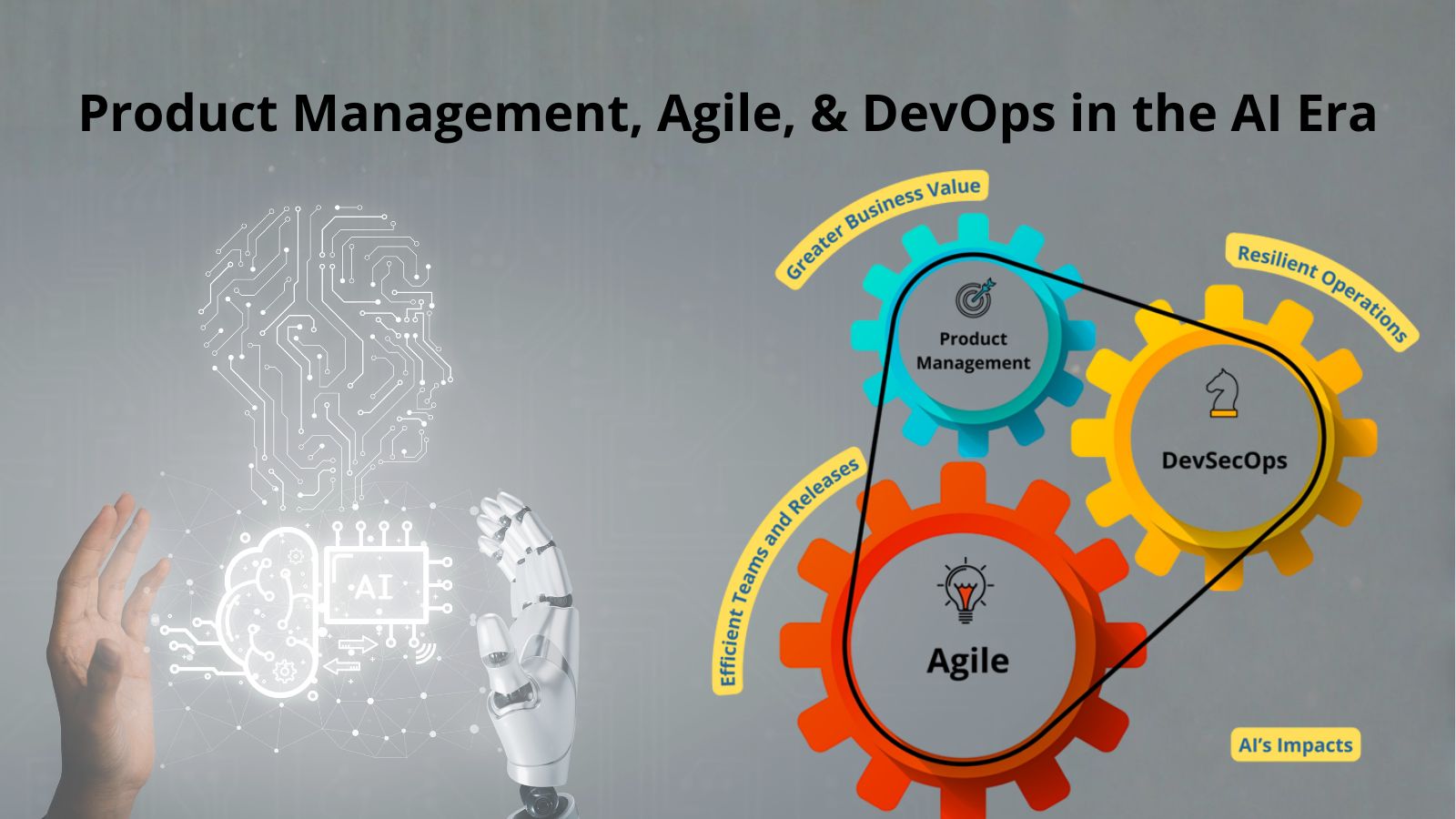
5 Important 2025 Articles on Product Management, Agile, and DevOps in the AI Era
AI is redefining IT, necessitating CIOs to update digital operating models focused on agile methodologies, product management, and DevOps. As businesses aim to enhance ROI and operational efficiency through AI, they must adapt to evolving expectations and implement strategies that embrace innovative delivery and smart leadership practices.
-

Seize Real Advantages: 7 Urgent Reasons to Revisit Agile for the AI Era
Organizations need to revisit their agile practices due to increased complexity and changing business expectations, exacerbated by AI advancements. Key issues include fragmented management, lack of user adoption, DevOps fatigue, excessive roles, inconsistent outcomes, and AI productivity not translating into business impact. Evolving agile approaches is essential for success in today’s landscape.
-
Under Fire! Provocative Lessons for CIOs to Transform IT in the AI Era
CIOs must adapt their digital operating model for this AI era. In the past week, major tech companies reported impressive revenue growth thanks to AI, yet significant job losses in white-collar sectors were noted as AI accelerates workforce changes. CIOs should be prioritizing an agile, product-focused approach while rethinking governance and collaboration across departments to…
-
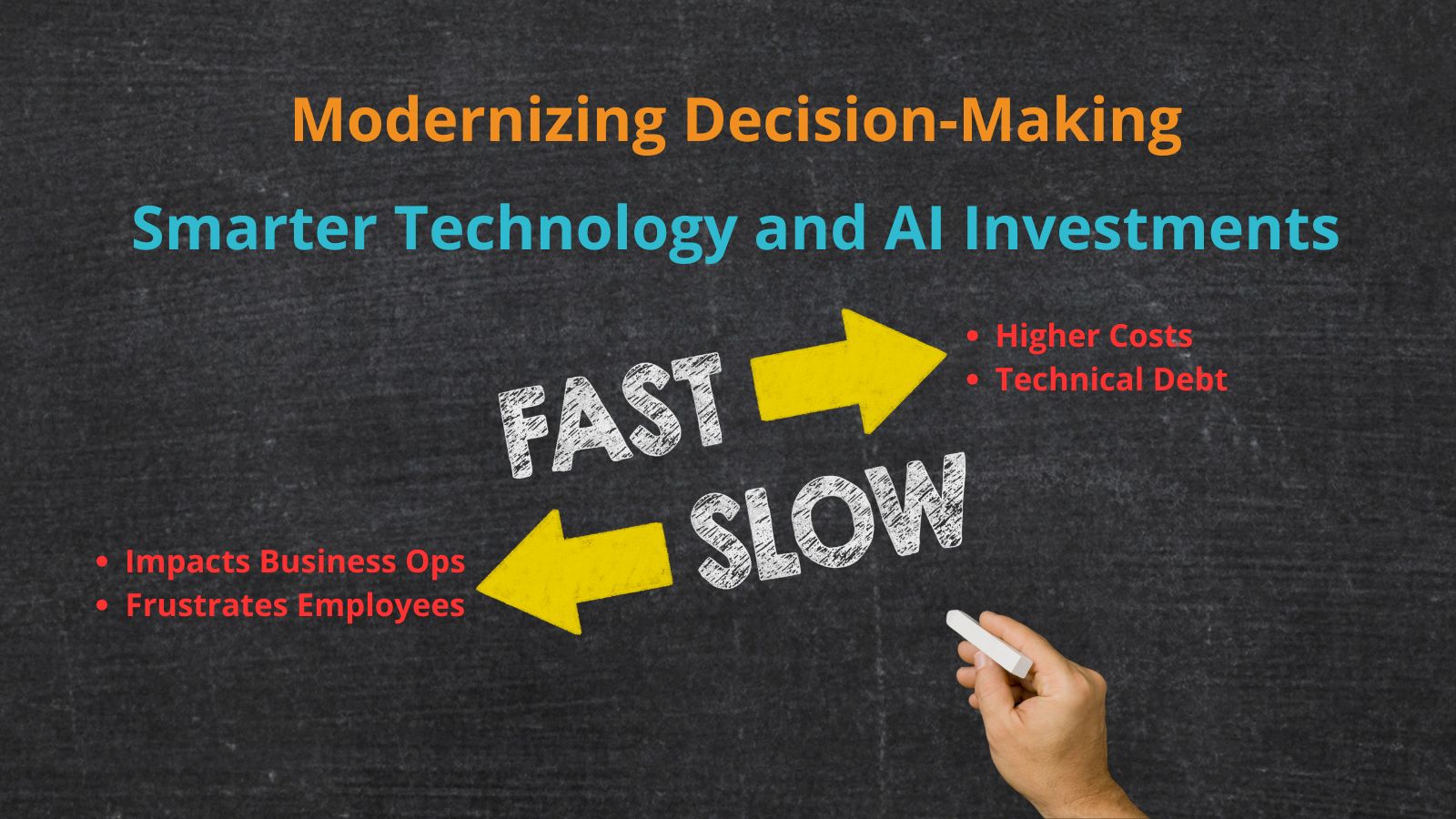
Modernizing How to Make Smarter Technology and AI Investments
Organizations need to reevaluate their technology and AI investment processes to avoid slow consensus or impulsive procurement. CIOs should focus on outcomes over features, ensuring alignment with business goals and security. Streamlining evaluation and procurement phases will aid effective technology selections, supporting agile testing and integration for transformative results.
-

How and Why to Create an Agile Risk Registry in Jira or Azure DevOps
Agile methodologies like Scrum enhance team focus on short-term priorities, but they lack a formal mechanism for discussing risks in releases. A risk registry can be vital for capturing and managing potential issues around project delivery and operational efficacy. Effective management of these risks can significantly improve agile outcomes across teams.
-
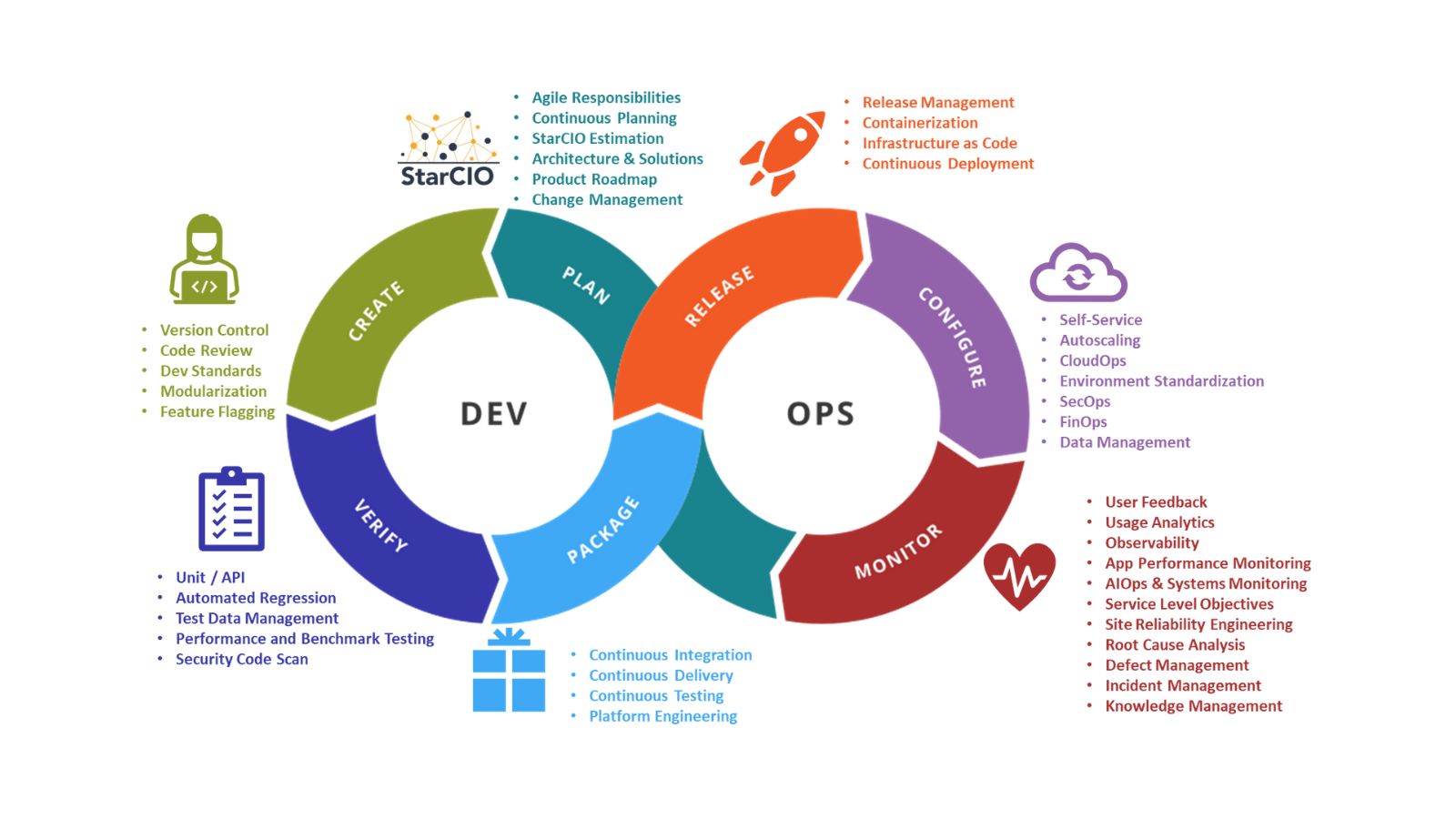
What Smart CIOs Know About DevOps That Everyone Else Misses
The evolving landscape of DevOps practices, requires CIOs to prioritize and clarity implementation objectives. It highlights the complexities introduced by various methodologies and the importance of striking a balance between necessary practices and overinvestment. Simplifying requirements and focusing on minimal viable practices can yield significant benefits for organizations.
-

How to Drive a Smarter, Innovative, and Predictable Agile Delivery Model
Many organizations struggle with evolving their agile delivery model, leading to missed deadlines and customer dissatisfaction. The key issue is teams rush into solving problems without proper planning. To improve, simplify the approach by developing a clear vision, fostering collaboration, and enhancing change management while avoiding jargon and rigid frameworks.
-

Agile Solution Architecture: How to Empower Debates, Resolve Disputes, and Make Decisions
One problem leads to many solutions, which can drive architects, DevOps, and data science teams to debate and dispute platforms and architectures.
-

3 Important Takeaways for Pioneering CIOs on the State of Agile
The 17th State of Agile report suggests where agile is delivering value and where CIOs and Digital Trailblazers must address to drive transformation.
-

12 Key Responsibilities of Business Analysts in Agile, Innovation, and DevSecOps
Business analysts are connectors and facilitators in agile, innovation, and DevSecOps. These 12 responsibilities are ideal for BAs.
-

Beware Technical Debt: How Bad Code Smells Like Rotten Cheese
What is tech debt? The code smells, like rotten cheese. Lessons for agile and DevOps Digital Trailblazers on prioritizing technical debt
-
Commit to Simple Agile Principles and Collaborate on Meaningful Self-Organizing Standards
Define your organization’s agile way of working by collaborating on principles and self-organizing standards. With 15+ example agile principles.