

Category: Innovation, Product Management
-

Twenty-Five Years Later: My 9/11 Story
In this reflective account, Isaac Sacolick recounts his experience during the 9/11 attacks, blending personal narrative with professional urgency. He details his journey to a merger meeting, interrupted by news of the World Trade Center collapse. Amidst confusion and panic, thoughts of colleagues and loved ones surface, revealing the day’s profound impact on his life.
-
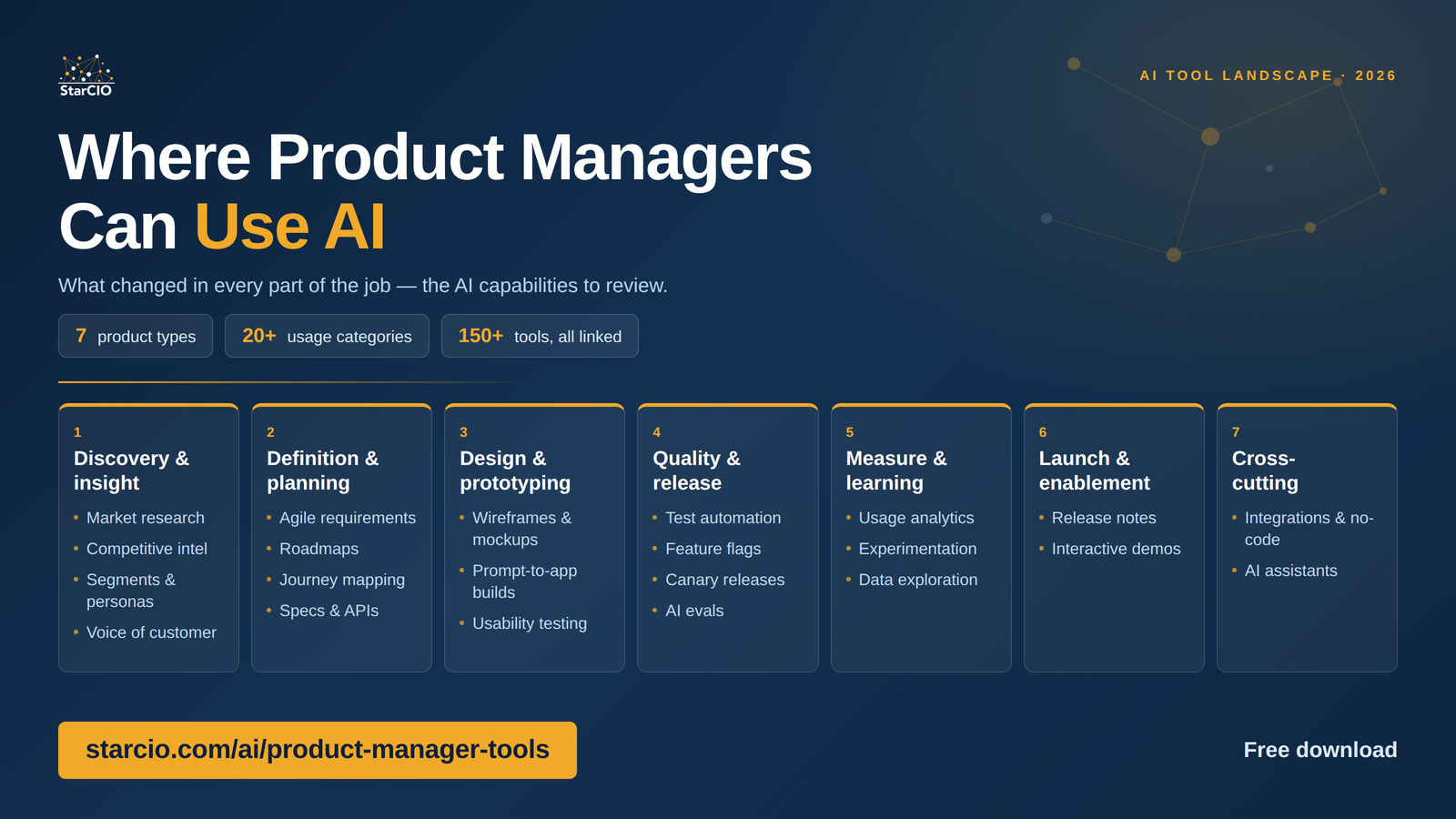
150+ AI Tools for Agile Product Managers
A research study revealed over 150 AI tools for product leaders.A I is reshaping the roles of agile product managers and owners, pushing them towards customer-centric tasks while leveraging AI tools for efficiency. Examples include enhanced prototyping with AI coding harnesses. For effective use, integrating AI with a clear operational purpose is crucial.
-

10 Signs of the AI Bubble Bursting and 7 Ways CIOs Should Prepare For It
The potential for an AI bubble to burst raises critical questions for CIOs on their AI strategy. While some deliver AI business value, many struggle with ROI and governance. 7 recommendations for CIOs include addressing detractors, catching up on AI governance, and addressing AI debt.
-
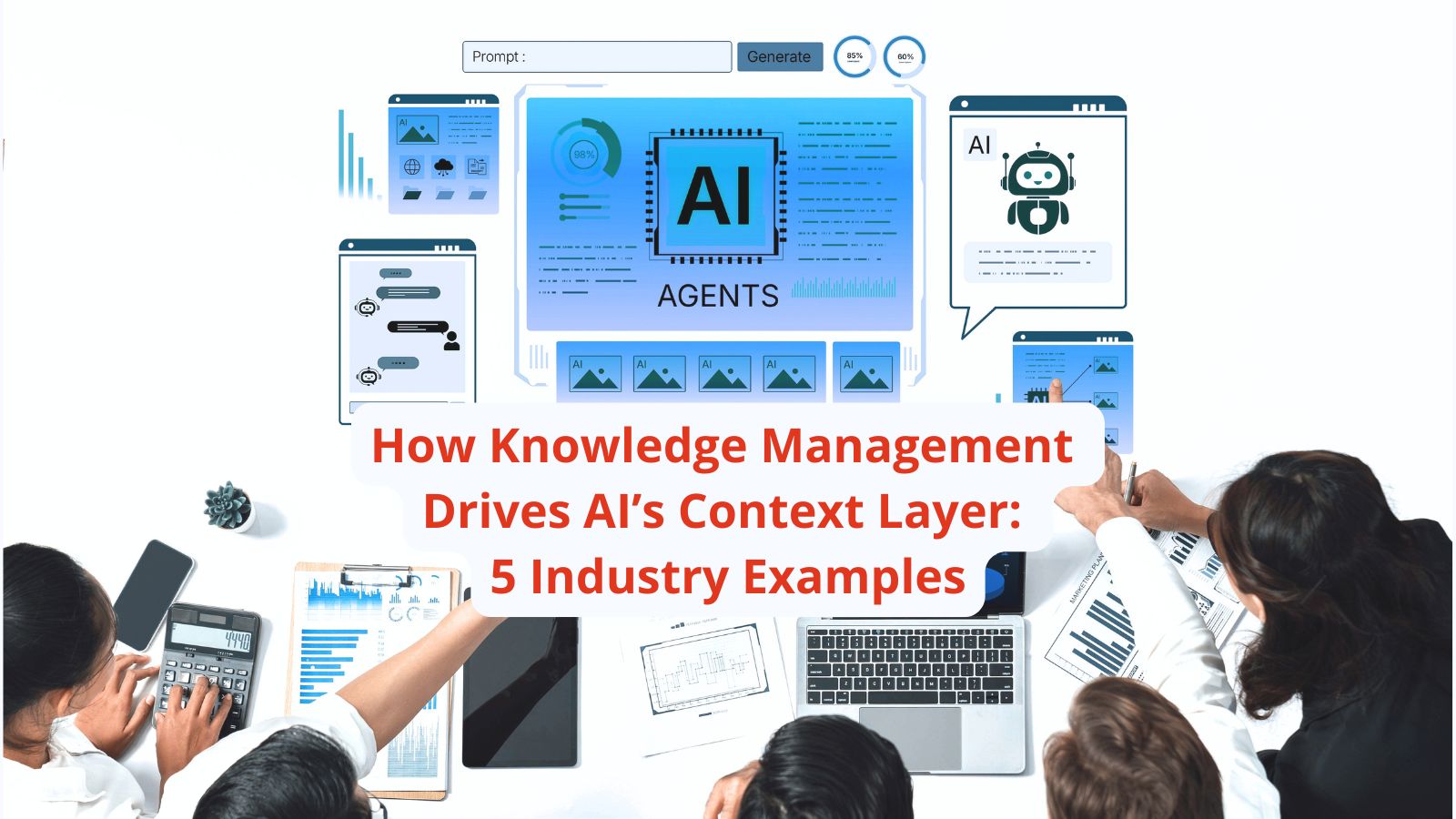
How Knowledge Management Drives AI’s Context Layer: 5 Industry Examples
Knowledge management is a key process for developing the AI’s context layer. The article explores opportunities and challenges in five industries: healthcare, financial services, construction, manufacturing, and higher ed. Common challenges include change management, executive alignment, data integration, and data governance. Opportunities include faster time-to-decision, improved CX, and enabling agentic AI operations.
-

Technology Selections in the AI Era: 7 Criteria to Evaluate a Vendor’s Ecosystem
Organizations struggle with technology selection in the AI era, often facing integration issues or overanalyzing criteria. Misjudging value and risk can lead to AI debt. Evaluating technology must focus on value, risk, and ecosystem, considering factors like data portability, integration capabilities, community sentiment, and leadership accessibility to ensure long-term success.
-

AI Companies Bet on Subscriptions: Many Will Repeat SaaS’s Worst Mistakes
SaaS and AI companies increasingly adopt subscription models, often incorporating usage-based pricing. While these models can be beneficial, success relies on delivering real value and aligning pricing with actual usage. Continuous customer support and reducing friction are crucial for retaining customers and driving ongoing engagement in subscription-based businesses.
-

Scoring AI ROI in Customer Experience: What CIOs Need to Know
CIOs are missing significant ROI opportunities in customer experience, particularly in contact centers, which require attention beyond just infrastructure. Engaging with call center agents and analyzing KPIs can uncover areas for improvement. AI innovations from Verint have demonstrated substantial financial benefits, enhancing efficiency and customer satisfaction. Emphasizing AI in contact centers presents a valuable opportunity…
-
5 Essential Questions for CIOs on Planning IT Careers in the AI Era
The rise of AI in IT roles is causing concern among employees about job security and their future IT careers. While CIOs are improving employee skills and career development, a structured career planning approach is lacking. AI is transforming roles, necessitating a focus on new skills and leadership capabilities for future growth.
-
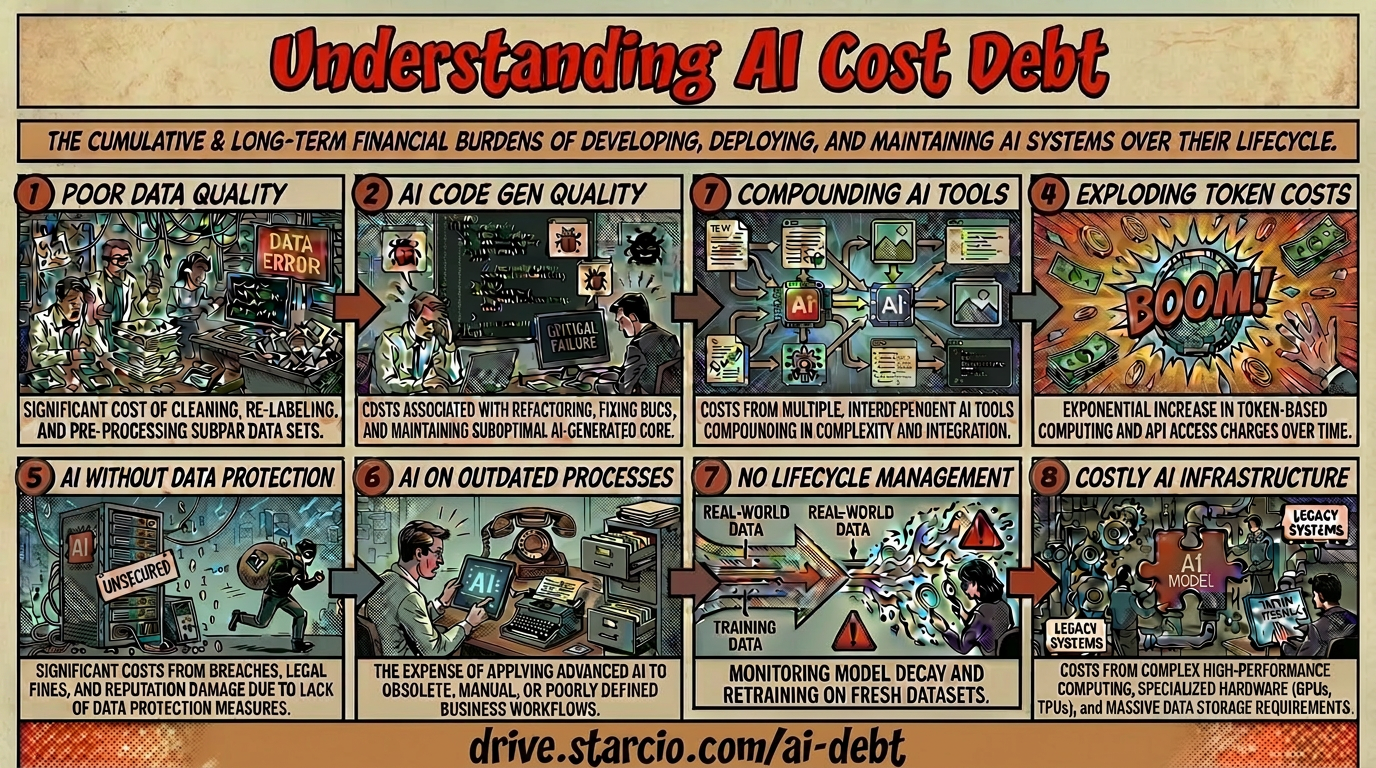
AI Cost Debt Is Real. Here’s How FinOps Helps CIOs Avoid It
AI Cost Debt is a major concern for CIOs. Isaac Sacolick shares eight AI cost issues and how to avoid them. He compares rapid AI experimentation to early cloud adoption, stressing the need for improved AI FinOps. AI cost debts include data quality, model performance, tool sprawl, and lifecycle management.
-

Agile Organizations in the AI Era: What CIOs Need to Know
The evolution of agile organizations is now significantly influenced by A, Iproduct management capabilities, and streamlined DevOps metrics.. Atlassian’s recent conference highlighted their AI capabilities, product management platform, and DevOps KPIs – enabling collaboration and measurement tools that enhance agile processes. Key metrics like AI effectiveness and Agent experience are crucial for transforming collaboration.
-

Marketing in the AI Era: What CIOs Need to Know
AI is revolutionizing marketing for both B2B and B2C brands, presenting CIOs with unique opportunities to collaborate with CMOs. Key innovations include Adobe’s CX Enterprise, which integrates AI for scaling marketing, enhances collaborative design through AI agents, and introduces conversational interfaces in customer experience. CIOs must embrace this transformative potential.
-
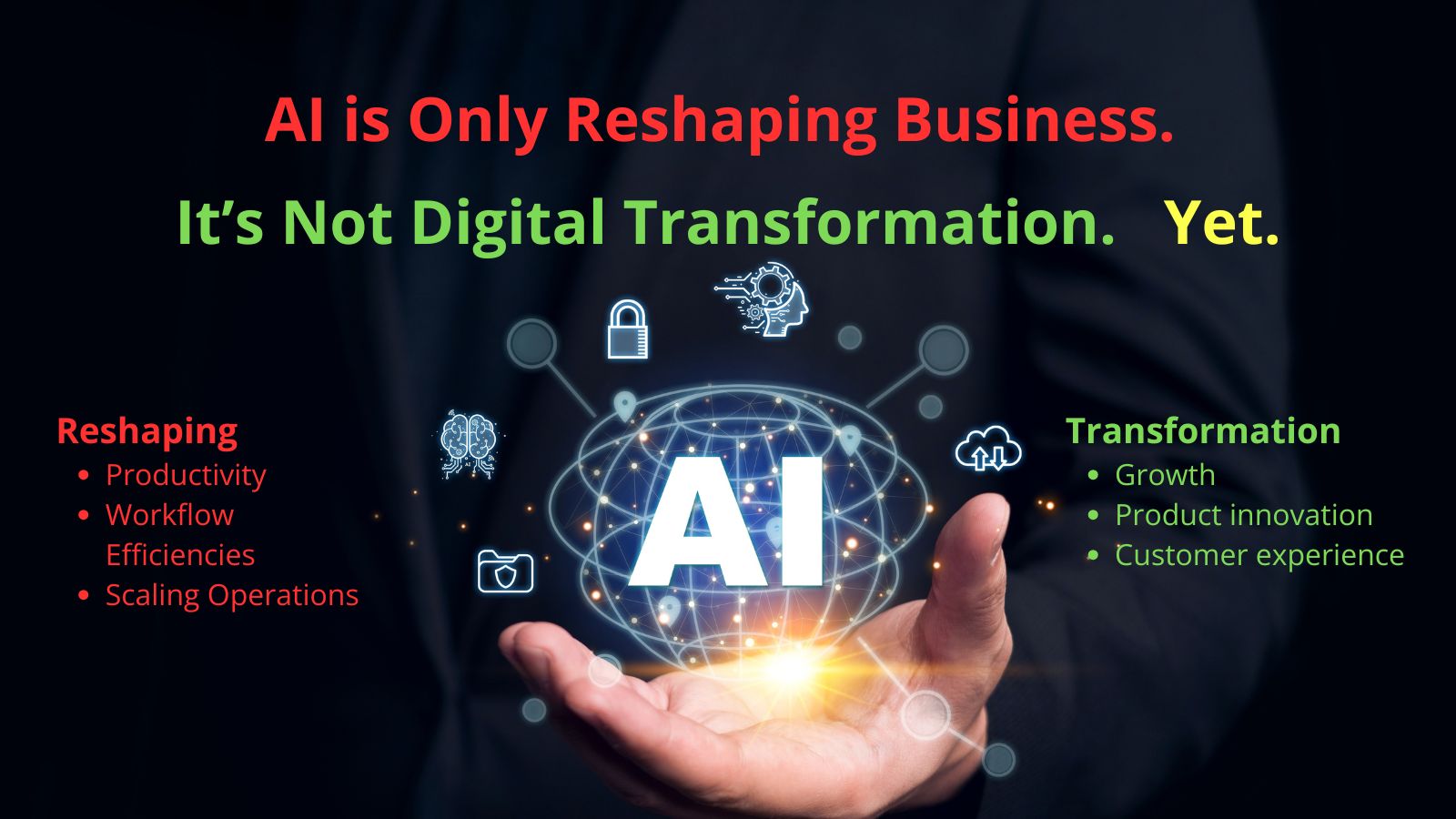
AI is Only Reshaping Business. It’s Not Digital Transformation. Yet.
There’s a disconnect between AI’s potential and its actual impact on digital transformation in businesses. Although AI is enhancing operations and customer support, it falls short of driving comprehensive transformation. CIOs face challenges in implementing AI for growth due to executive consensus, risk assessment concerns, and the focus on short-term ROI over long-term strategy.