

Category: Infosec
-
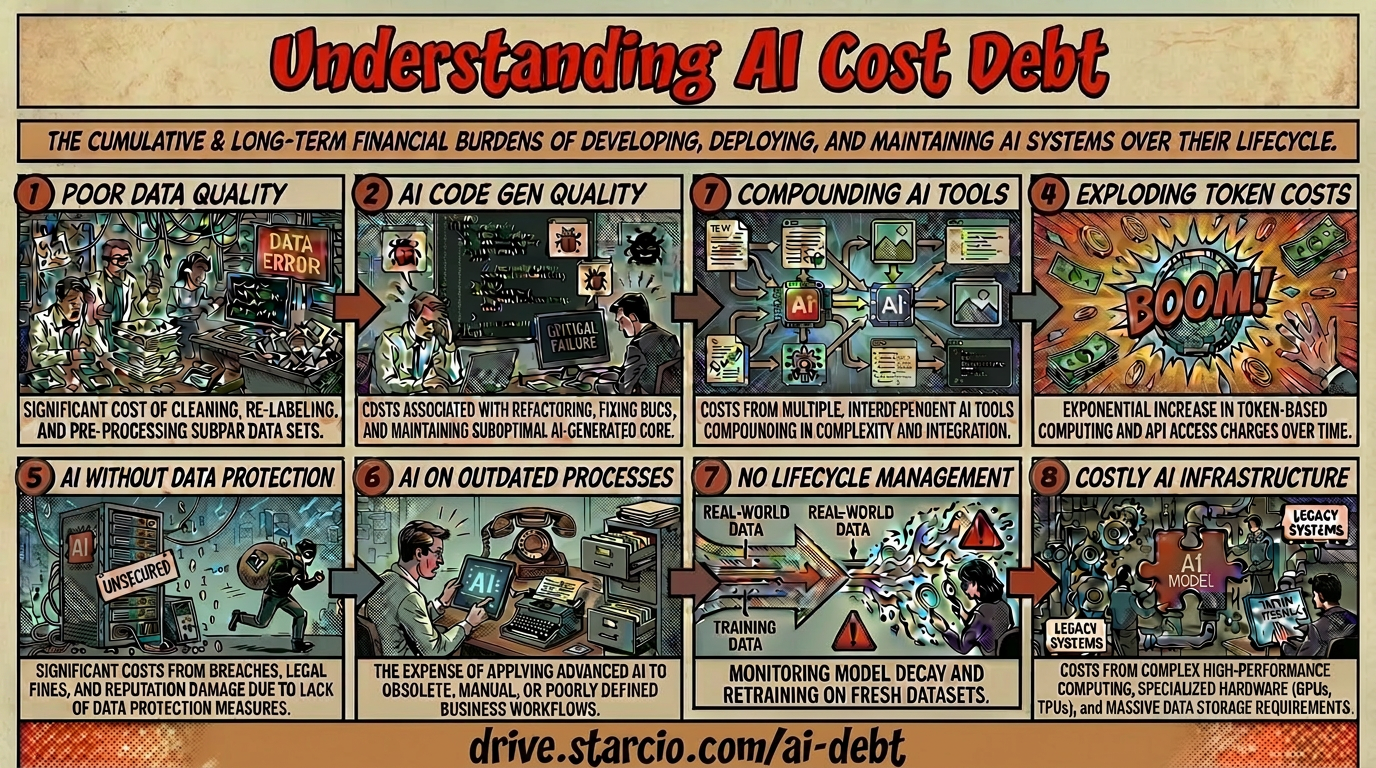
AI Cost Debt Is Real. Here’s How FinOps Helps CIOs Avoid It
AI Cost Debt is a major concern for CIOs. Isaac Sacolick shares eight AI cost issues and how to avoid them. He compares rapid AI experimentation to early cloud adoption, stressing the need for improved AI FinOps. AI cost debts include data quality, model performance, tool sprawl, and lifecycle management.
-

Hybrid Clouds in the AI Era: What CIOs Need to Know
CIOs increasingly support hybrid clouds for cost optimization, performance, and data sovereignty. The article emphasizes using genAI for efficient multicloud management through standardization and operational strategies. Nutanix’s offerings, including hybrid database services and AI capabilities, simplify infrastructure management, enhance employee experience, and provide scalability across multiple environments, demonstrating long-term benefits for enterprises.
-
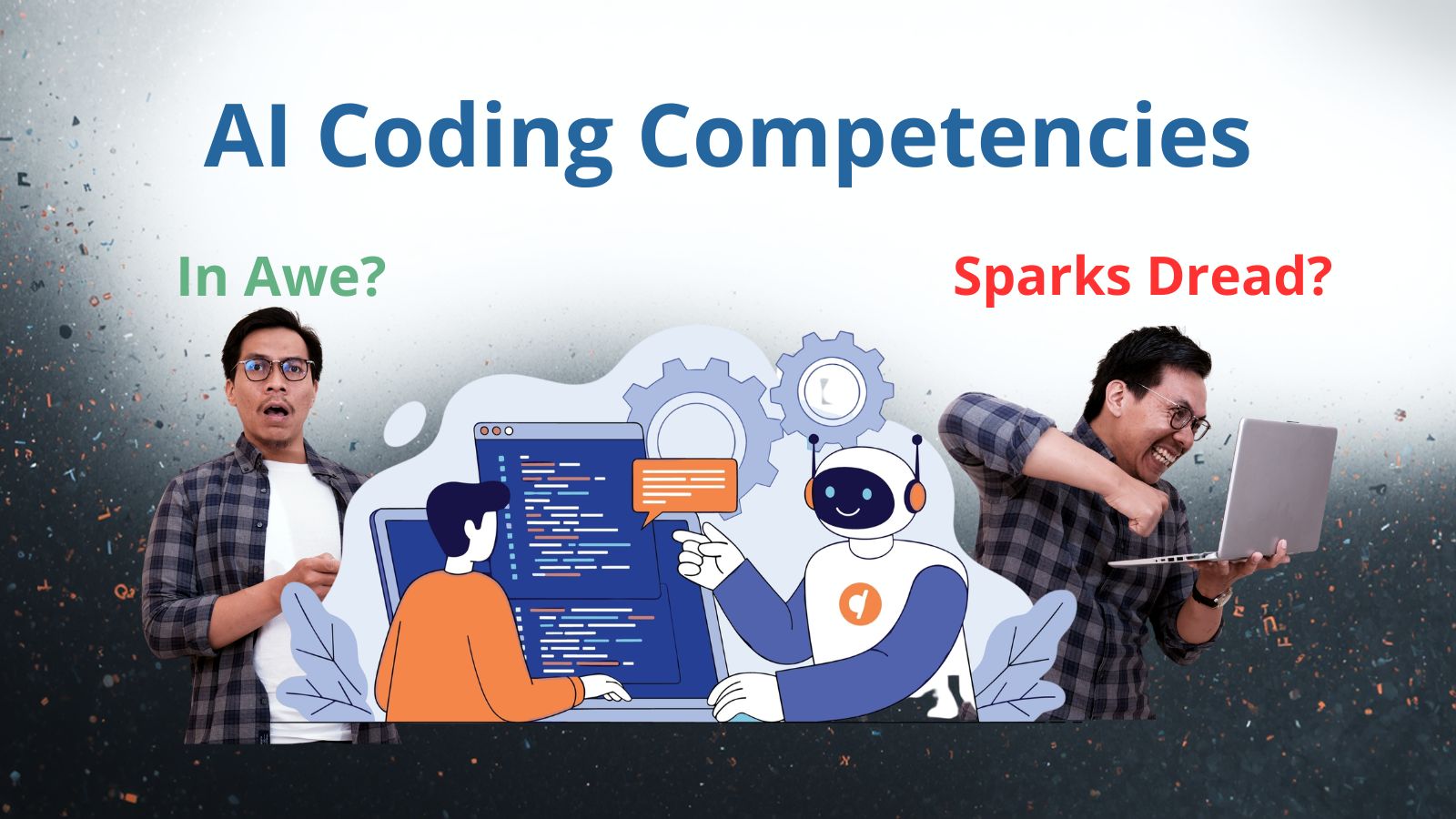
AI Coding Competencies: What Inspires Awe — and 5 Ways They Spark Dread
The rise of AI in coding has sparked awe and concern among developers. While AI tools like Claude and Codex enhance coding efficiency, experts fear issues such as trust in AI-generated code, security risks, and potential loss of coding discipline. Ultimately, developers must ensure rigorous reviews to mitigate these risks.
-
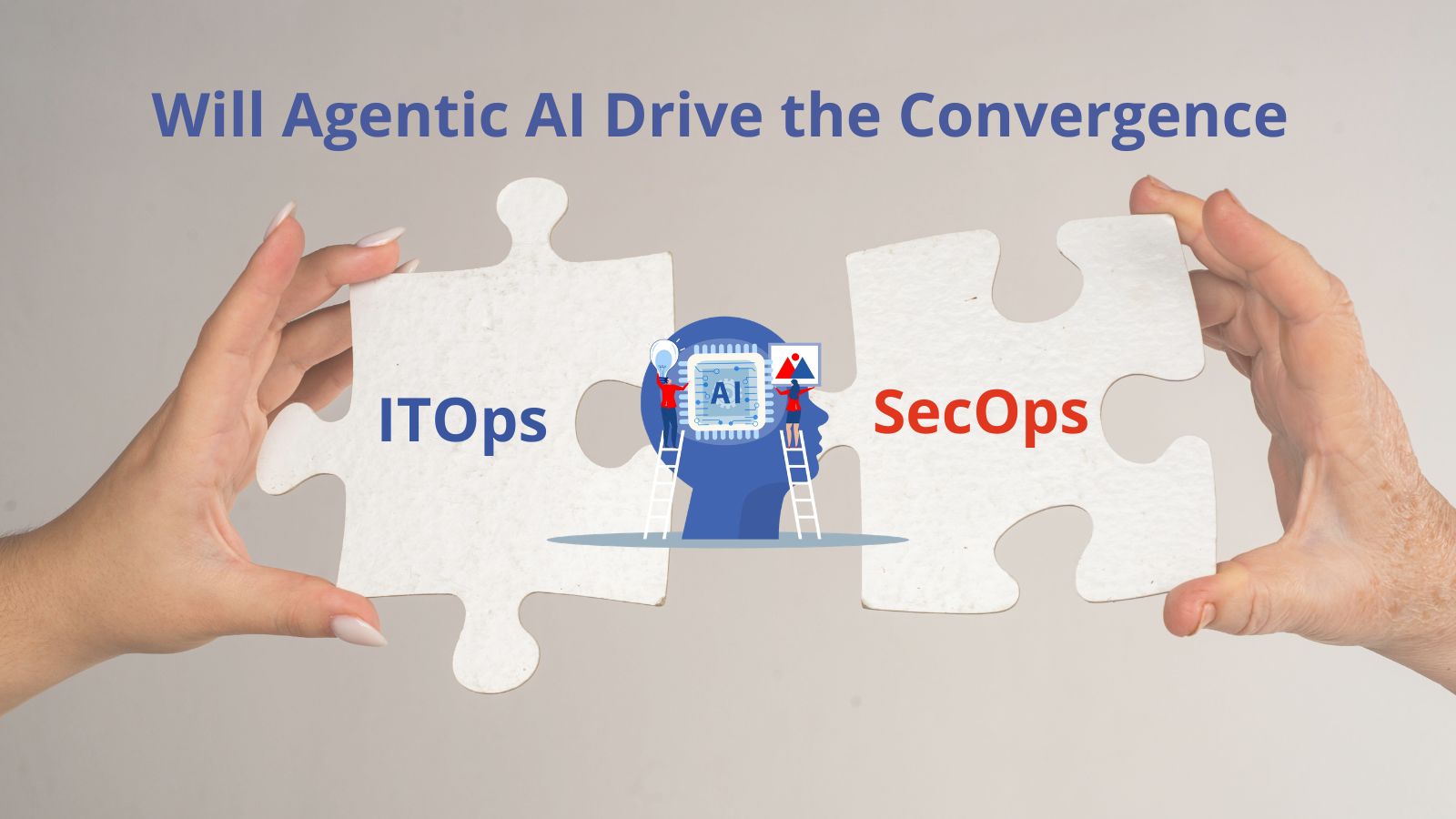
Will Agentic AI Drive the Convergence of ITOps and SecOps
Sacolick discusses the evolving convergence of IT Operations (ITOps) and Security Operations (SecOps) driven by AI capabilities. While leaders emphasize the need for unified tools and data, significant organizational differences remain. Successful integration could enhance operational efficiency and security, but achieving true convergence poses challenges, necessitating strong leadership and strategic alignment.
-

4 Ways to Boost Entry-Level Talent in the Gen AI Era
The rise of generative AI is leading organizations to reduce entry-level positions, potentially creating a talent shortage. Studies indicate a significant decline in opportunities for early-career workers. Experts suggest redefining roles, fostering AI literacy, implementing apprenticeships, and developing specialized training to maintain a robust talent pipeline in the evolving job landscape.
-
Data Privacy Week Is Over. Now Comes Leadership Accountability
Data Privacy Week highlighted the urgent need for organizations to prioritize data privacy, security, and governance, especially as AI adoption grows. Significant breaches and increasing lawsuits underscore this urgency. Executives must recognize that data safety is a collective responsibility, requiring cross-departmental collaboration and proactive measures to mitigate risks and enhance customer trust.
-
50+ Expert Predictions: Ways to Drive Agentic AI, Data Governance, and Security in 2026
50+ experts, including 15 CEOs and 10 CIO/CTOs shared their agentic AI predictions for 2026. Expect CX, AI Security, data governance, and leadership to be major drivers of reshaping businesses – but only a few companies will truly transform.
-

3 Breakthrough Capabilities Uniting IT Ops, SecOps, and Data Governance
IT Ops, SecOps, and data governance teams face challenges as AI integration accelerates. At recent conferences, Collibra showcased data catalogs as centralized products, Tanium introduced zero-trust admin access with Jump Gate, and Commvault emphasized seamless multicloud recoveries. These innovations promote collaboration, address operational gaps, and enhance organizational resilience.
-

Courage to Adapt: The 20+ Leadership Hats CIOs, CISOs, and CDOs Wear
CIOs, CISOs, and CDOs must embody over 20+ distinct leadership roles to effectively adapt to varying scenarios. This includes responsibilities as visionary leaders, problem solvers, and crisis managers. Successful C-leaders develop situational awareness, balancing innovation with team support, and continuously navigating complex challenges in technology and organizational dynamics.
-
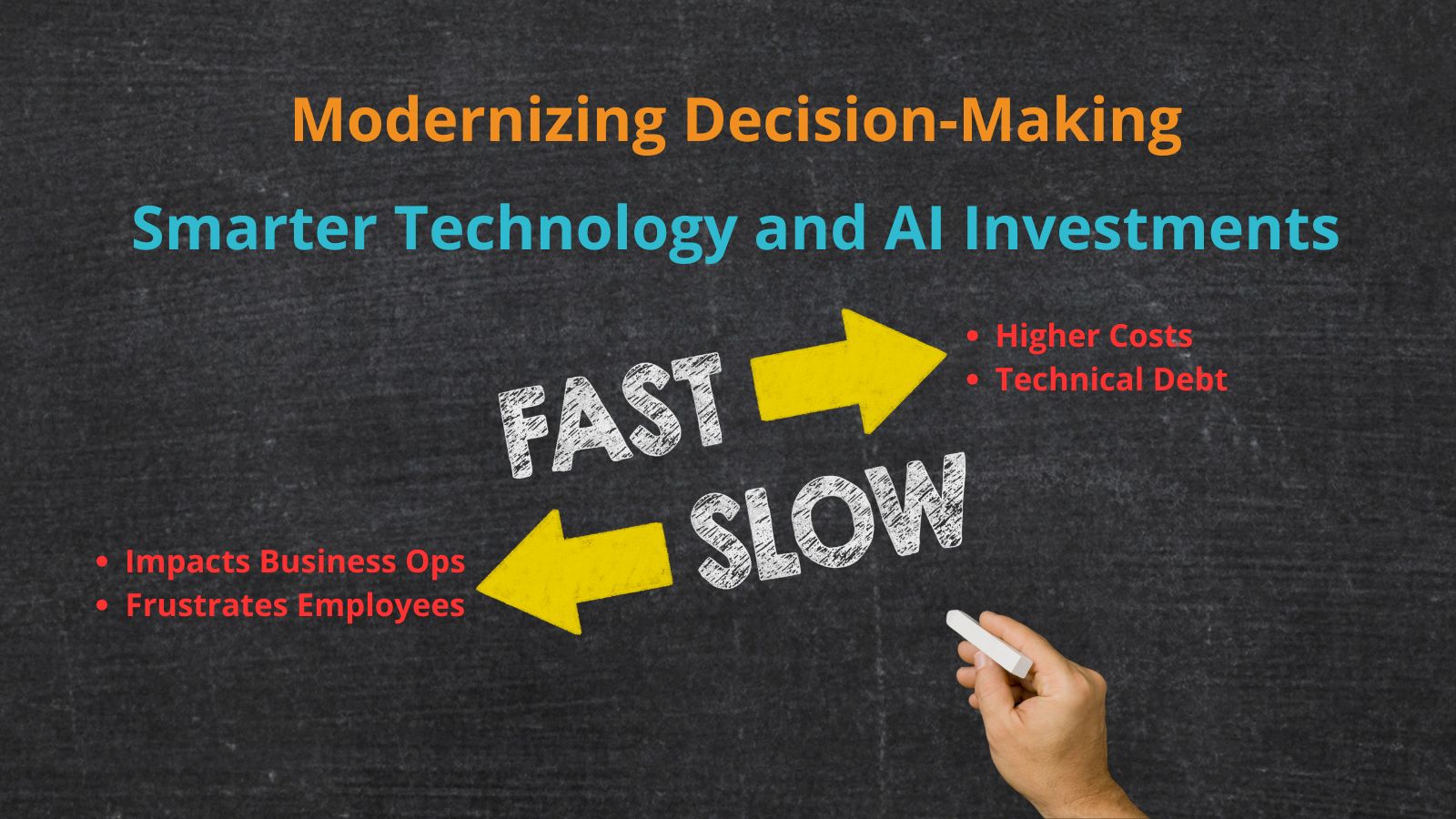
Modernizing How to Make Smarter Technology and AI Investments
Organizations need to reevaluate their technology and AI investment processes to avoid slow consensus or impulsive procurement. CIOs should focus on outcomes over features, ensuring alignment with business goals and security. Streamlining evaluation and procurement phases will aid effective technology selections, supporting agile testing and integration for transformative results.
-
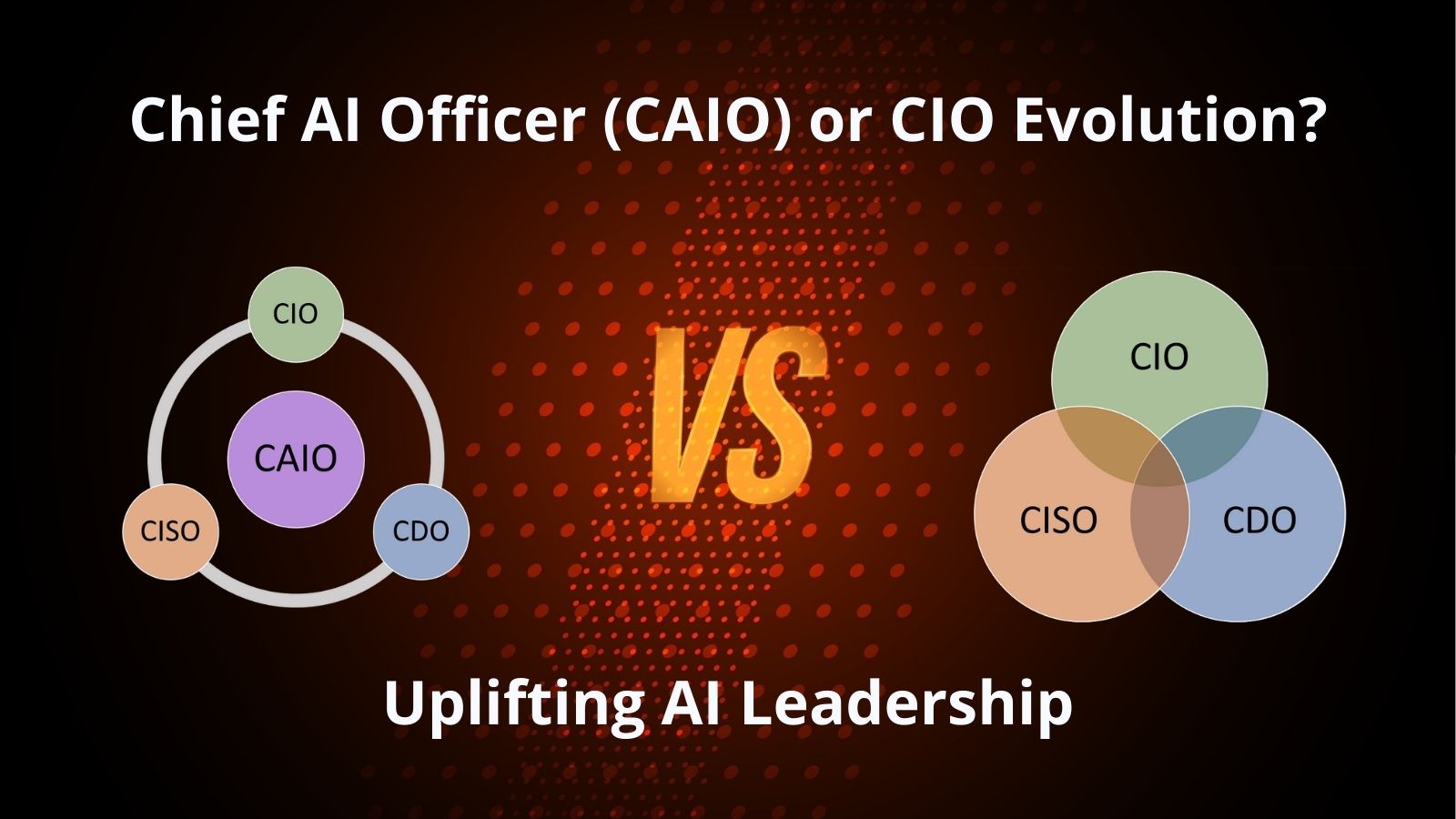
Chief AI Officer (CAIO) or CIO Evolution? Uplifting AI Leadership
Do organizations need a chief AI officer (CAIO)?, or should CIO, CDO, and CISO handle AI strategy? The CIO’s role in leading AI initiatives, promotes collaboration among C-level leaders, including the CDO and CISO, and adding CAIOs may complicate decision-making. Experts offer differing views on the necessity of CAIOs.
-
10 Important Data Management Questions for CIOs in the GenAI Era
Navigating the complex landscape of data management platforms is increasingly challenging, with numerous solutions for pipeline monitoring, data governance, and AI integration. Experts emphasize the need for automation, robust governance, and trust in data to ensure efficiency and mitigate risks. CIOs must prioritize these areas to optimize data utilization and AI applications.