Category: DevSecOps, SDLC, IT Ops
-
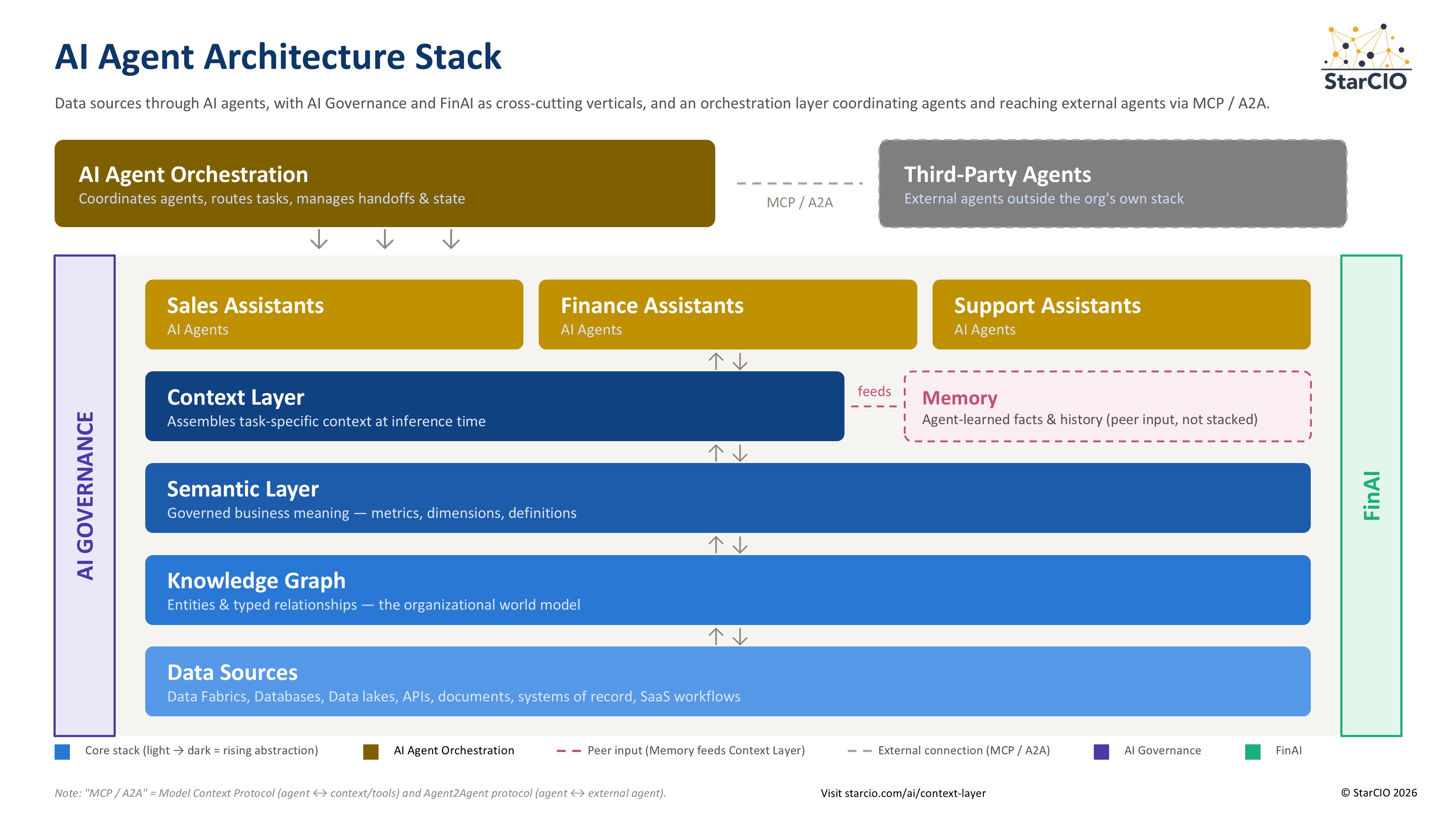
Building the AI Agent’s Brain: Knowledge Graphs vs. Semantic Layer vs. Context Layer
Confused by the jargon on the context layer surrounding the AI agent’s brain? What’ the diffeence between knowledge graphs, the semantic layer, and and the context later? What AI governance is required, and how can organizations develop the AI brain iteratively?
-

Technology Selections in the AI Era: 7 Criteria to Evaluate a Vendor’s Ecosystem
Organizations struggle with technology selection in the AI era, often facing integration issues or overanalyzing criteria. Misjudging value and risk can lead to AI debt. Evaluating technology must focus on value, risk, and ecosystem, considering factors like data portability, integration capabilities, community sentiment, and leadership accessibility to ensure long-term success.
-
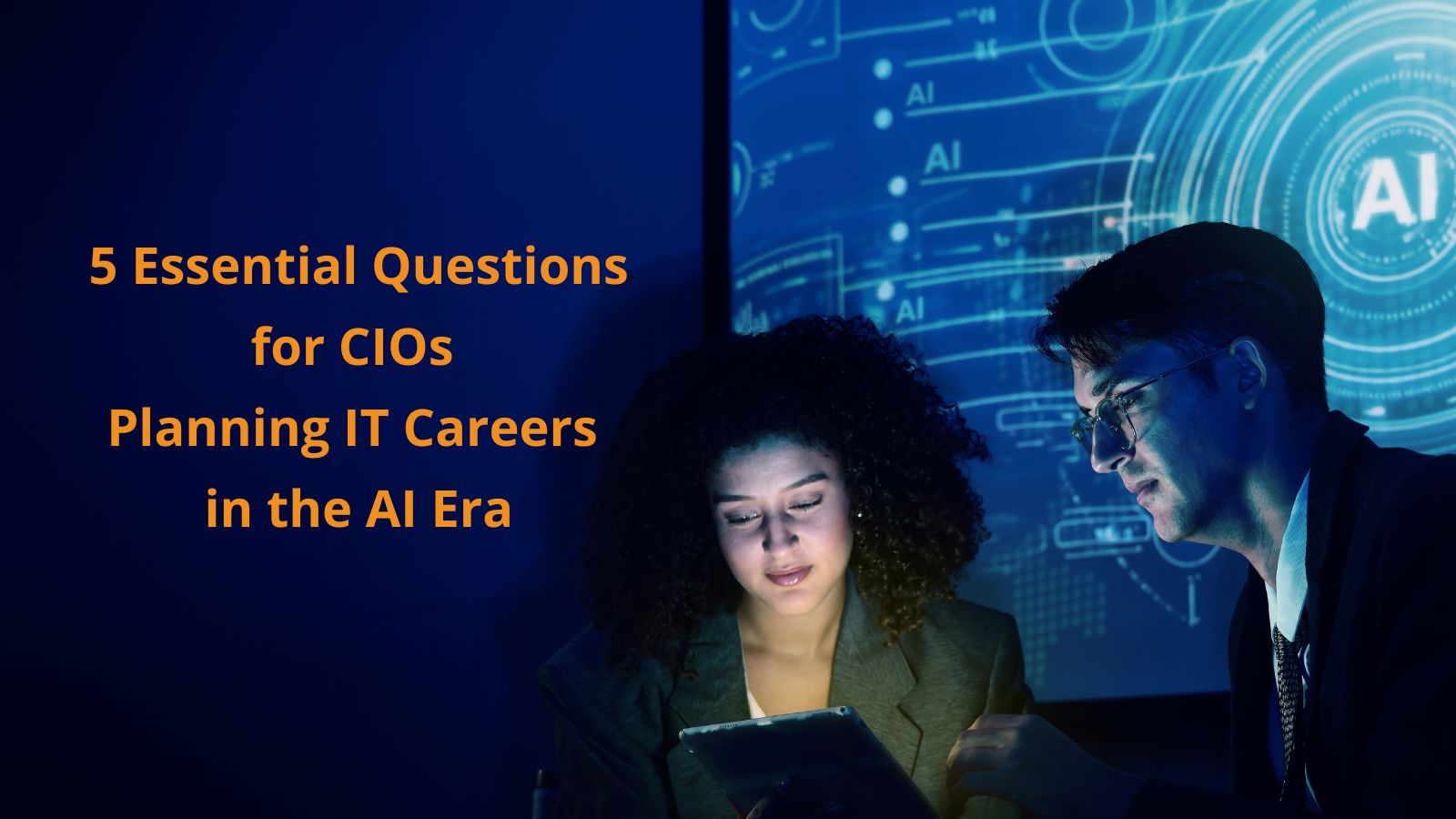
5 Essential Questions for CIOs on Planning IT Careers in the AI Era
The rise of AI in IT roles is causing concern among employees about job security and their future IT careers. While CIOs are improving employee skills and career development, a structured career planning approach is lacking. AI is transforming roles, necessitating a focus on new skills and leadership capabilities for future growth.
-
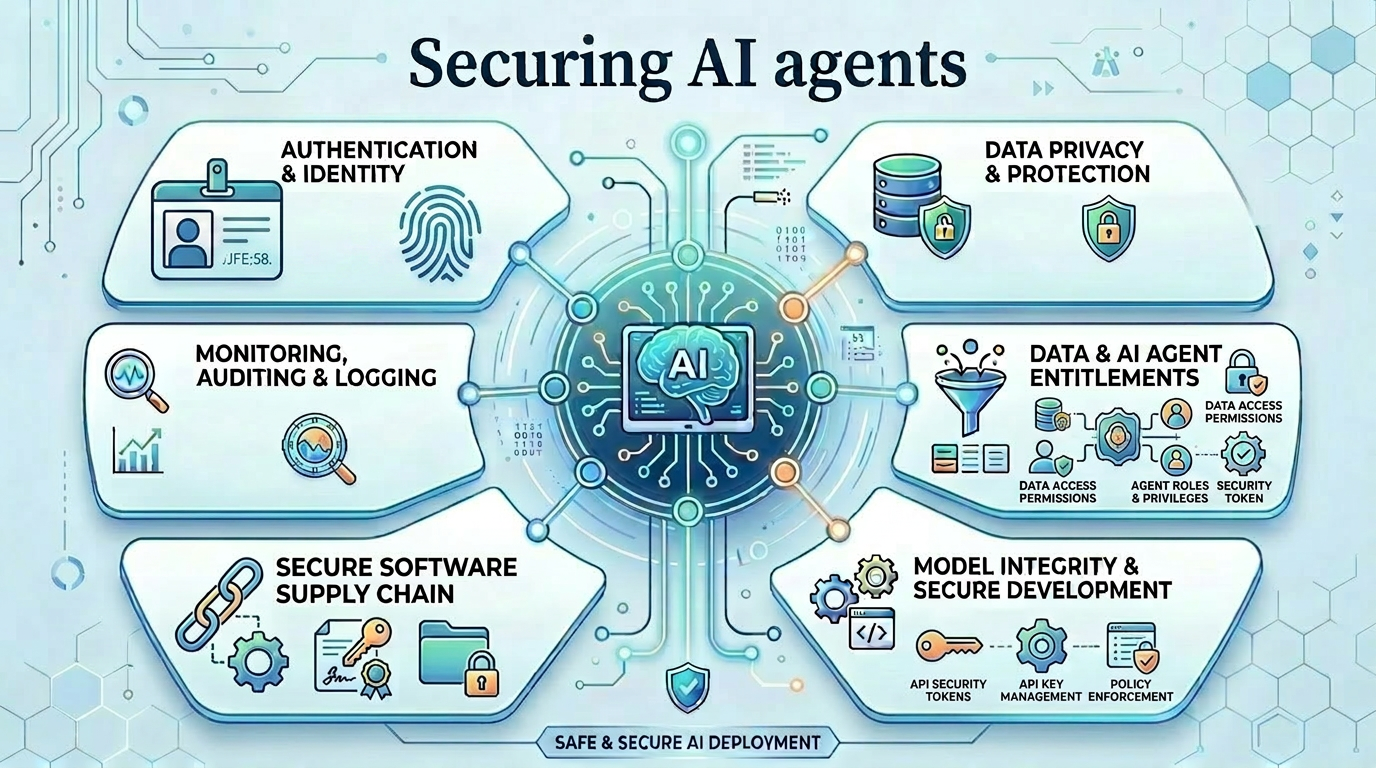
6 Key Requirements for Securing AI Agents Before the POC
At a recent Coffee With Digital Trailblazers episode, we emphasized essential security measures for AI agents, urging organizations to adopt a security-by-design approach. Key recommendations include creating distinct identities for AI agents, enforcing least-privilege access, maintaining strong data governance, and implementing robust observability to monitor AI performance and prevent risks associated with autonomy.
-
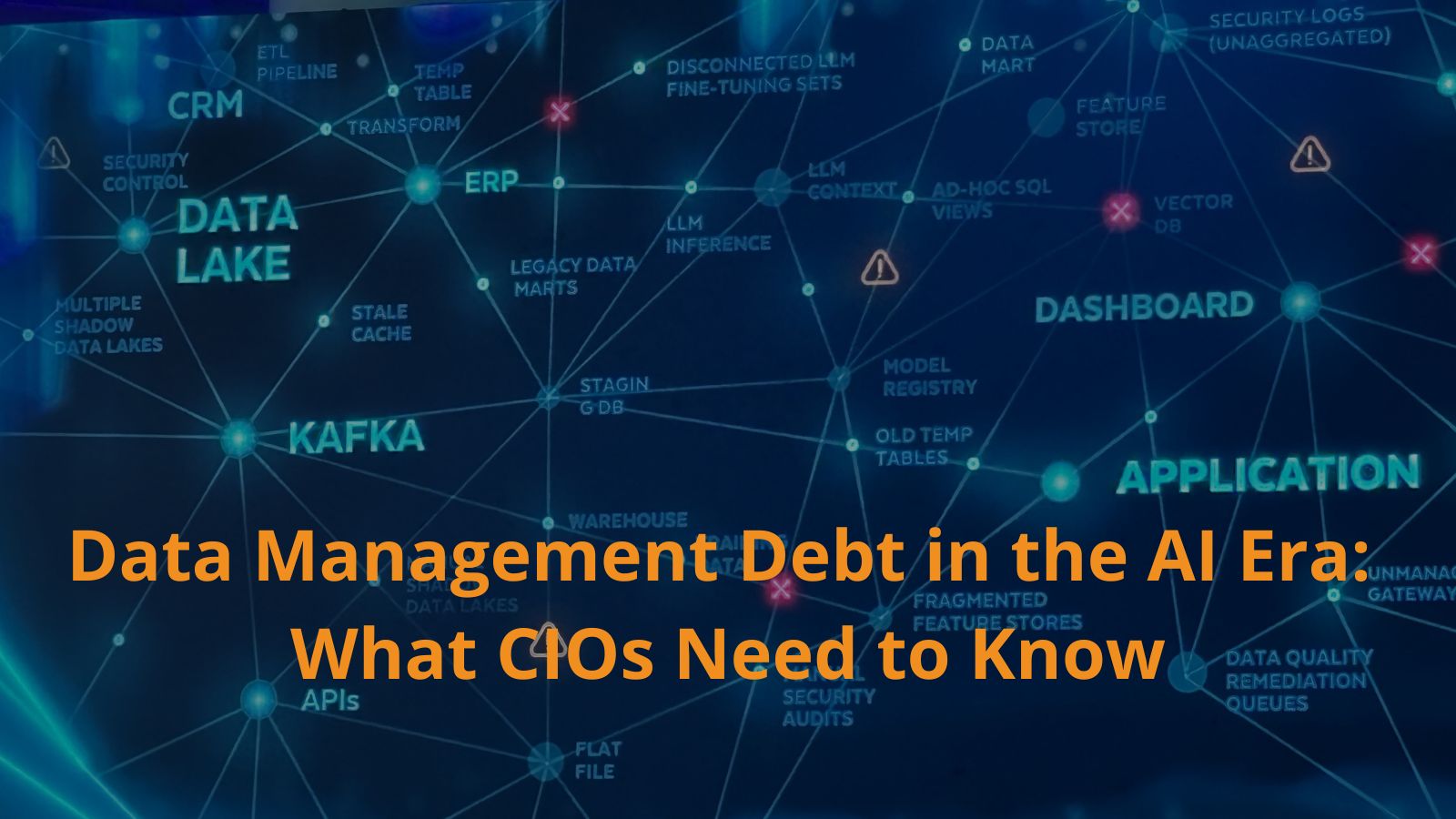
Data Management Debt in the AI Era: What CIOs Need to Know
CIOs in large enterprises and SMBs face significant data management issues, often referred to as data management debt, which complicates AI initiatives. Poor data governance and reliance on various tools hinder productivity. Snowflake offers solutions such as CoCo for data builders and CoWork for knowledge workers, aiming to streamline data handling and promote centralized data…
-
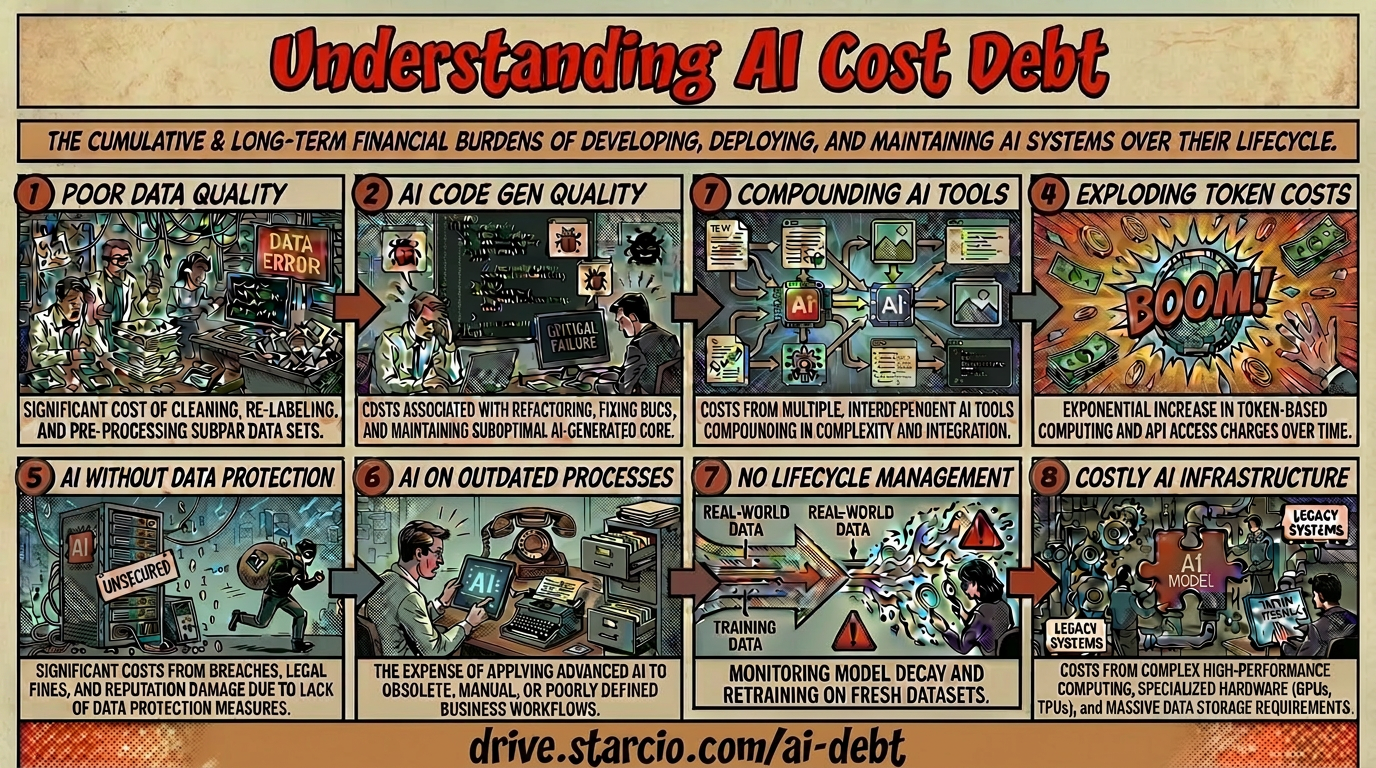
AI Cost Debt Is Real. Here’s How FinOps Helps CIOs Avoid It
AI Cost Debt is a major concern for CIOs. Isaac Sacolick shares eight AI cost issues and how to avoid them. He compares rapid AI experimentation to early cloud adoption, stressing the need for improved AI FinOps. AI cost debts include data quality, model performance, tool sprawl, and lifecycle management.
-

Low-Code Development in the AI Era: What CIOs Need to Know
Isaac Sacolick’s experiences with low-code and no-code development as a CTO and CIO, emphasizing their role in empowering citizen developers in the AI era. Highlighting Quickbase’s new AI capabilities and tools like Pave, Isaac advocates for integrating these solutions to streamline operations, enhance efficiency, and connect field and back-office functions effectively.
-

The Autonomous Enterprise in the AI Era: What CIOs Need to Know
Can AI agents form the basis of the autonomous enterprise? SAP’s vision for the autonomous enterprise features role-based “assistants” to augment employee capabilities. New announcements include Joule Studio 2.0, AI governance capabilities, and AI industry solutions. SAP shared AI Agent Hub, open spec-driven development, and continuous monitoring for effective AI adoptions and development.
-
Critical Process Management in the AI Era: What CIOs Need to Know
Matthew Calkins, CEO of Appian, advocates for a pragmatic approach to integrating AI in mission-critical processes, emphasizing risk management and defined workflows. He warns against fully autonomous AI in regulated industries. A spec-driven development framework that encourages collaboration and minimizes errors, enhances the overall effectiveness of AI applications.
-

The Future of Work: Here Come the AI-Enabled Devices
AI-enabled devices are transforming work experiences by enhancing user interactions and simplifying IT functions. Emerging technologies like Cisco’s Room Kit Pro G2 and Logitech’s Rally AI Camera exemplify advances in usability and performance. As AI capabilities improve, the focus is on creating devices that foster seamless communication and collaboration in diverse environments.
-

Hybrid Clouds in the AI Era: What CIOs Need to Know
CIOs increasingly support hybrid clouds for cost optimization, performance, and data sovereignty. The article emphasizes using genAI for efficient multicloud management through standardization and operational strategies. Nutanix’s offerings, including hybrid database services and AI capabilities, simplify infrastructure management, enhance employee experience, and provide scalability across multiple environments, demonstrating long-term benefits for enterprises.
-
How to Deliver Bad News to Executives? An IT Leader’s Communication Playbook
Delivering bad news to executives is a critical leadership skill often mishandled in business. Effective communication involves knowing the audience, clearly presenting the facts, and focusing on the impact rather than technical details. Preparing a structured approach can build trust and facilitate smoother problem-solving during crises.