Category: Innovation, Vision, Product Strategy
-

10 Signs of the AI Bubble Bursting and 7 Ways CIOs Should Prepare For It
The potential for an AI bubble to burst raises critical questions for CIOs on their AI strategy. While some deliver AI business value, many struggle with ROI and governance. 7 recommendations for CIOs include addressing detractors, catching up on AI governance, and addressing AI debt.
-

Technology Selections in the AI Era: 7 Criteria to Evaluate a Vendor’s Ecosystem
Organizations struggle with technology selection in the AI era, often facing integration issues or overanalyzing criteria. Misjudging value and risk can lead to AI debt. Evaluating technology must focus on value, risk, and ecosystem, considering factors like data portability, integration capabilities, community sentiment, and leadership accessibility to ensure long-term success.
-

AI Companies Bet on Subscriptions: Many Will Repeat SaaS’s Worst Mistakes
SaaS and AI companies increasingly adopt subscription models, often incorporating usage-based pricing. While these models can be beneficial, success relies on delivering real value and aligning pricing with actual usage. Continuous customer support and reducing friction are crucial for retaining customers and driving ongoing engagement in subscription-based businesses.
-
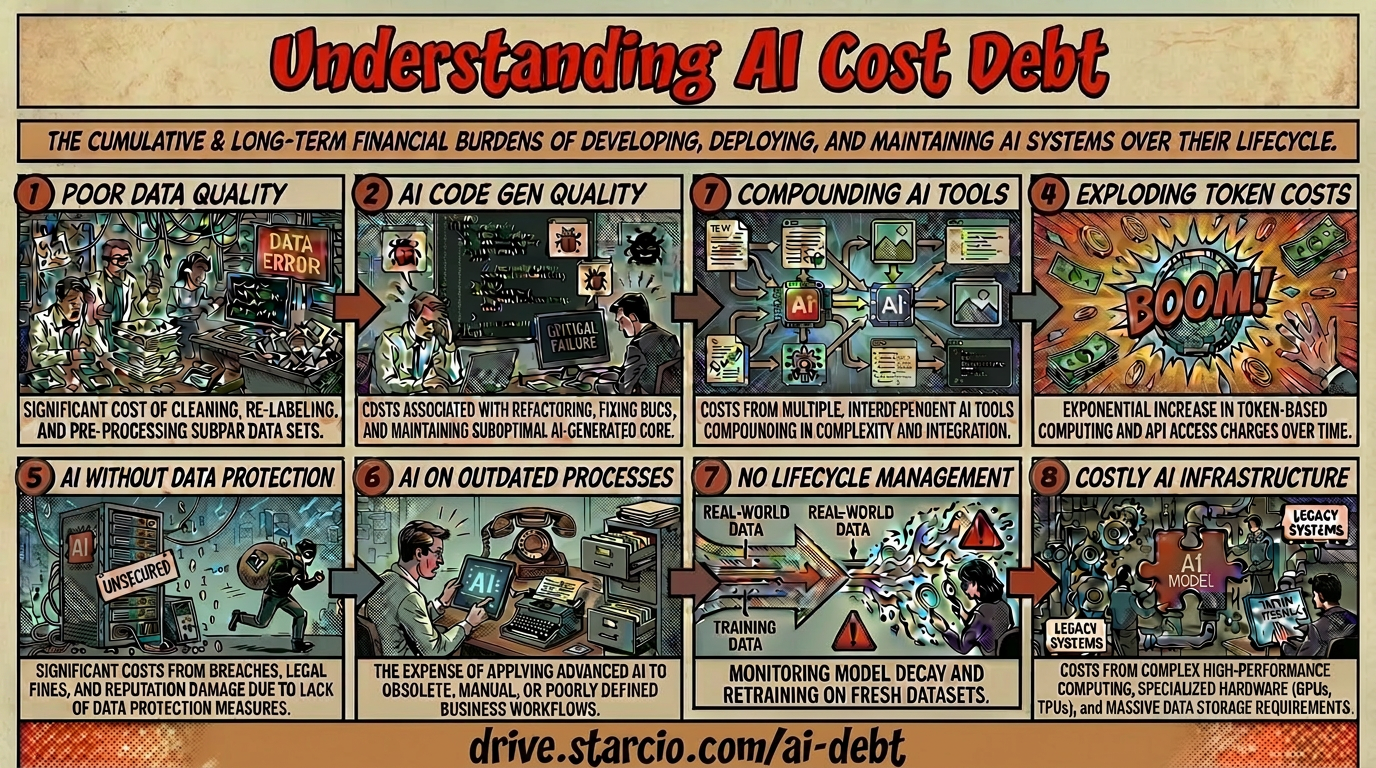
AI Cost Debt Is Real. Here’s How FinOps Helps CIOs Avoid It
AI Cost Debt is a major concern for CIOs. Isaac Sacolick shares eight AI cost issues and how to avoid them. He compares rapid AI experimentation to early cloud adoption, stressing the need for improved AI FinOps. AI cost debts include data quality, model performance, tool sprawl, and lifecycle management.
-
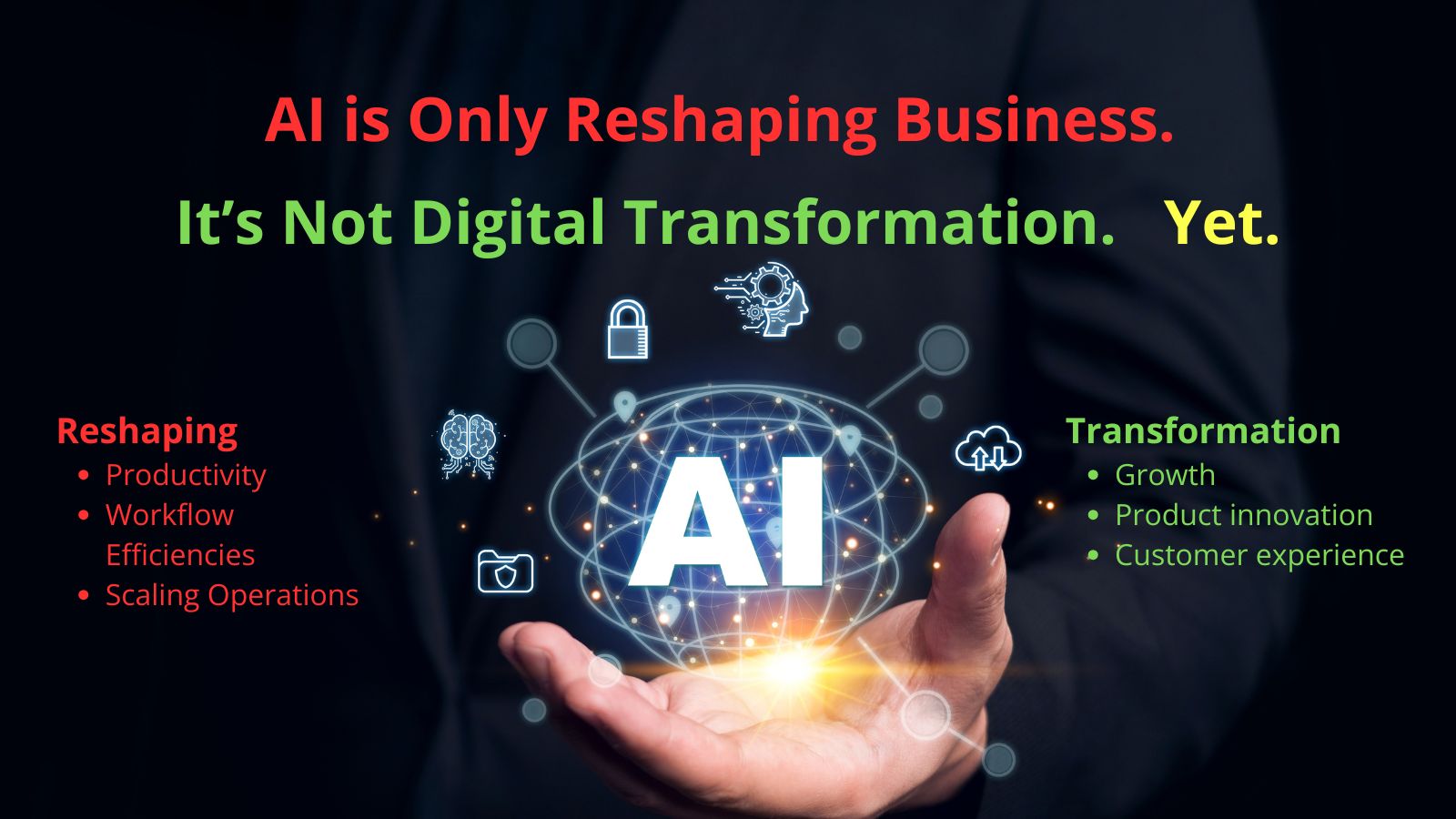
AI is Only Reshaping Business. It’s Not Digital Transformation. Yet.
There’s a disconnect between AI’s potential and its actual impact on digital transformation in businesses. Although AI is enhancing operations and customer support, it falls short of driving comprehensive transformation. CIOs face challenges in implementing AI for growth due to executive consensus, risk assessment concerns, and the focus on short-term ROI over long-term strategy.
-
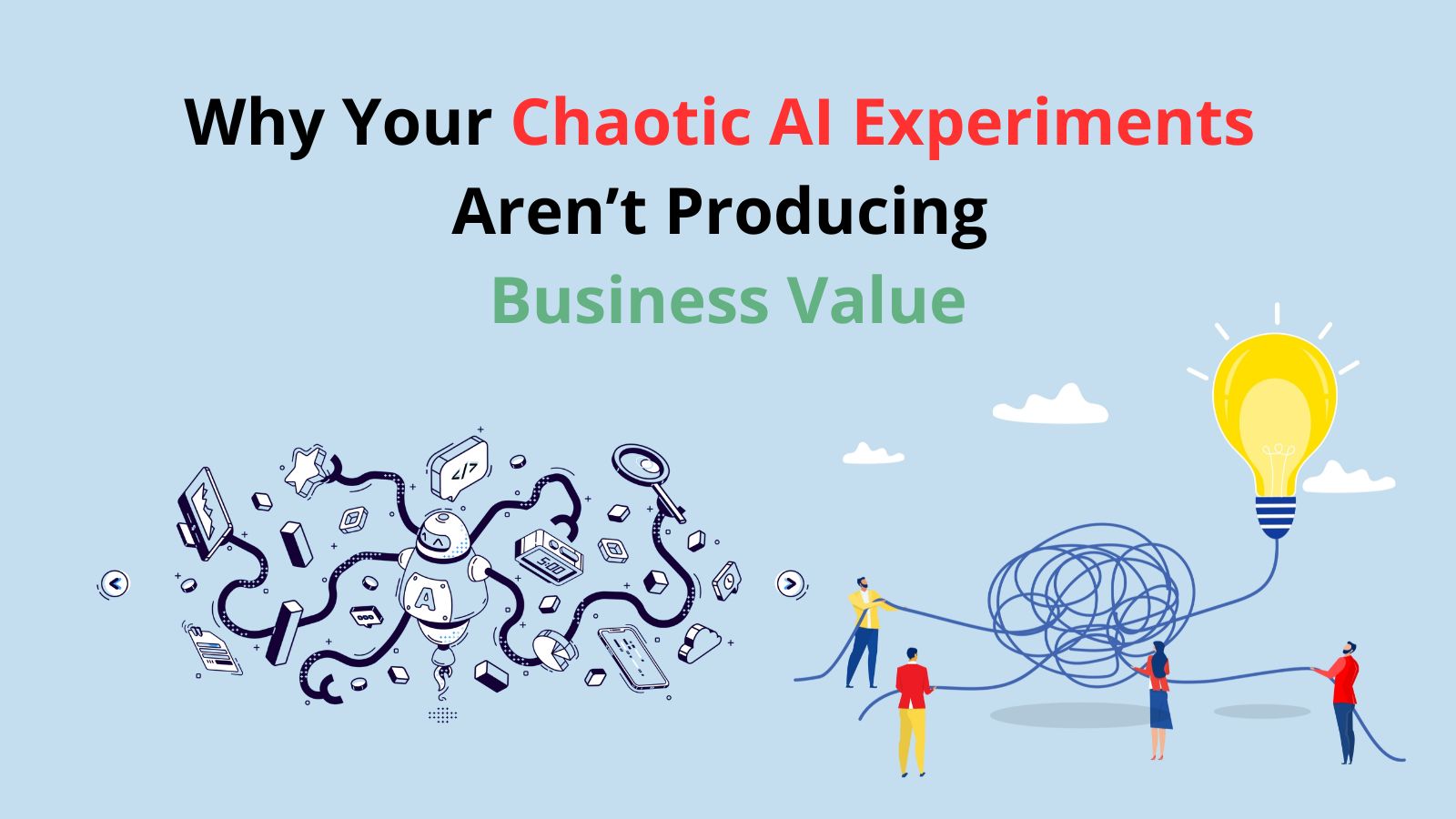
Why Your Chaotic AI Experiments Aren’t Producing Business Value
Organizations are grappling with AI strategy implementation, torn between extensive experimentation and focused deployment. A McKinsey report highlights that only a small percentage of companies scale AI effectively, with larger enterprises leading. The StarCIO Vision Statement Template offers a streamlined method for evaluating AI initiatives, supporting growth while minimizing risks and complexity.
-

What Can Japan Teach Digital Trailblazers on MVEs? Focus on Culture + UX Design + Quality
Isaac Sacolick reflects on his trip to Japan, contrasting its tech-driven culture with the US. He emphasize Japan’s people-centric values, intuitive public transport, and a commitment to quality in customer experience. The lessons learned highlight the importance of human interaction and thoughtful design in technology, suggesting a focus on minimally viable experiences rather than just…
-

5 Practical Insights on Co-Creating With Innovation Partners in the AI Era
Isaac Sacolick with insights from Coffee With Digital Trailblazers experts reveals the importance of co-creation and partnerships in driving innovation,. He highlights how organizations should adopt flexible governance, align technical capabilities, and foster a standardized agile way of working among employees and partners to deliver AI innovations and improve processes effectively.
-
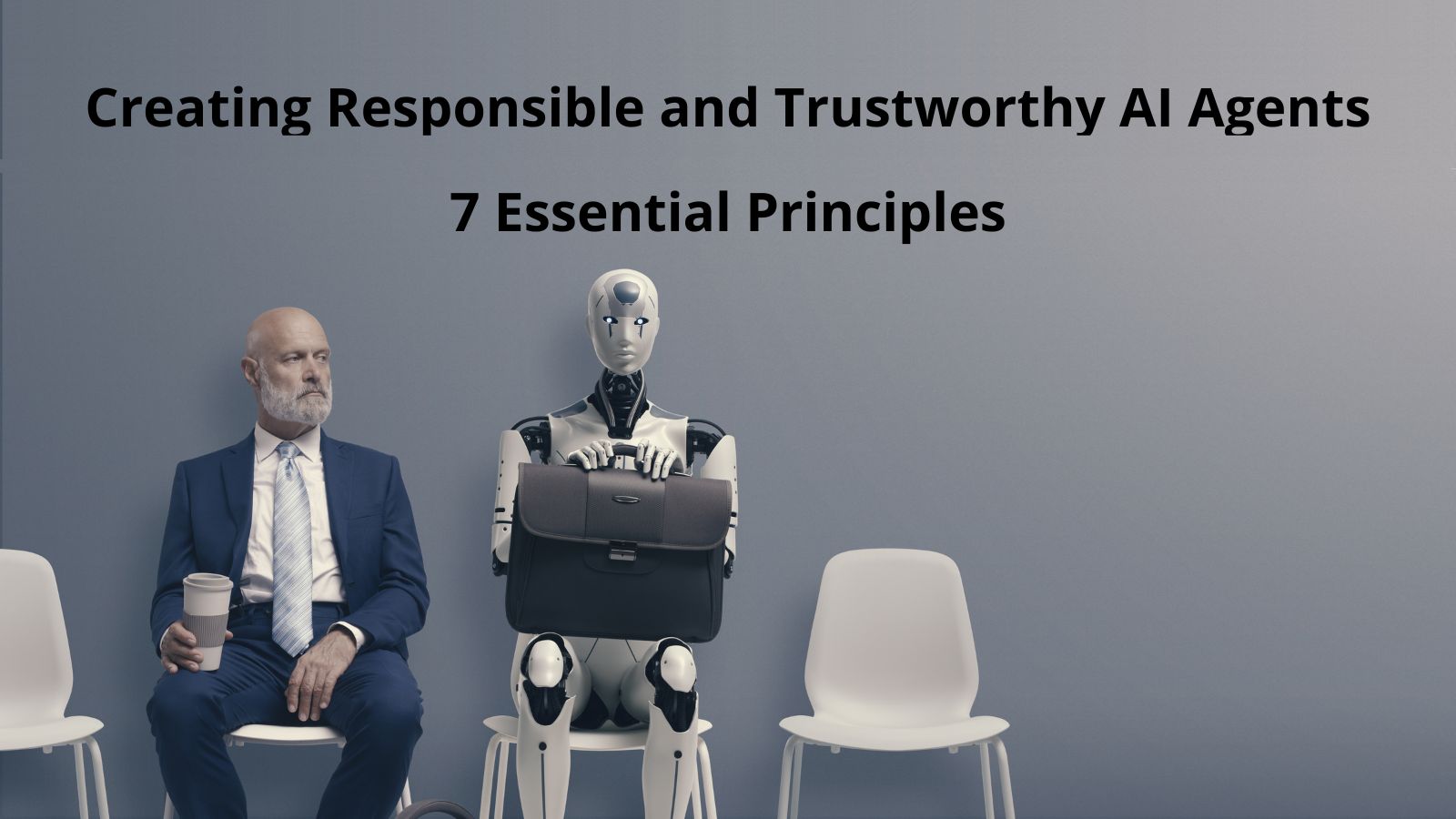
7 Essential Principles for Creating Responsible and Trustworthy AI Agents
To create trustworthy and responsible AI agents, establish your development and design principles for your agile teams to follow. This involves using validated datasets, ensuring data quality, complying with regulations, and embedding safeguards. Enterprises are encouraged to collaborate with experts, engage end-users in the process, and focus on narrow, specific applications to maximize effectiveness and…
-
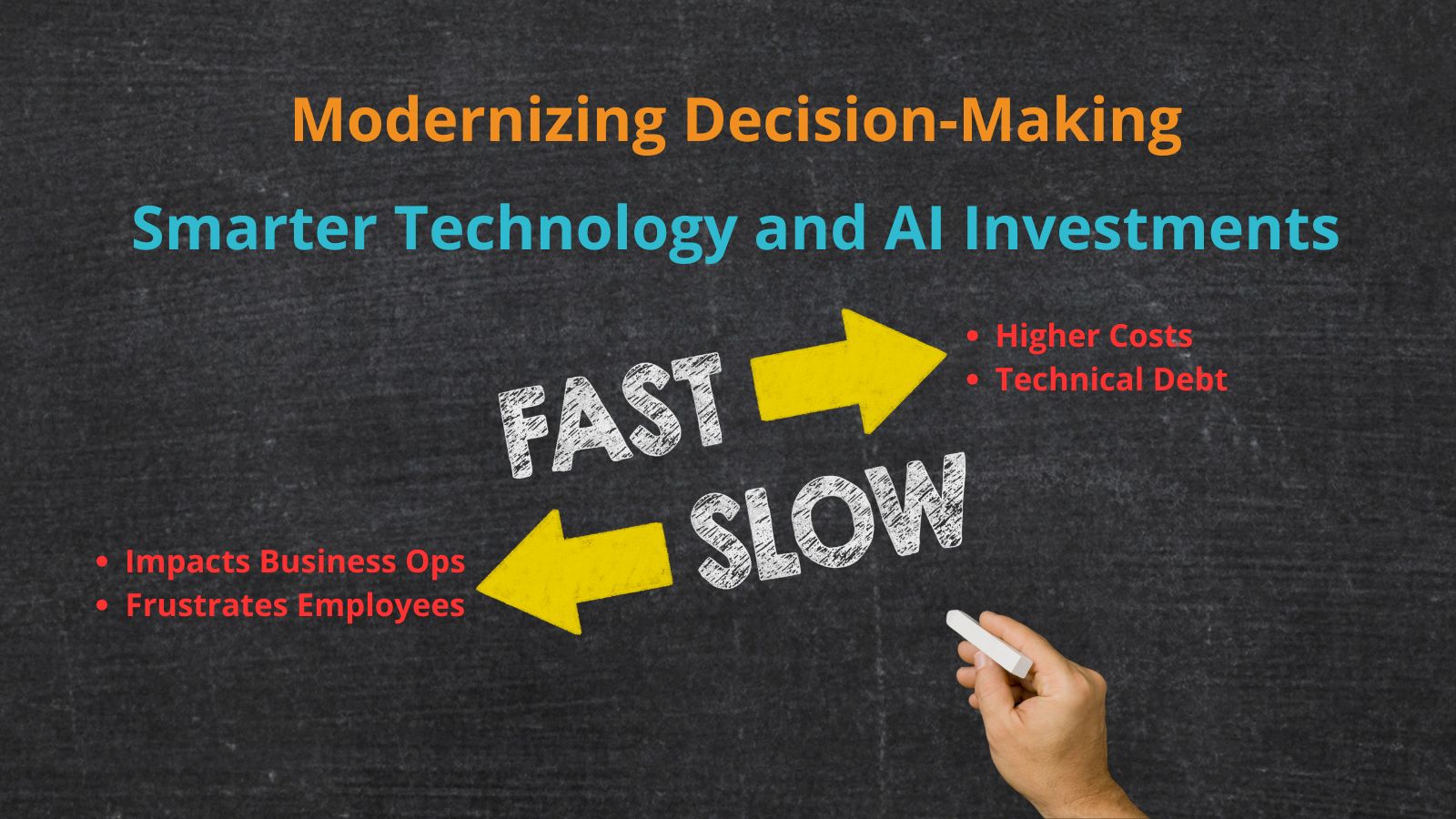
Modernizing How to Make Smarter Technology and AI Investments
Organizations need to reevaluate their technology and AI investment processes to avoid slow consensus or impulsive procurement. CIOs should focus on outcomes over features, ensuring alignment with business goals and security. Streamlining evaluation and procurement phases will aid effective technology selections, supporting agile testing and integration for transformative results.
-
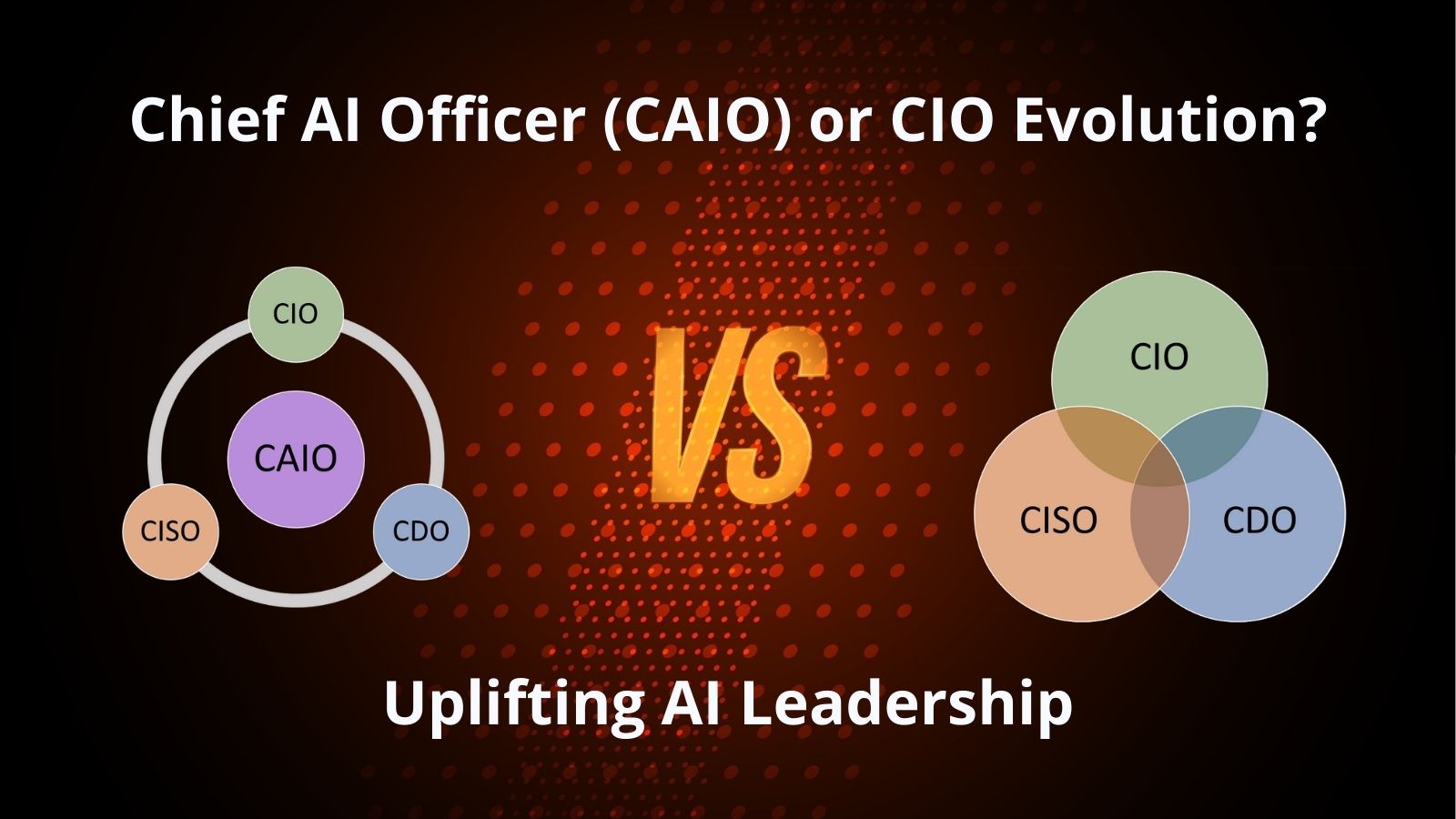
Chief AI Officer (CAIO) or CIO Evolution? Uplifting AI Leadership
Do organizations need a chief AI officer (CAIO)?, or should CIO, CDO, and CISO handle AI strategy? The CIO’s role in leading AI initiatives, promotes collaboration among C-level leaders, including the CDO and CISO, and adding CAIOs may complicate decision-making. Experts offer differing views on the necessity of CAIOs.
-
The Disastrous GenAI ROI Problem—And 3 Research-Backed Changes CIOs Must Lead
Generative AI is in the trough of disillusionment, with CIOs struggling to deliver genAI ROI from their investments.. Recommendations include focusing on change management, targeting growth opportunities, and fostering partnerships for effective AI implementation. Ensuring employee engagement and defining roles for success in the generative AI era are crucial for organizations.