

Category: Technical Debt
-
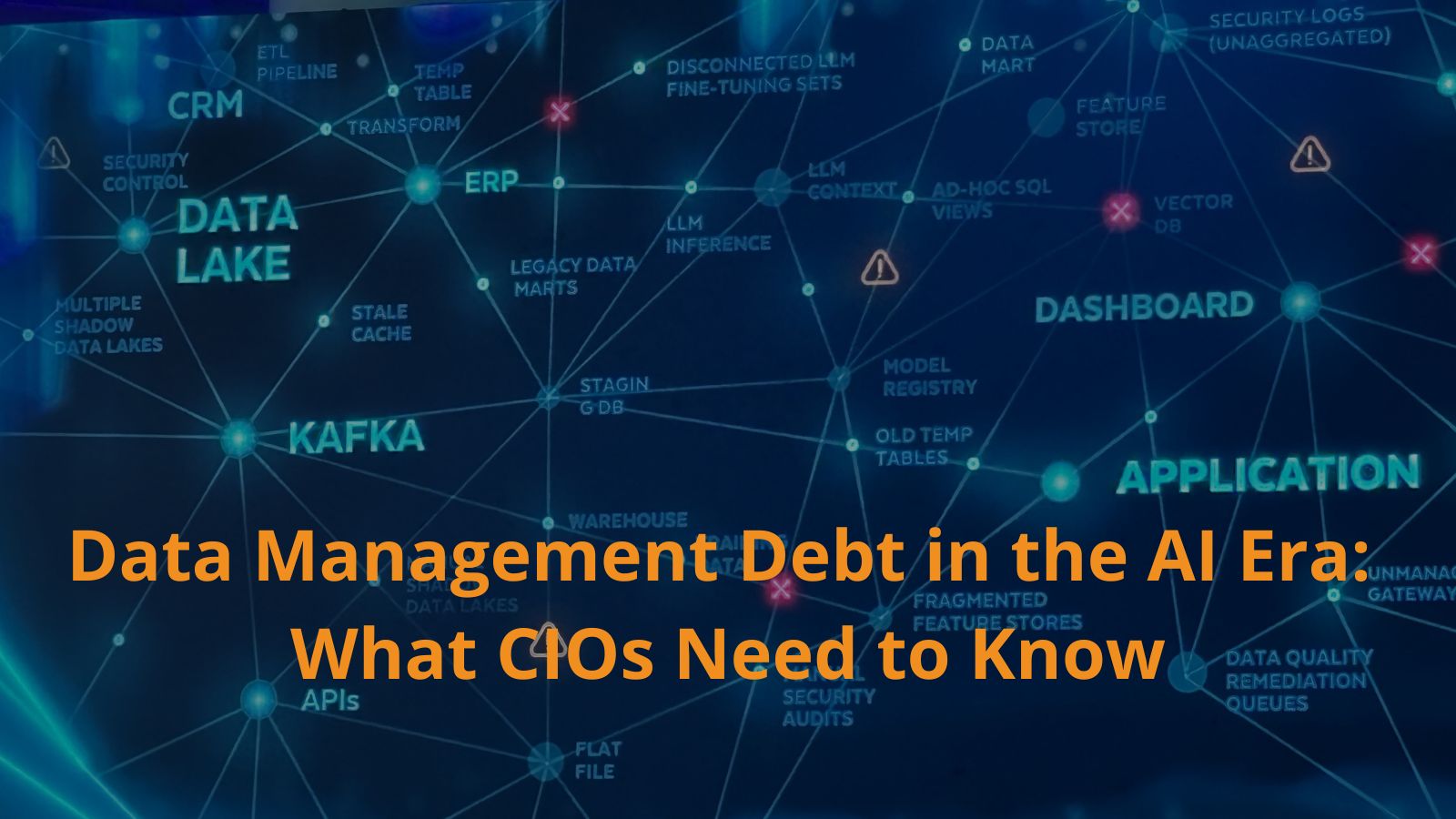
Data Management Debt in the AI Era: What CIOs Need to Know
CIOs in large enterprises and SMBs face significant data management issues, often referred to as data management debt, which complicates AI initiatives. Poor data governance and reliance on various tools hinder productivity. Snowflake offers solutions such as CoCo for data builders and CoWork for knowledge workers, aiming to streamline data handling and promote centralized data…
-
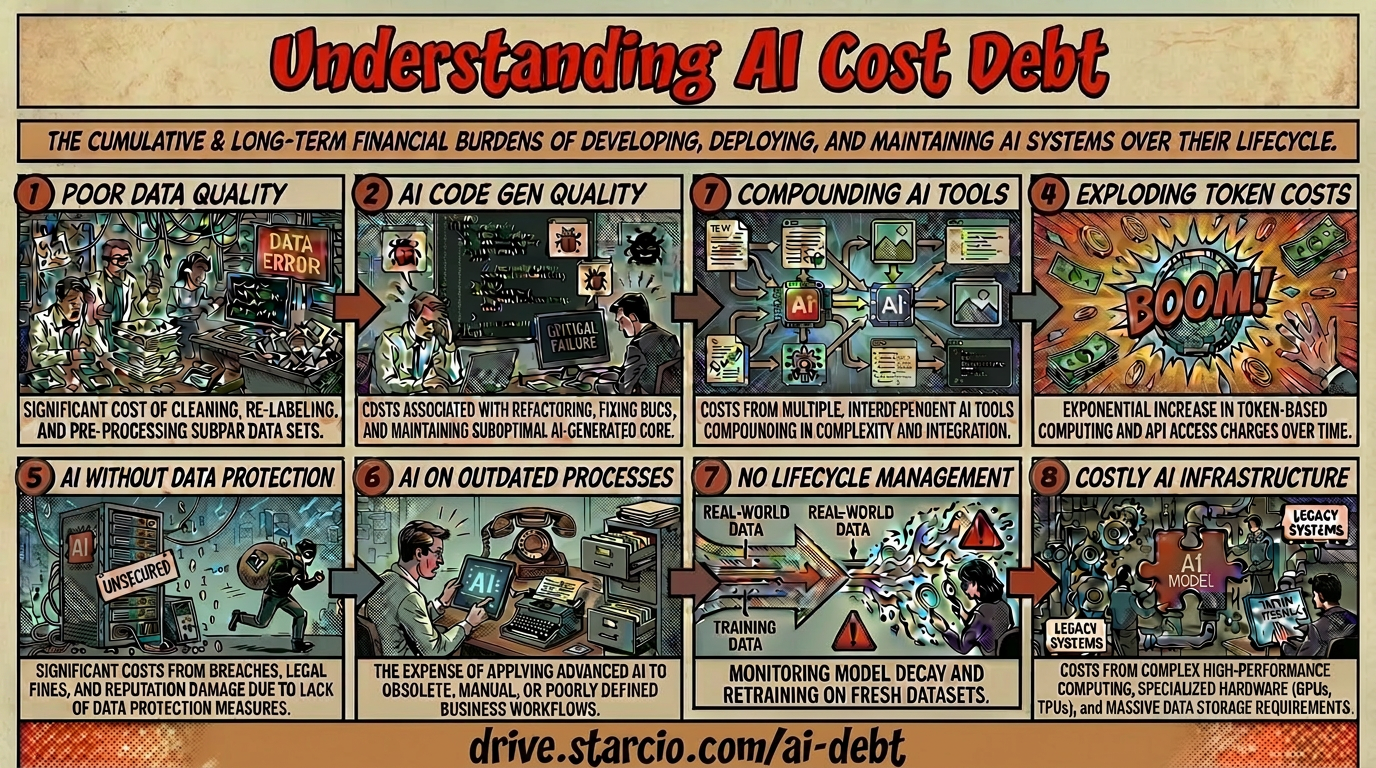
AI Cost Debt Is Real. Here’s How FinOps Helps CIOs Avoid It
AI Cost Debt is a major concern for CIOs. Isaac Sacolick shares eight AI cost issues and how to avoid them. He compares rapid AI experimentation to early cloud adoption, stressing the need for improved AI FinOps. AI cost debts include data quality, model performance, tool sprawl, and lifecycle management.
-

Low-Code Development in the AI Era: What CIOs Need to Know
Isaac Sacolick’s experiences with low-code and no-code development as a CTO and CIO, emphasizing their role in empowering citizen developers in the AI era. Highlighting Quickbase’s new AI capabilities and tools like Pave, Isaac advocates for integrating these solutions to streamline operations, enhance efficiency, and connect field and back-office functions effectively.
-

Why Your Chaotic AI Experiments Aren’t Producing Business Value
Organizations are grappling with AI strategy implementation, torn between extensive experimentation and focused deployment. A McKinsey report highlights that only a small percentage of companies scale AI effectively, with larger enterprises leading. The StarCIO Vision Statement Template offers a streamlined method for evaluating AI initiatives, supporting growth while minimizing risks and complexity.
-
10 Important AI Architecture Rules You Can’t Ignore in the GenAI Era
Experts share essential rules for AI architecture, emphasizing the significance of incremental AI implementation, flexibility, and robust governance. Architects should avoid rigid requirements, ensure data integrity, design modular systems, and prioritize reliability through continuous monitoring. These principles facilitate the successful integration of AI while minimizing future technical debt and risks.
-
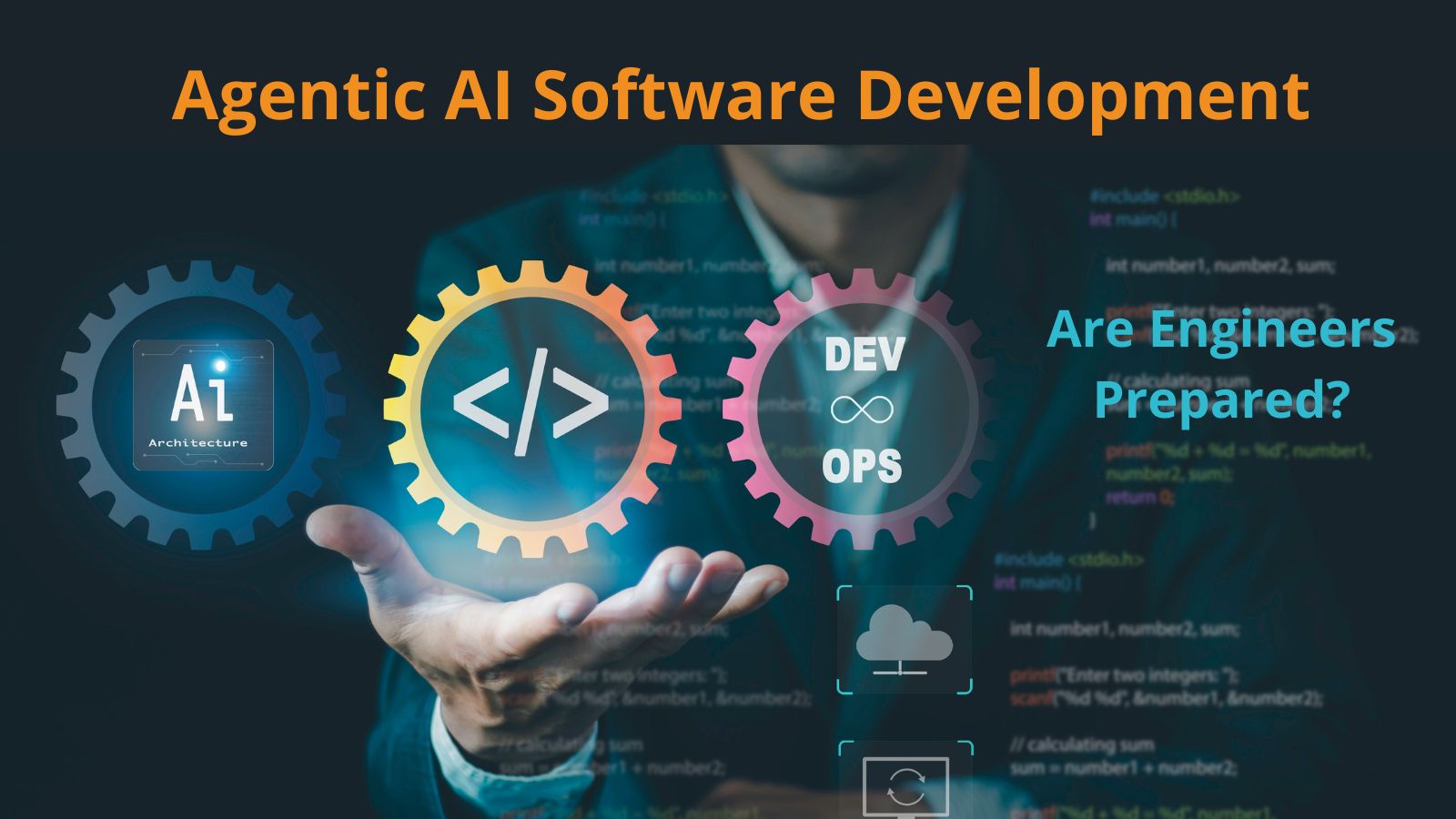
Are Engineers Prepared for the Emerging Agentic AI Software Development World?
Agentic AI software development is revolutionizing low-code and no-code platform capabilities. Reports indicate a significant rise in AI-assisted coding among developers. As AI agents become more autonomous, traditional coding may decline, posing questions about the future roles of software engineers and enhancing business capabilities.
-

Agile Solution Architecture: How to Empower Debates, Resolve Disputes, and Make Decisions
One problem leads to many solutions, which can drive architects, DevOps, and data science teams to debate and dispute platforms and architectures.
-

Beware Technical Debt: How Bad Code Smells Like Rotten Cheese
What is tech debt? The code smells, like rotten cheese. Lessons for agile and DevOps Digital Trailblazers on prioritizing technical debt
-

What is Your Survival Plan for Managing Technical Debt?
Developing a plan to manage technical debt; a video by Digital Trailblazer author Isaac Sacolick with ten of his top DevOps blog posts on tech debt.
-

5 Summer Activities to Know for Accelerating Your Technology Leadership
Recharge your teams with reassess digital transformation priorities this summer with these Digital Trailblazer activities
-

How to Avoid Bogging Down Your IT Org With Technical debt
Avoid technical debt by adopting agile continuous planning, defining devops principles, and specifying non-negotiables
-

How Low-Code and No-Code Really Helps Reduce Tech Debt and Drive Innovation
Insights and demo from Isaac Sacolick on using low-code and no-code to accelerate innovation and reduce technical debt