

Category: Data Governance
-

5 Ways AI Governance Lowers the AI Hallucination Tax
We define the “hallucination tax,” as costs incurred when AI outputs are incorrect but presented with confidence. Key strategies for managing this include developing a unified AI registry, establishing guardrails, and monitoring data contexts to enhance AI reliability and reduce costs. A recap of our recent Coffee With Digital Trailblazers with special guest Felix Van…
-

How Citizen Developers Should Respond to Allegations They Are Shadow IT
The role of low/no-code development can be significant in advancing a digital transformation strategy. It highlights the need for governance and best practices to prevent the perception of citizen development as shadow IT. Key strategies include defining building disciplines, prioritizing integrations, implementing security standards, documenting data assets, and controlling AI experimentation.
-
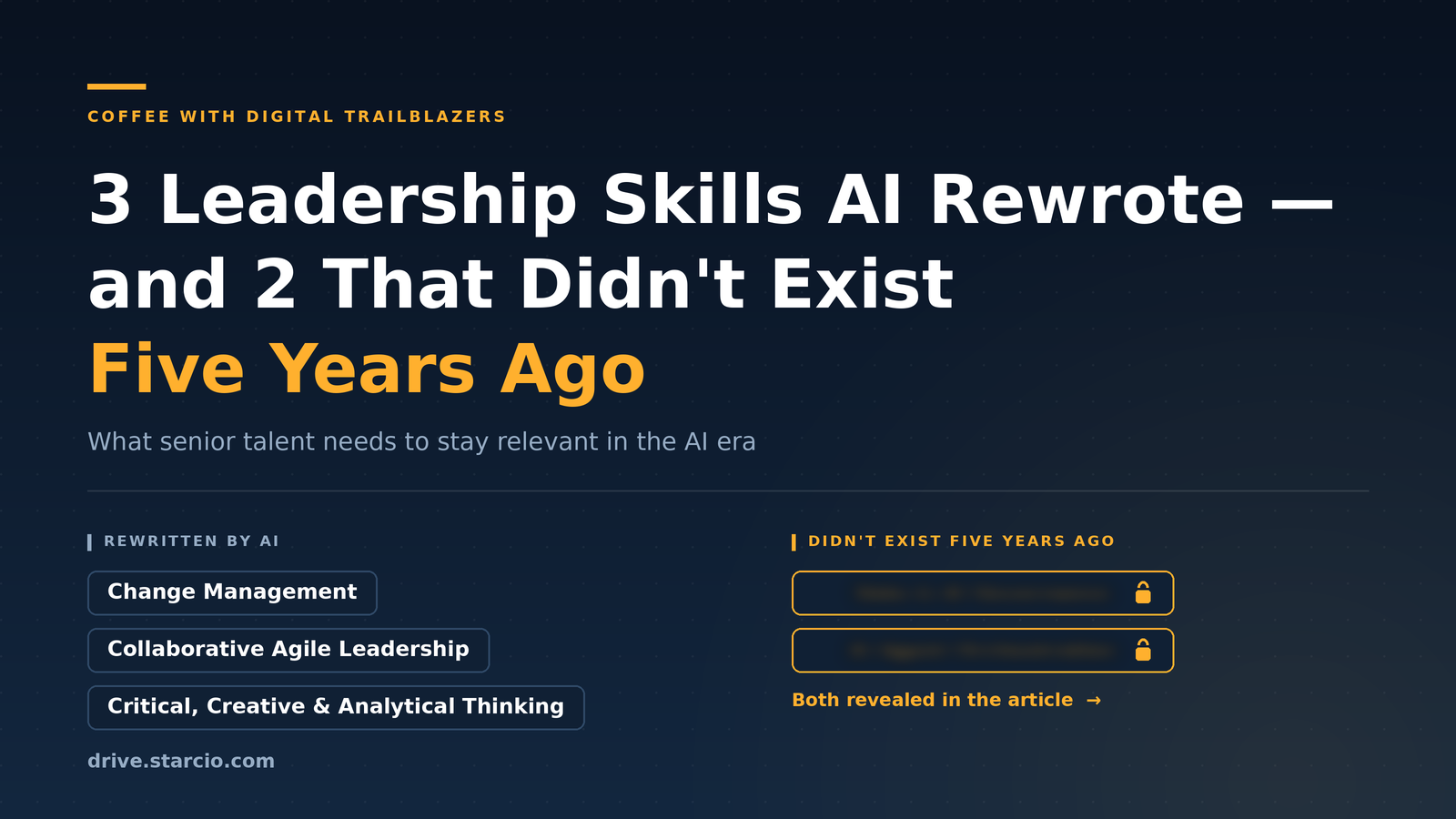
3 Leadership Skills AI Rewrote — and 2 That Didn’t Exist Five Years Ago
The discussion at Coffee With Digital Trailblazers emphasized the need for mid-career leaders to reskill, focusing on leadership skills tailored for the AI era. Essential skills identified include change management, critical thinking, data governance, and AI agent orchestration, highlighting how AI reshapes leadership roles and enhances business value.
-

5 Essential Questions for CIOs on Planning IT Careers in the AI Era
The rise of AI in IT roles is causing concern among employees about job security and their future IT careers. While CIOs are improving employee skills and career development, a structured career planning approach is lacking. AI is transforming roles, necessitating a focus on new skills and leadership capabilities for future growth.
-
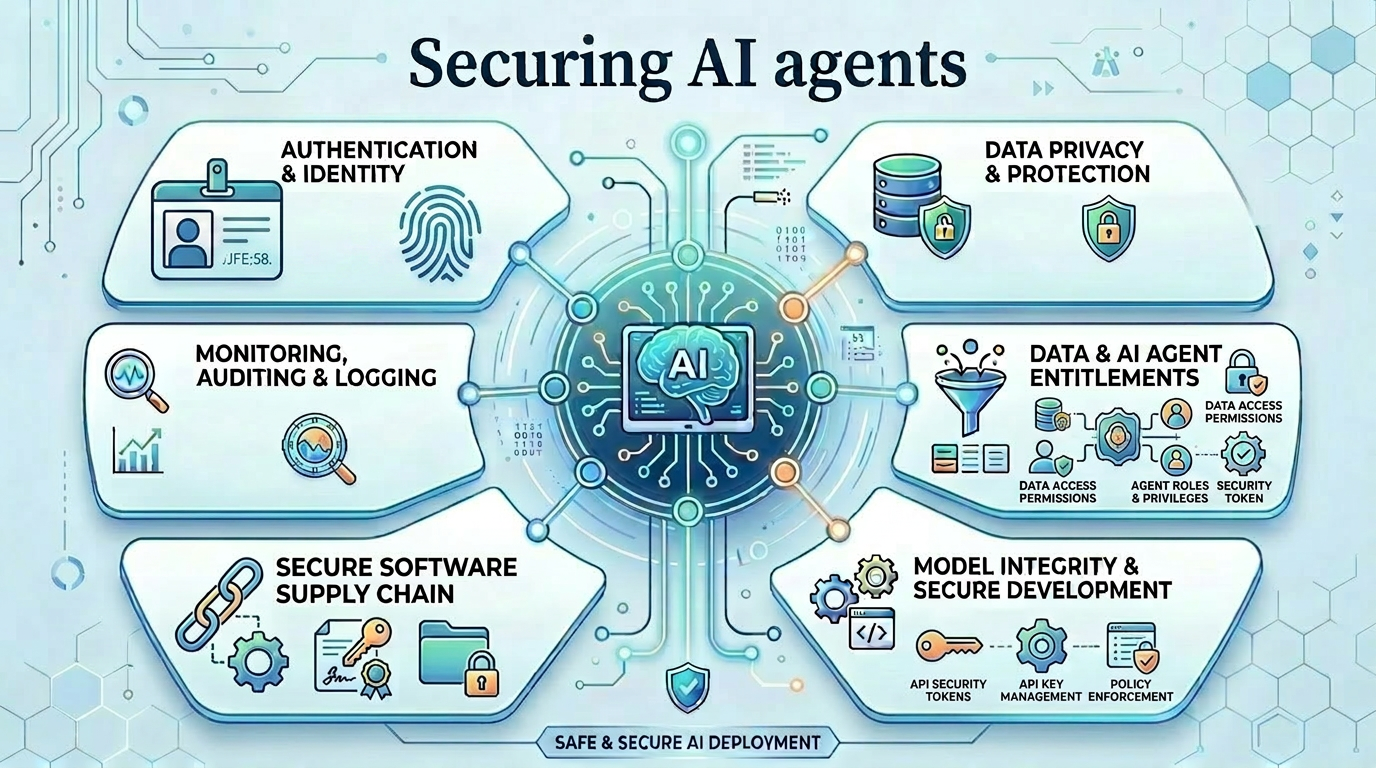
6 Key Requirements for Securing AI Agents Before the POC
At a recent Coffee With Digital Trailblazers episode, we emphasized essential security measures for AI agents, urging organizations to adopt a security-by-design approach. Key recommendations include creating distinct identities for AI agents, enforcing least-privilege access, maintaining strong data governance, and implementing robust observability to monitor AI performance and prevent risks associated with autonomy.
-
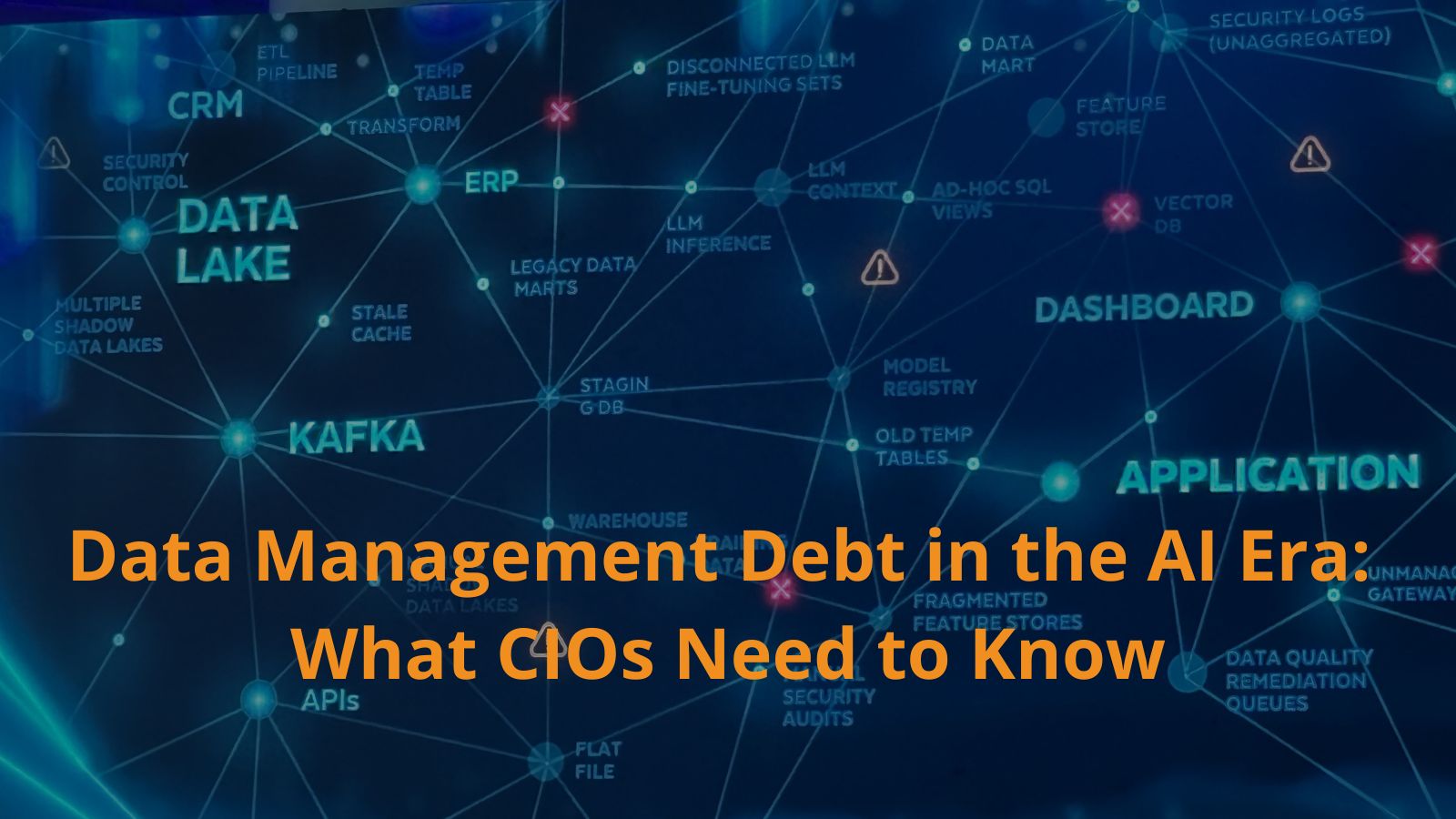
Data Management Debt in the AI Era: What CIOs Need to Know
CIOs in large enterprises and SMBs face significant data management issues, often referred to as data management debt, which complicates AI initiatives. Poor data governance and reliance on various tools hinder productivity. Snowflake offers solutions such as CoCo for data builders and CoWork for knowledge workers, aiming to streamline data handling and promote centralized data…
-
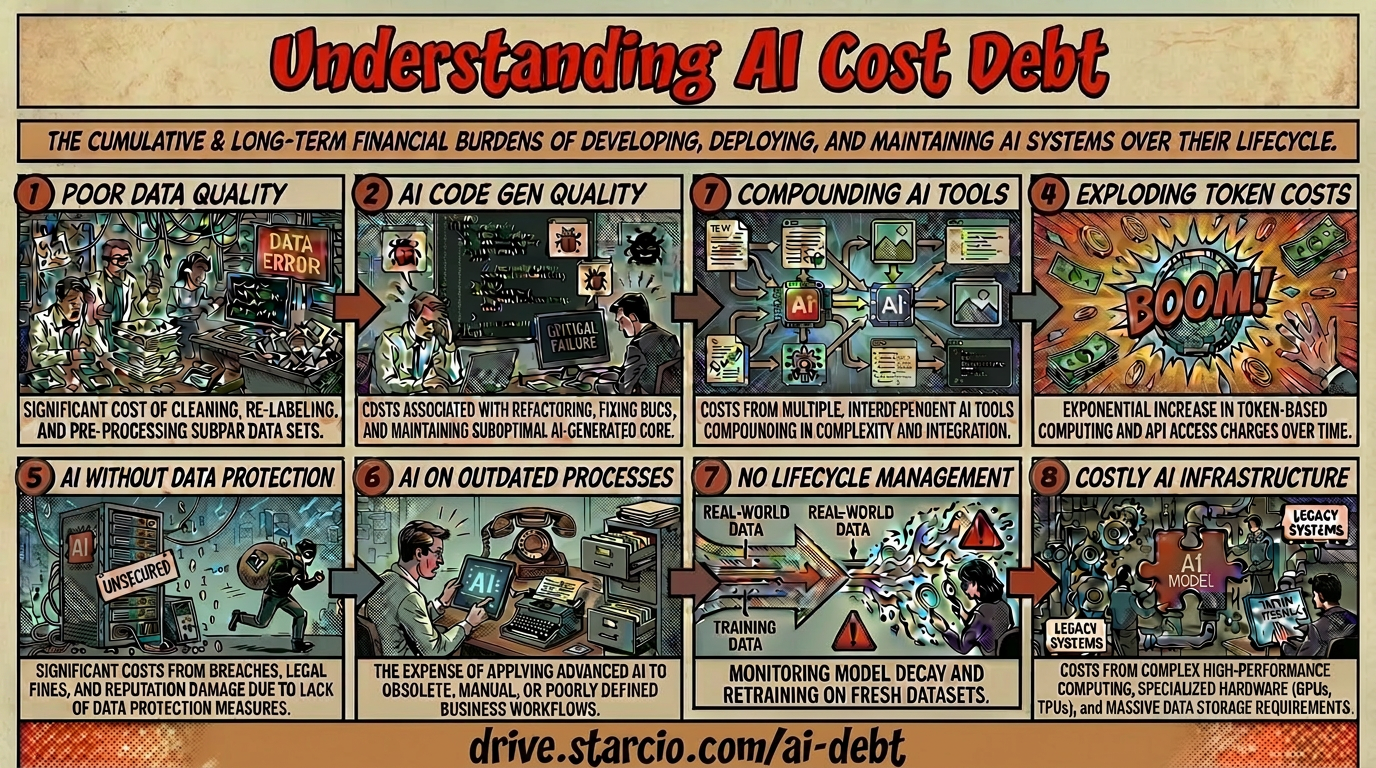
AI Cost Debt Is Real. Here’s How FinOps Helps CIOs Avoid It
AI Cost Debt is a major concern for CIOs. Isaac Sacolick shares eight AI cost issues and how to avoid them. He compares rapid AI experimentation to early cloud adoption, stressing the need for improved AI FinOps. AI cost debts include data quality, model performance, tool sprawl, and lifecycle management.
-

Hybrid Clouds in the AI Era: What CIOs Need to Know
CIOs increasingly support hybrid clouds for cost optimization, performance, and data sovereignty. The article emphasizes using genAI for efficient multicloud management through standardization and operational strategies. Nutanix’s offerings, including hybrid database services and AI capabilities, simplify infrastructure management, enhance employee experience, and provide scalability across multiple environments, demonstrating long-term benefits for enterprises.
-
How to Develop AI Literacy in Your Organization? A Useful Leadership Guide
Organizations are focusing on developing AI literacy to enhance understanding and usage of AI agents. Key strategies involve setting pragmatic AI goals, ensuring top-level engagement, implementing responsible data security practices, and fostering critical thinking skills. Leadership must balance AI risks with effective training to create an ethically aware, AI-literate culture that drives transformation.
-
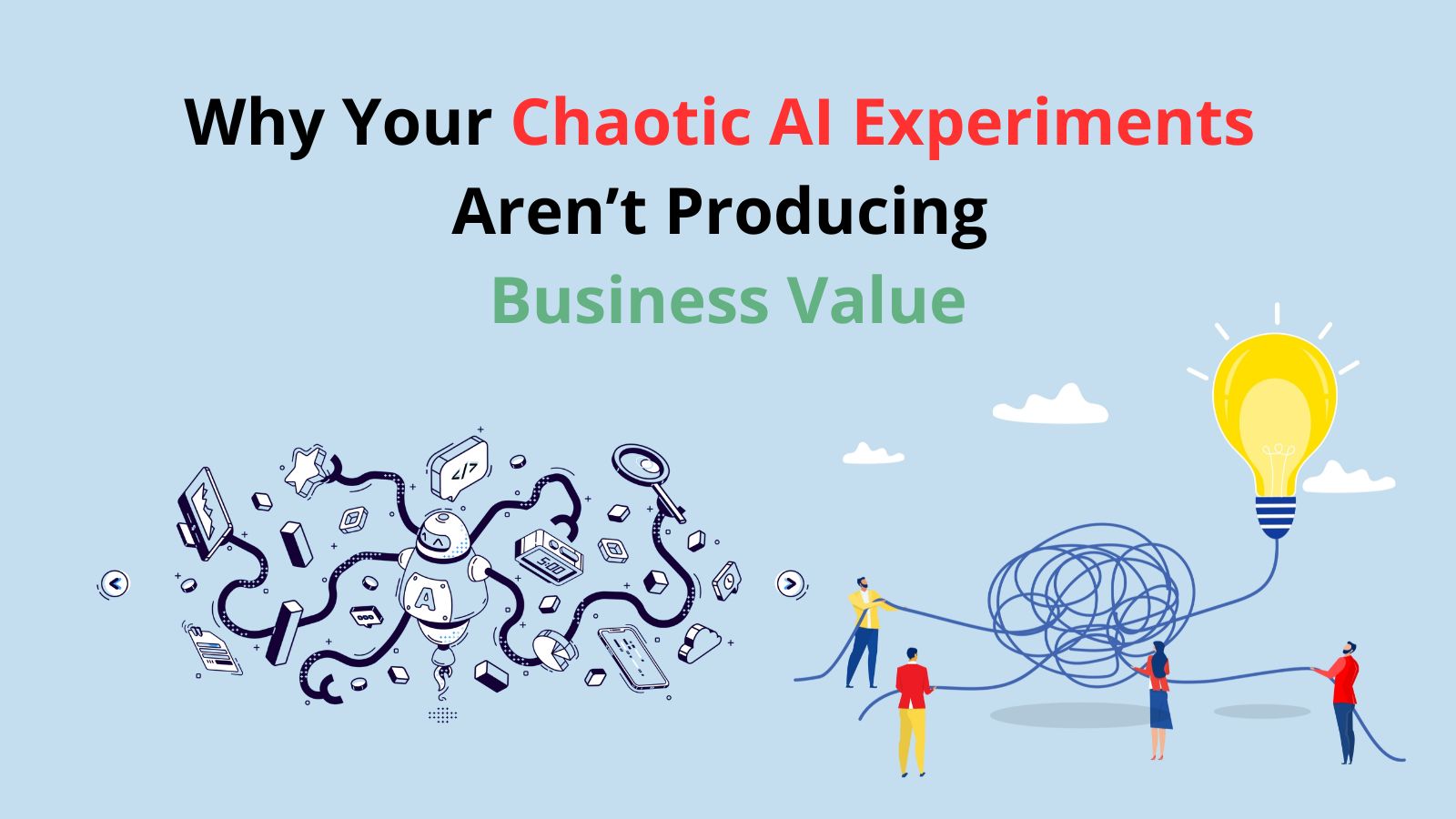
Why Your Chaotic AI Experiments Aren’t Producing Business Value
Organizations are grappling with AI strategy implementation, torn between extensive experimentation and focused deployment. A McKinsey report highlights that only a small percentage of companies scale AI effectively, with larger enterprises leading. The StarCIO Vision Statement Template offers a streamlined method for evaluating AI initiatives, supporting growth while minimizing risks and complexity.
-

Data Privacy Week Is Over. Now Comes Leadership Accountability
Data Privacy Week highlighted the urgent need for organizations to prioritize data privacy, security, and governance, especially as AI adoption grows. Significant breaches and increasing lawsuits underscore this urgency. Executives must recognize that data safety is a collective responsibility, requiring cross-departmental collaboration and proactive measures to mitigate risks and enhance customer trust.
-
50+ Expert Predictions: Ways to Drive Agentic AI, Data Governance, and Security in 2026
50+ experts, including 15 CEOs and 10 CIO/CTOs shared their agentic AI predictions for 2026. Expect CX, AI Security, data governance, and leadership to be major drivers of reshaping businesses – but only a few companies will truly transform.