

Category: Chief Data Officer
-

5 Ways AI Governance Lowers the AI Hallucination Tax
We define the “hallucination tax,” as costs incurred when AI outputs are incorrect but presented with confidence. Key strategies for managing this include developing a unified AI registry, establishing guardrails, and monitoring data contexts to enhance AI reliability and reduce costs. A recap of our recent Coffee With Digital Trailblazers with special guest Felix Van…
-

Twenty-Five Years Later: My 9/11 Story
In this reflective account, Isaac Sacolick recounts his experience during the 9/11 attacks, blending personal narrative with professional urgency. He details his journey to a merger meeting, interrupted by news of the World Trade Center collapse. Amidst confusion and panic, thoughts of colleagues and loved ones surface, revealing the day’s profound impact on his life.
-

10 Signs of the AI Bubble Bursting and 7 Ways CIOs Should Prepare For It
The potential for an AI bubble to burst raises critical questions for CIOs on their AI strategy. While some deliver AI business value, many struggle with ROI and governance. 7 recommendations for CIOs include addressing detractors, catching up on AI governance, and addressing AI debt.
-
How Knowledge Management Drives AI’s Context Layer: 5 Industry Examples
Knowledge management is a key process for developing the AI’s context layer. The article explores opportunities and challenges in five industries: healthcare, financial services, construction, manufacturing, and higher ed. Common challenges include change management, executive alignment, data integration, and data governance. Opportunities include faster time-to-decision, improved CX, and enabling agentic AI operations.
-
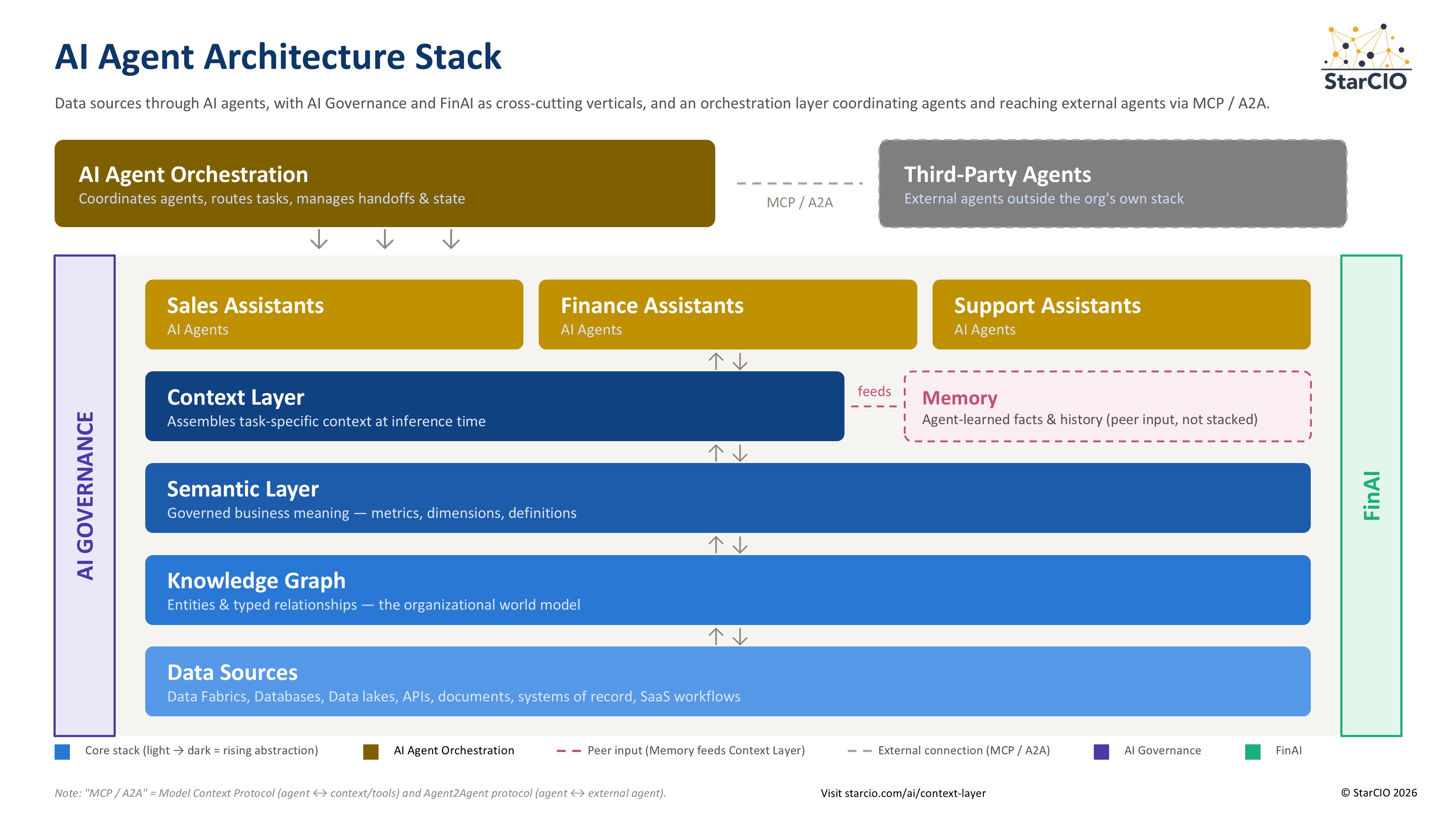
Building the AI Agent’s Brain: Knowledge Graphs vs. Semantic Layer vs. Context Layer
Confused by the jargon on the context layer surrounding the AI agent’s brain? What’ the diffeence between knowledge graphs, the semantic layer, and and the context later? What AI governance is required, and how can organizations develop the AI brain iteratively?
-
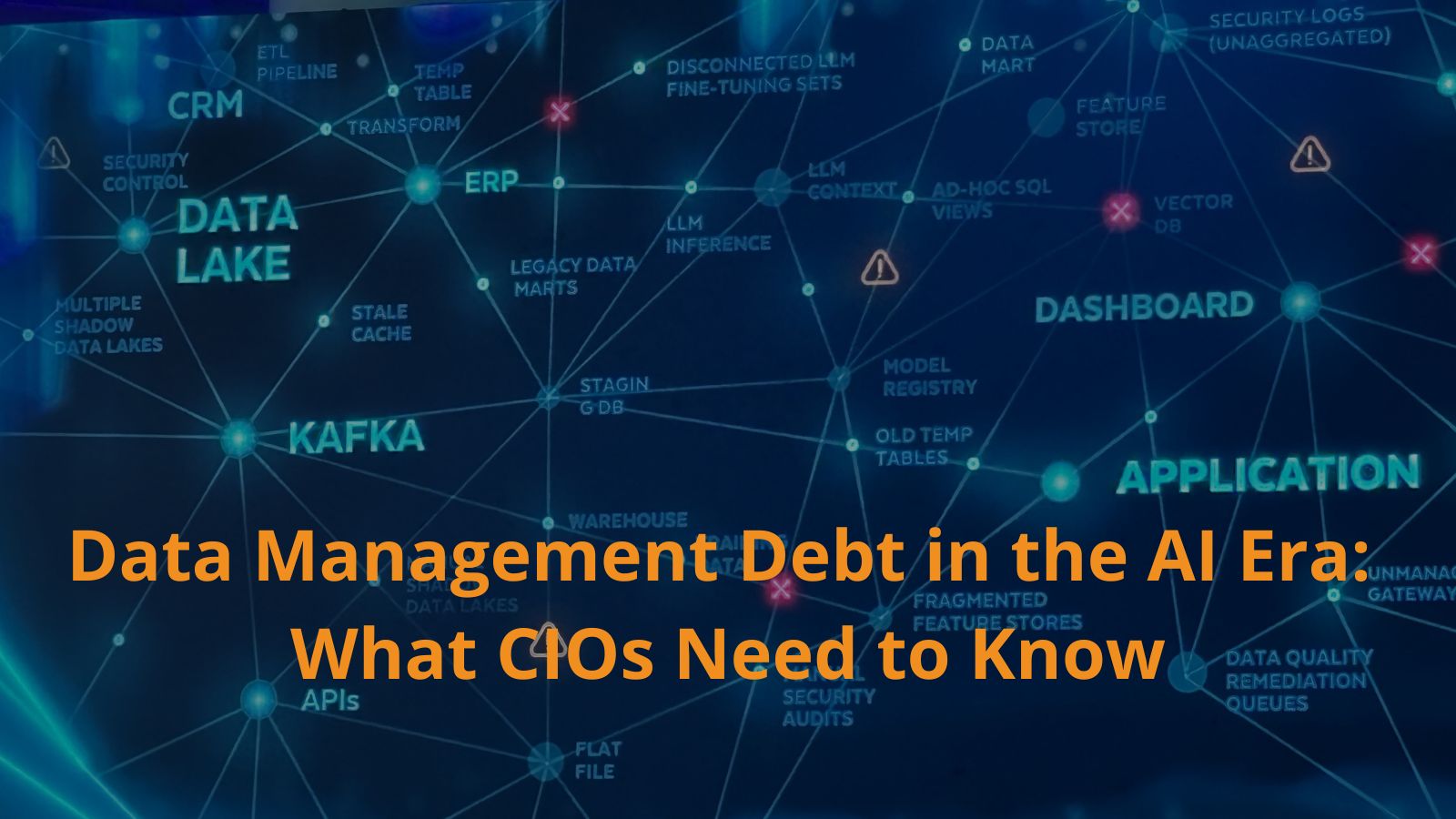
Data Management Debt in the AI Era: What CIOs Need to Know
CIOs in large enterprises and SMBs face significant data management issues, often referred to as data management debt, which complicates AI initiatives. Poor data governance and reliance on various tools hinder productivity. Snowflake offers solutions such as CoCo for data builders and CoWork for knowledge workers, aiming to streamline data handling and promote centralized data…
-
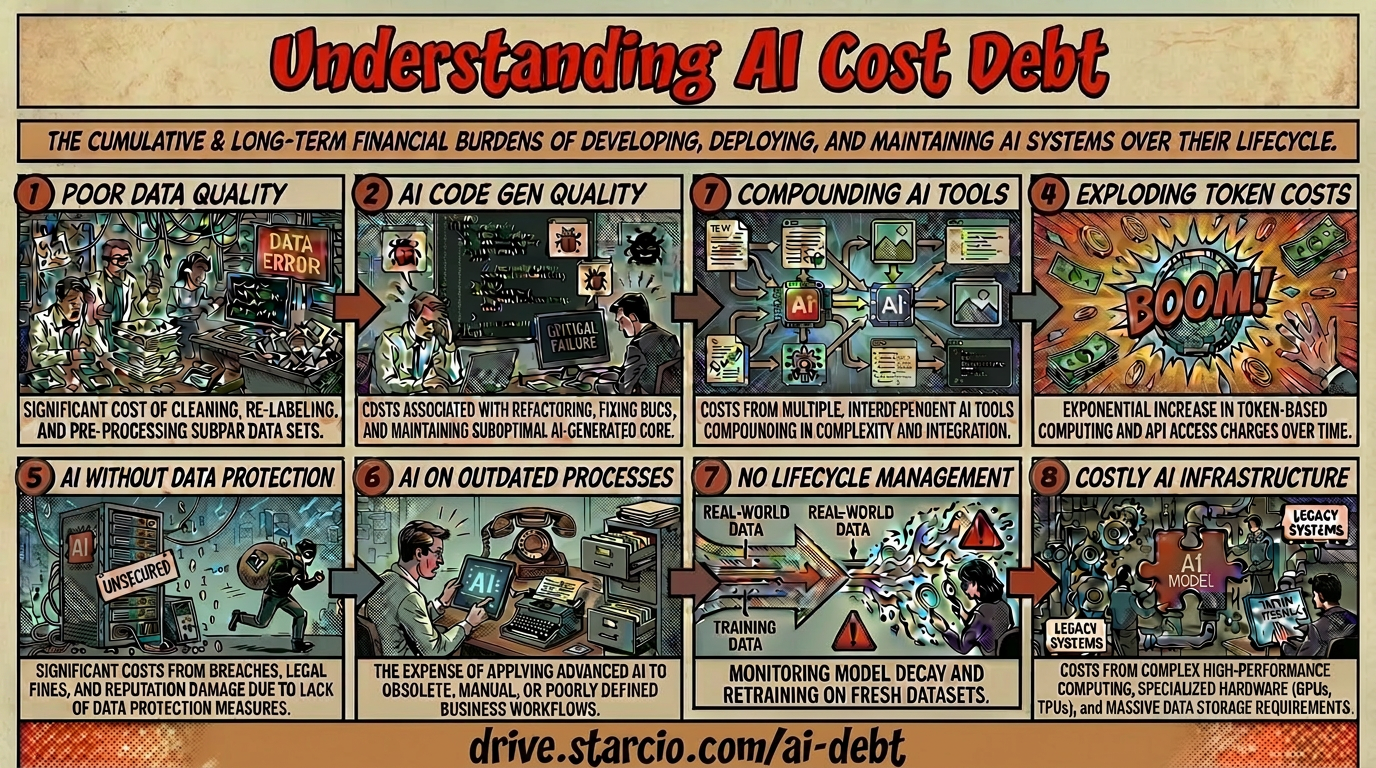
AI Cost Debt Is Real. Here’s How FinOps Helps CIOs Avoid It
AI Cost Debt is a major concern for CIOs. Isaac Sacolick shares eight AI cost issues and how to avoid them. He compares rapid AI experimentation to early cloud adoption, stressing the need for improved AI FinOps. AI cost debts include data quality, model performance, tool sprawl, and lifecycle management.
-

Is AI Putting Your Leadership Job at Risk—or Opening Your Biggest Career Opportunity?
Reflecting on pivotal moments in careers and current industry shifts affecting Digital Trailblazers. Key factors include advancements in AI, a significant decline in VC funding, rising unemployment, and CEO turnover. These changes create uncertainties, impacting job security and prompting many to pursue entrepreneurship amidst challenging market conditions.
-
How to Develop AI Literacy in Your Organization? A Useful Leadership Guide
Organizations are focusing on developing AI literacy to enhance understanding and usage of AI agents. Key strategies involve setting pragmatic AI goals, ensuring top-level engagement, implementing responsible data security practices, and fostering critical thinking skills. Leadership must balance AI risks with effective training to create an ethically aware, AI-literate culture that drives transformation.
-

Data Privacy Week Is Over. Now Comes Leadership Accountability
Data Privacy Week highlighted the urgent need for organizations to prioritize data privacy, security, and governance, especially as AI adoption grows. Significant breaches and increasing lawsuits underscore this urgency. Executives must recognize that data safety is a collective responsibility, requiring cross-departmental collaboration and proactive measures to mitigate risks and enhance customer trust.
-

Resilient Reflections: A Candid Year of Loss, AI Insights, and Amazing Digital Trailblazers
As 2025 concludes, Isaac Sacolick reflects on personal challenges and achievements. Highlights include 150 episodes of Coffee With Digital Trailblazers, a successful LinkedIn course on digital transformation, and over 90 published articles. Plans for 2026 include personal trips and new thought leadership topics.
-

3 Breakthrough Capabilities Uniting IT Ops, SecOps, and Data Governance
IT Ops, SecOps, and data governance teams face challenges as AI integration accelerates. At recent conferences, Collibra showcased data catalogs as centralized products, Tanium introduced zero-trust admin access with Jump Gate, and Commvault emphasized seamless multicloud recoveries. These innovations promote collaboration, address operational gaps, and enhance organizational resilience.