Category: AI, Data Governance
-
How Knowledge Management Drives AI’s Context Layer: 5 Industry Examples
Knowledge management is a key process for developing the AI’s context layer. The article explores opportunities and challenges in five industries: healthcare, financial services, construction, manufacturing, and higher ed. Common challenges include change management, executive alignment, data integration, and data governance. Opportunities include faster time-to-decision, improved CX, and enabling agentic AI operations.
-
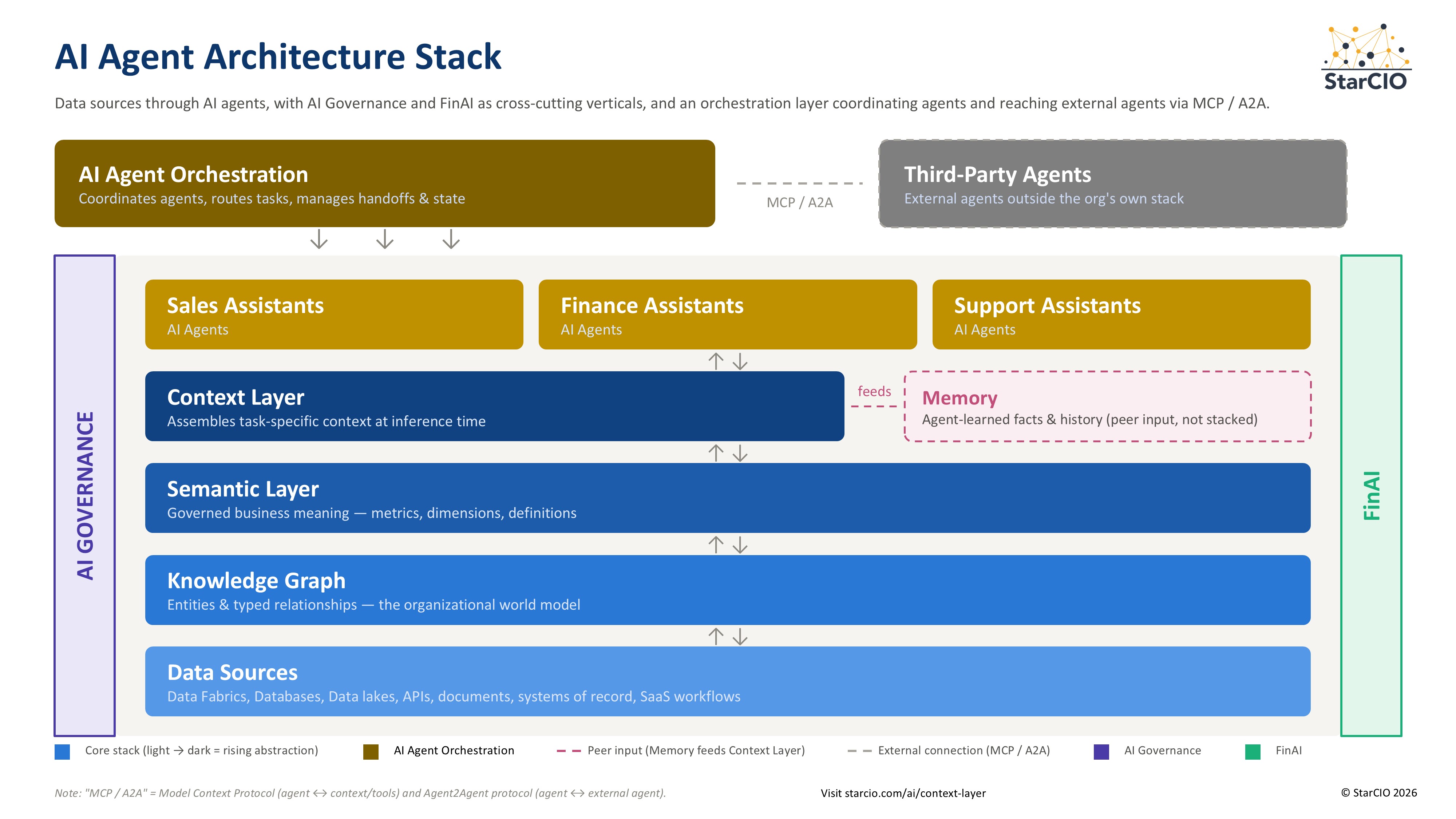
Building the AI Agent’s Brain: Knowledge Graphs vs. Semantic Layer vs. Context Layer
Confused by the jargon on the context layer surrounding the AI agent’s brain? What’ the diffeence between knowledge graphs, the semantic layer, and and the context later? What AI governance is required, and how can organizations develop the AI brain iteratively?
-

How Citizen Developers Should Respond to Allegations They Are Shadow IT
The role of low/no-code development can be significant in advancing a digital transformation strategy. It highlights the need for governance and best practices to prevent the perception of citizen development as shadow IT. Key strategies include defining building disciplines, prioritizing integrations, implementing security standards, documenting data assets, and controlling AI experimentation.
-

Technology Selections in the AI Era: 7 Criteria to Evaluate a Vendor’s Ecosystem
Organizations struggle with technology selection in the AI era, often facing integration issues or overanalyzing criteria. Misjudging value and risk can lead to AI debt. Evaluating technology must focus on value, risk, and ecosystem, considering factors like data portability, integration capabilities, community sentiment, and leadership accessibility to ensure long-term success.
-

AI Is Only as Good as Your Talent: Five Ways People Amplify Its Value
As AI transforms the workforce, organizations must adapt talent strategies to leverage human skills that machines cannot replace, such as critical thinking and ethical judgment. Cooperation between talent and AI enhances innovation and drives business value. Companies must prioritize skilled talent nurturing to maximize AI effectiveness, ensuring ongoing collaboration and expertise.
-

Should Citizen Developers Vibe Code — or Vibe No-Code?
Are vibe coding tools appropriate for citizen developer – or is what they really need a vibe no-code experience. The choice requires a review of governance models, company culture, and developer skills. Examples of effective implementations, like Quickbase, are showcased, advocating for a careful evaluation of vibe no-coding for empowering developers.
-
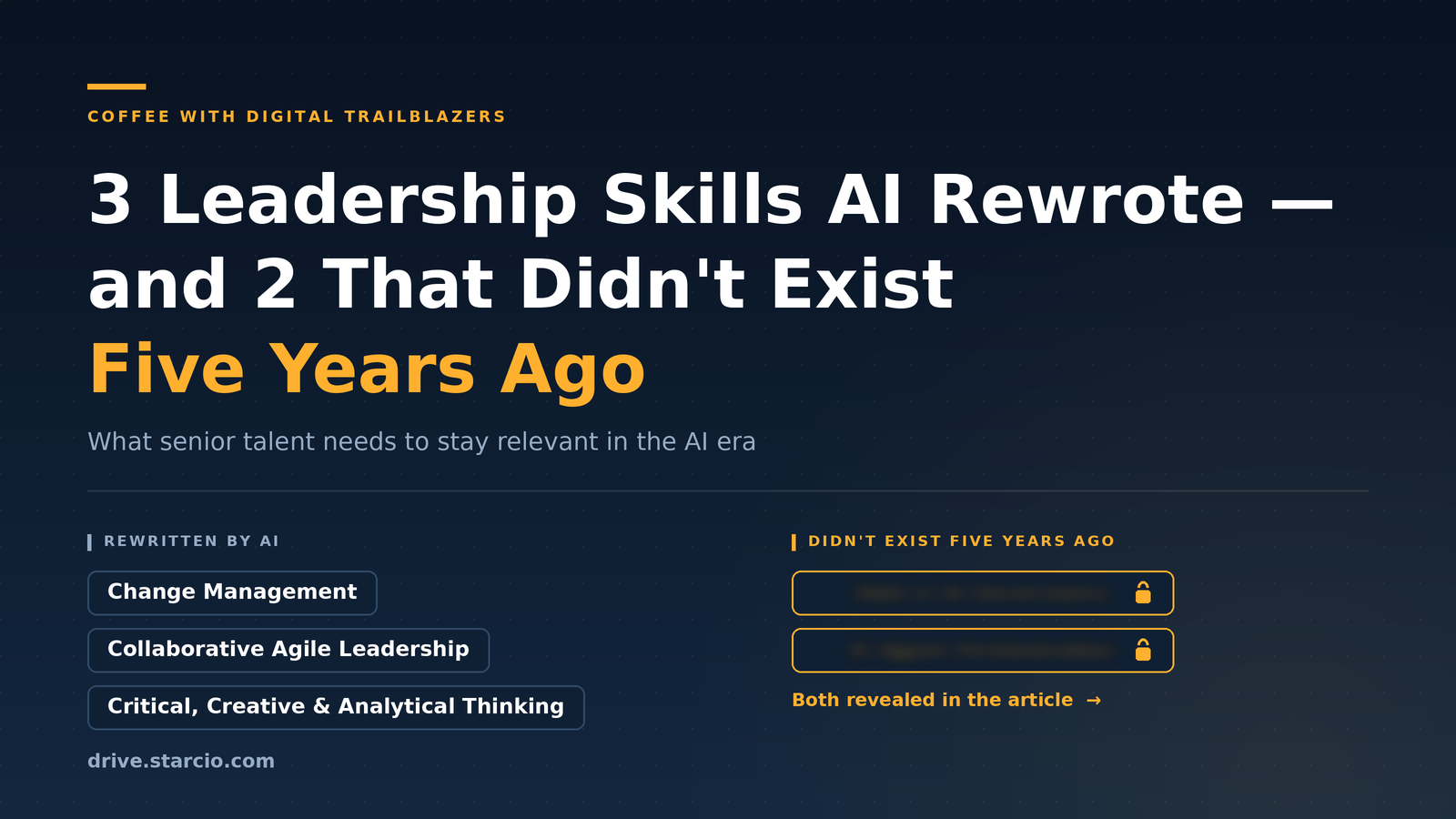
3 Leadership Skills AI Rewrote — and 2 That Didn’t Exist Five Years Ago
The discussion at Coffee With Digital Trailblazers emphasized the need for mid-career leaders to reskill, focusing on leadership skills tailored for the AI era. Essential skills identified include change management, critical thinking, data governance, and AI agent orchestration, highlighting how AI reshapes leadership roles and enhances business value.
-

AI Companies Bet on Subscriptions: Many Will Repeat SaaS’s Worst Mistakes
SaaS and AI companies increasingly adopt subscription models, often incorporating usage-based pricing. While these models can be beneficial, success relies on delivering real value and aligning pricing with actual usage. Continuous customer support and reducing friction are crucial for retaining customers and driving ongoing engagement in subscription-based businesses.
-

Scoring AI ROI in Customer Experience: What CIOs Need to Know
CIOs are missing significant ROI opportunities in customer experience, particularly in contact centers, which require attention beyond just infrastructure. Engaging with call center agents and analyzing KPIs can uncover areas for improvement. AI innovations from Verint have demonstrated substantial financial benefits, enhancing efficiency and customer satisfaction. Emphasizing AI in contact centers presents a valuable opportunity…
-
5 Essential Questions for CIOs on Planning IT Careers in the AI Era
The rise of AI in IT roles is causing concern among employees about job security and their future IT careers. While CIOs are improving employee skills and career development, a structured career planning approach is lacking. AI is transforming roles, necessitating a focus on new skills and leadership capabilities for future growth.
-
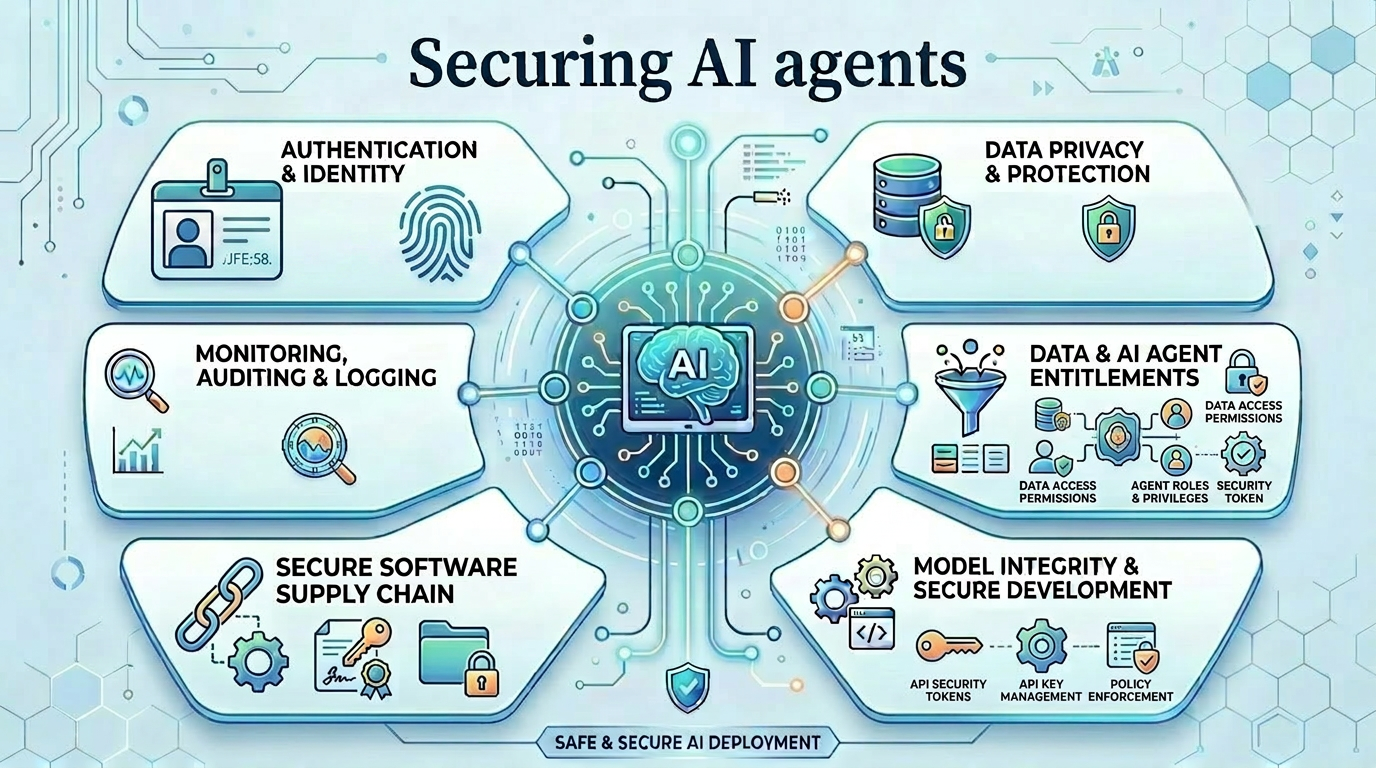
6 Key Requirements for Securing AI Agents Before the POC
At a recent Coffee With Digital Trailblazers episode, we emphasized essential security measures for AI agents, urging organizations to adopt a security-by-design approach. Key recommendations include creating distinct identities for AI agents, enforcing least-privilege access, maintaining strong data governance, and implementing robust observability to monitor AI performance and prevent risks associated with autonomy.
-
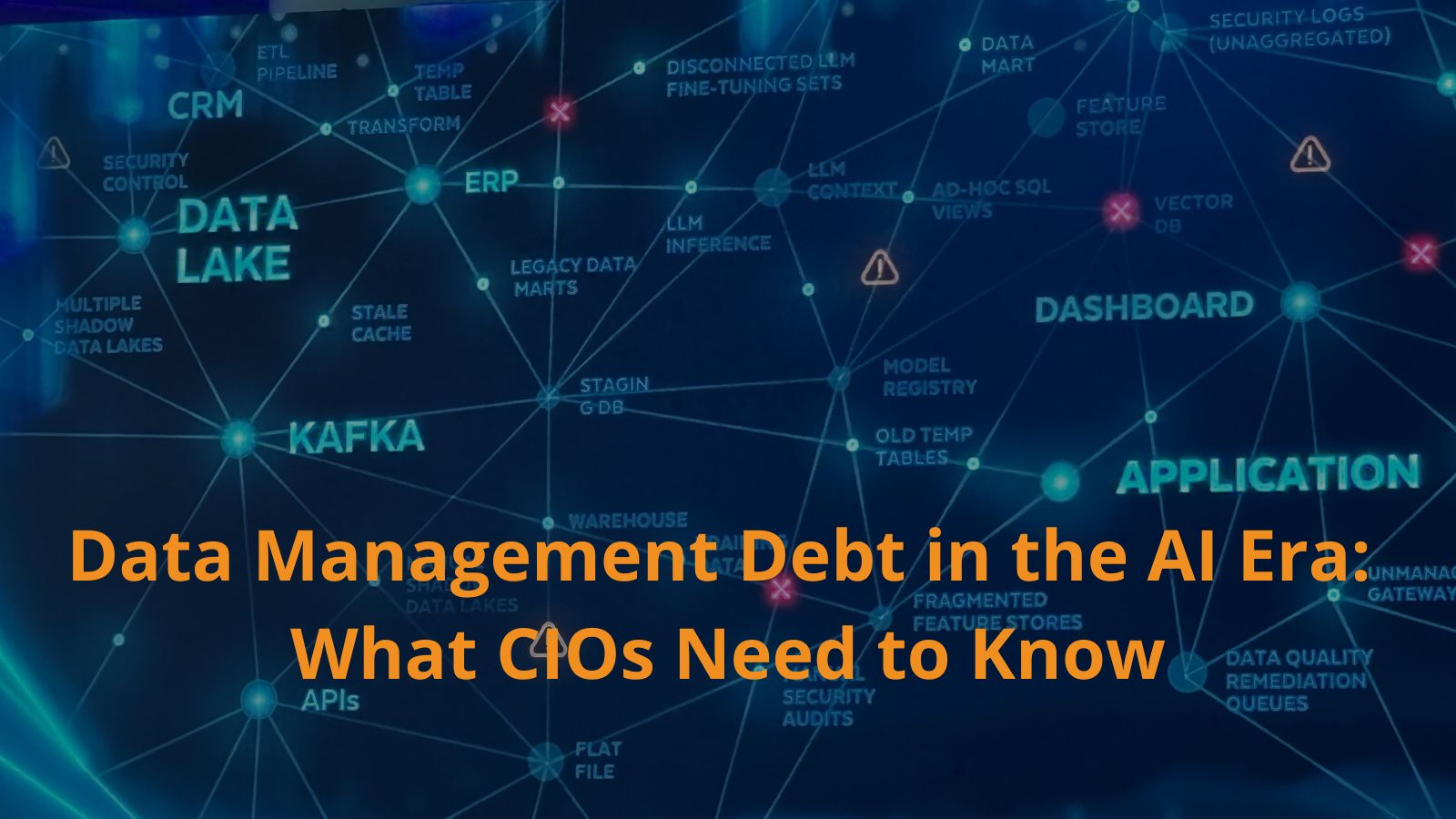
Data Management Debt in the AI Era: What CIOs Need to Know
CIOs in large enterprises and SMBs face significant data management issues, often referred to as data management debt, which complicates AI initiatives. Poor data governance and reliance on various tools hinder productivity. Snowflake offers solutions such as CoCo for data builders and CoWork for knowledge workers, aiming to streamline data handling and promote centralized data…