

Category: Low-code and automation
-
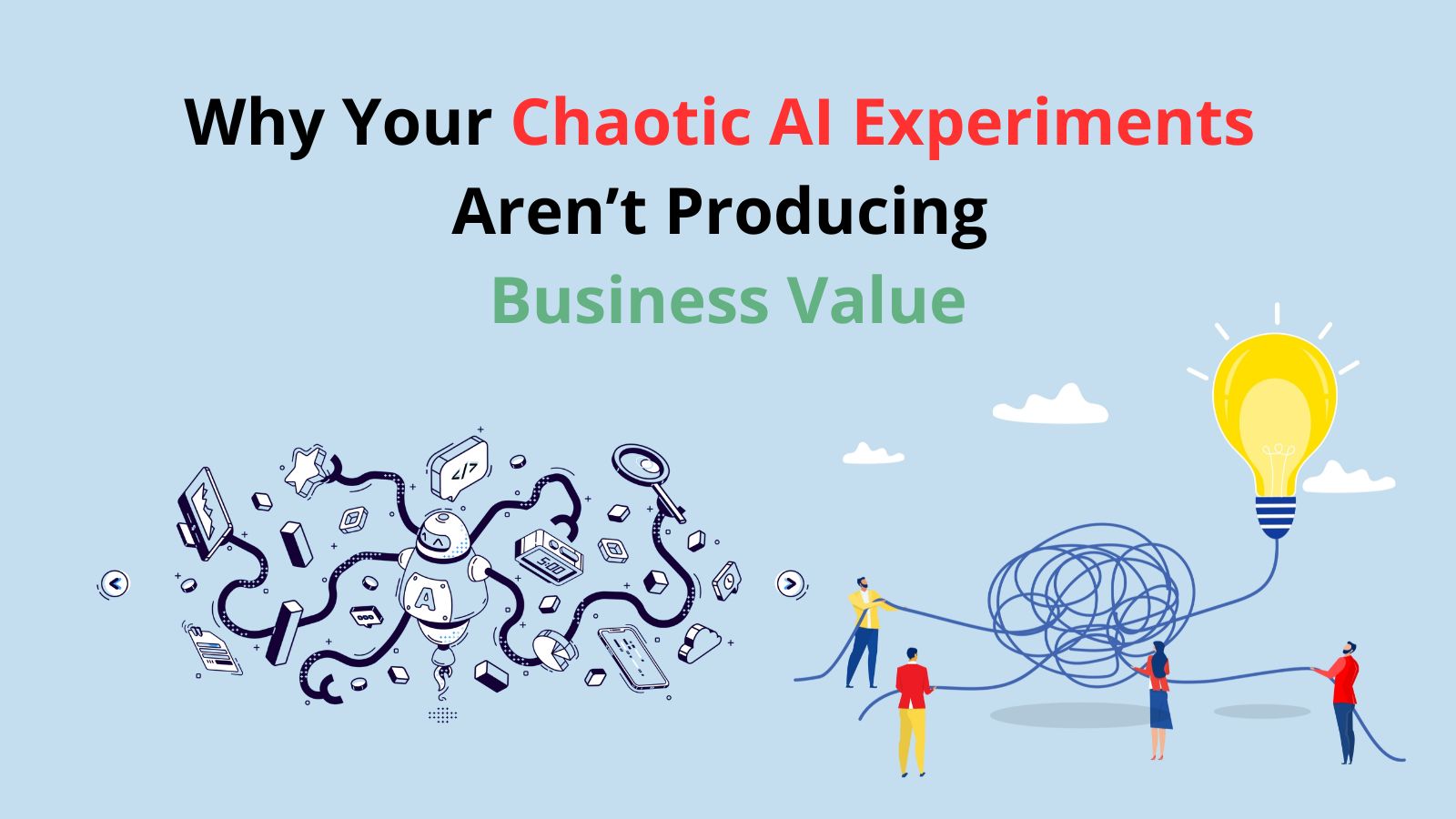
Why Your Chaotic AI Experiments Aren’t Producing Business Value
Organizations are grappling with AI strategy implementation, torn between extensive experimentation and focused deployment. A McKinsey report highlights that only a small percentage of companies scale AI effectively, with larger enterprises leading. The StarCIO Vision Statement Template offers a streamlined method for evaluating AI initiatives, supporting growth while minimizing risks and complexity.
-
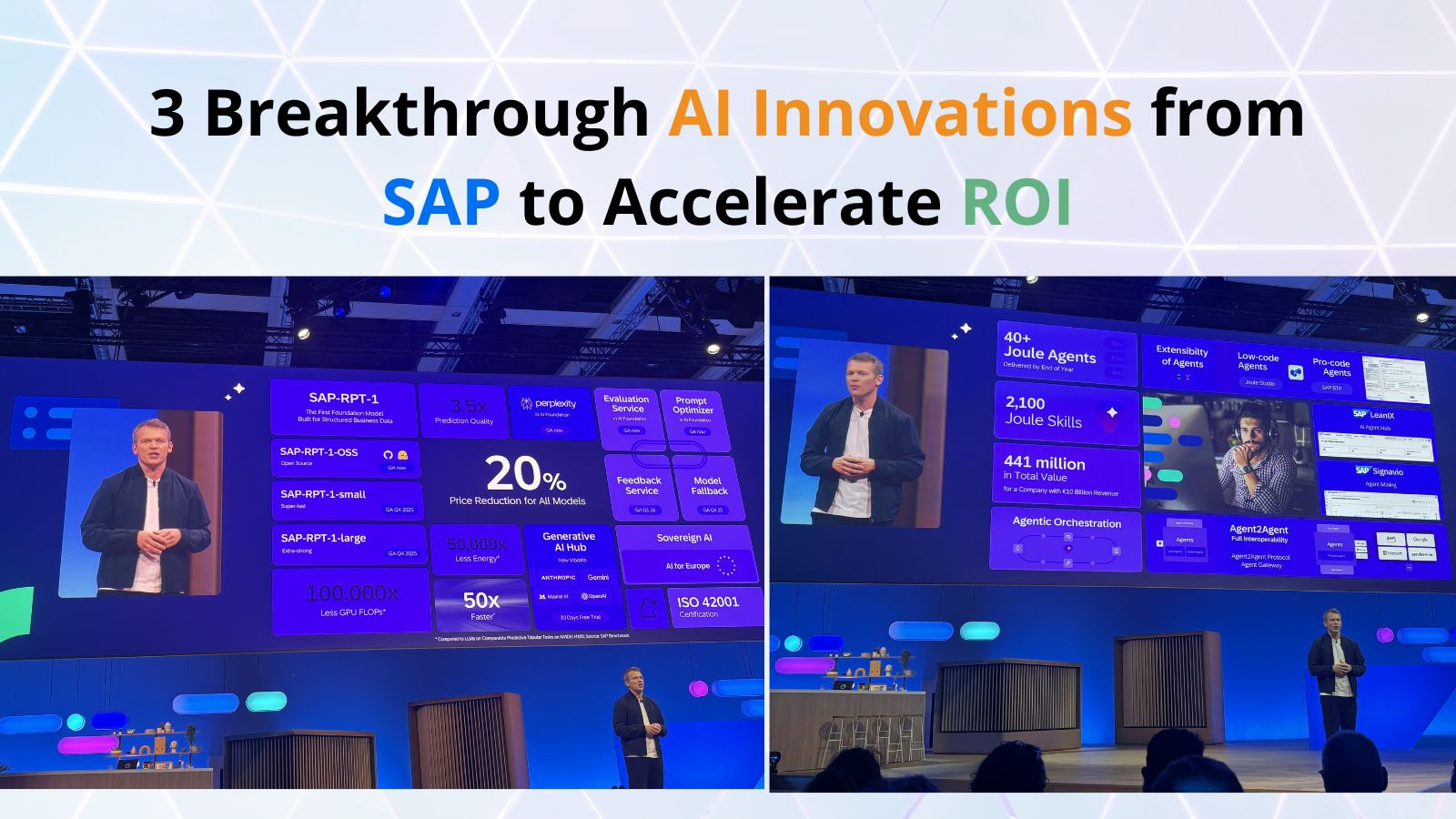
3 Breakthrough AI Innovations from SAP to Accelerate ROI
CIOs are under pressure to demonstrate AI investments ROI and business value. While AI job impacts and integration challenges exist, improving developer productivity and agile team velocity can yield better ROI. SAP’s Business Technology Platform offers tools and innovations to accelerate AI implementation and adoption across enterprises, driving digital transformation.
-

Culture Change: 4 Ways to Overcome Tribal Knowledge and Inspire Developing Expertise
Organizations encounter knowledge-sharing issues, often resulting in tribal knowledge and outdated processes. Digital leaders advocate for cultural change, emphasizing expertise sharing to enhance innovation and efficiency. Solutions include dynamic management practices, centralized documentation, AI integration, and incentivizing knowledge sharing. Leaders must prioritize community over documentation for sustained growth.
-

How Smarter Employees and Integrated AI Agents Will Team Up in the New Work Day
At Workday’s 20th anniversary event, CEO Carl Eschenbach emphasized the future of work as AI-driven and human-focused. Key executives discussed the importance of change management, AI literacy, and the integration of AI agents to drive operational benefits. Workday introduced innovative tools like Workday Build to support this transformative shift in businesses.
-
From Vision to Value: A Practical Blueprint for Developing AI Agents
Organizations are increasingly developing strategic AI agents to enhance customer and employee experiences. A hybrid approach involving both build and buy methods is essential for success. Key steps include defining roles, unifying information access, connecting to APIs, and implementing continuous testing. Avoiding development pitfalls will drive effectiveness and improve satisfaction across various sectors.
-

3 Hidden Workarounds Killing Productivity And How to Spot The Manual Work
Organizations often struggle with gray work—unstructured, manual tasks that hinder productivity. Employees face inefficiencies due to data movement between systems and lack of integrated tools. As software investments rise, many feel overwhelmed, emphasizing the need for dynamic work management solutions. Identifying gray work areas can lead to more efficient workflows and decision-making.
-
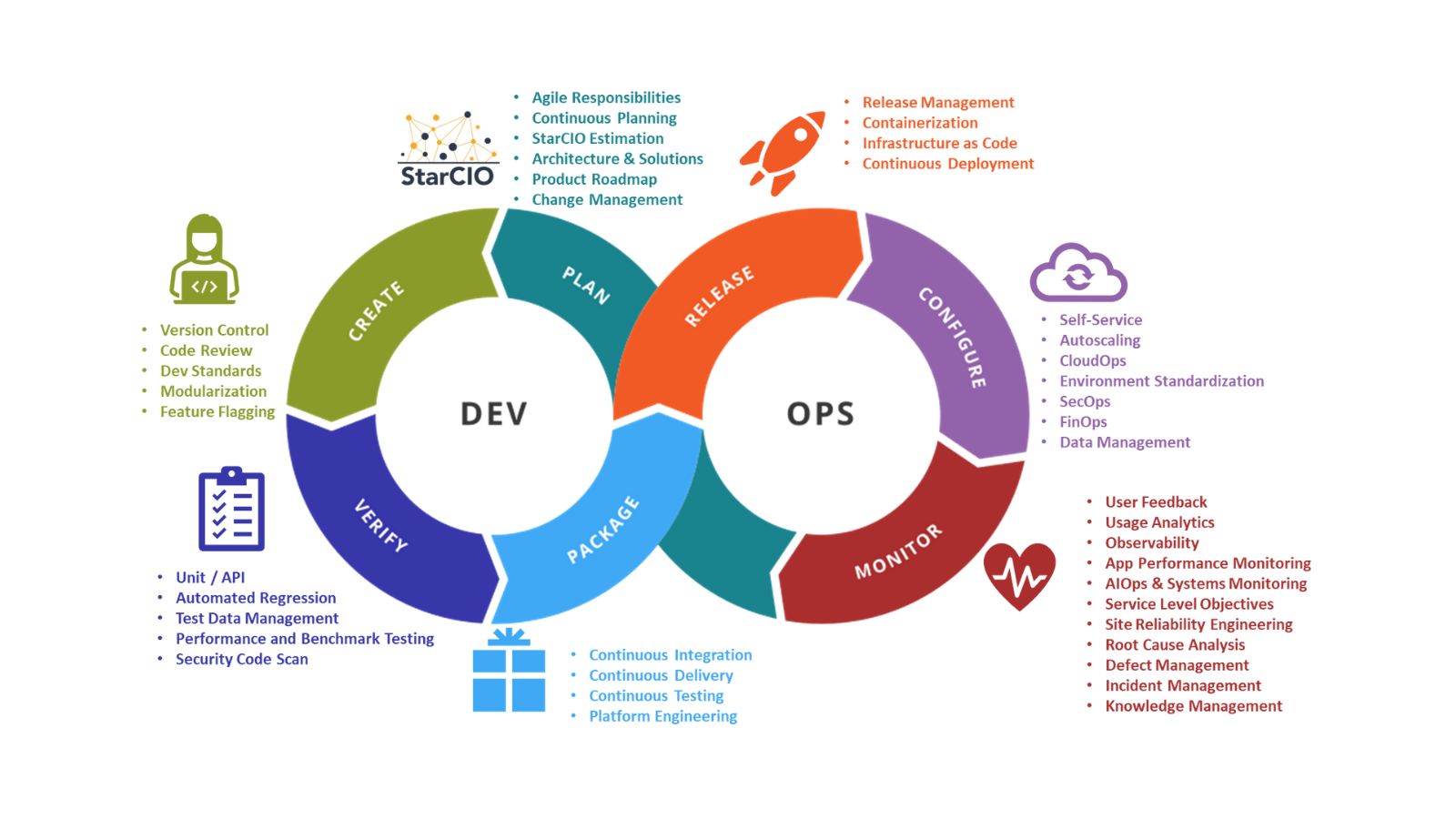
What Smart CIOs Know About DevOps That Everyone Else Misses
The evolving landscape of DevOps practices, requires CIOs to prioritize and clarity implementation objectives. It highlights the complexities introduced by various methodologies and the importance of striking a balance between necessary practices and overinvestment. Simplifying requirements and focusing on minimal viable practices can yield significant benefits for organizations.
-
From SaaS Sprawl to AI Strategy: How CIOs Consolidate and Gain Agility
SaaS sprawl and gray work significantly hinders productivity and collaboration, particularly in sectors like construction and manufacturing. Midsize organizations average 61 SaaS applications, with larger firms using about 200. CIOs are urged to audit their app inventory, reduce redundancy, and invest in low-code platforms to streamline operations and enhance digital transformation efforts.
-

How Appian is Inspiring with AI Agents and Transforming Low-Code App Development
The future of low-code app development is evolving with AI code generators, enabling easier, sophisticated, and scalable app creation. Appian emphasizes collaboration with AI agents to develop proprietary processes. Their AI-driven Appian Composer facilitates iterative app design, focusing on outcomes through value-based storytelling, enhancing customer experience and digital transformation.
-

This Most Boring Gen AI Use Case Saves Millions in Regulated Industries
By 2025, generative AI will drive significant business value, focusing on practical, less glamorous use cases like document processing, intelligent automation, and AI agents. These advancements promise to increase accuracy and reduce costs, particularly in regulated industries like financial services, insurance, and life sciences. Private AI implementation within secure environments will be essential for maximizing…
-

From Gray Work to Growth: Enabling Pragmatic AI in Construction and Manufacturing
The construction and manufacturing sectors are experiencing growth, with significant job additions and positive production forecasts. However, they face complexity due to multiple stakeholders, low margins, and evolving regulations. Utilizing dynamic work management and pragmatic AI can streamline operations and address inefficiencies, ultimately enhancing productivity and safety in these industries.
-
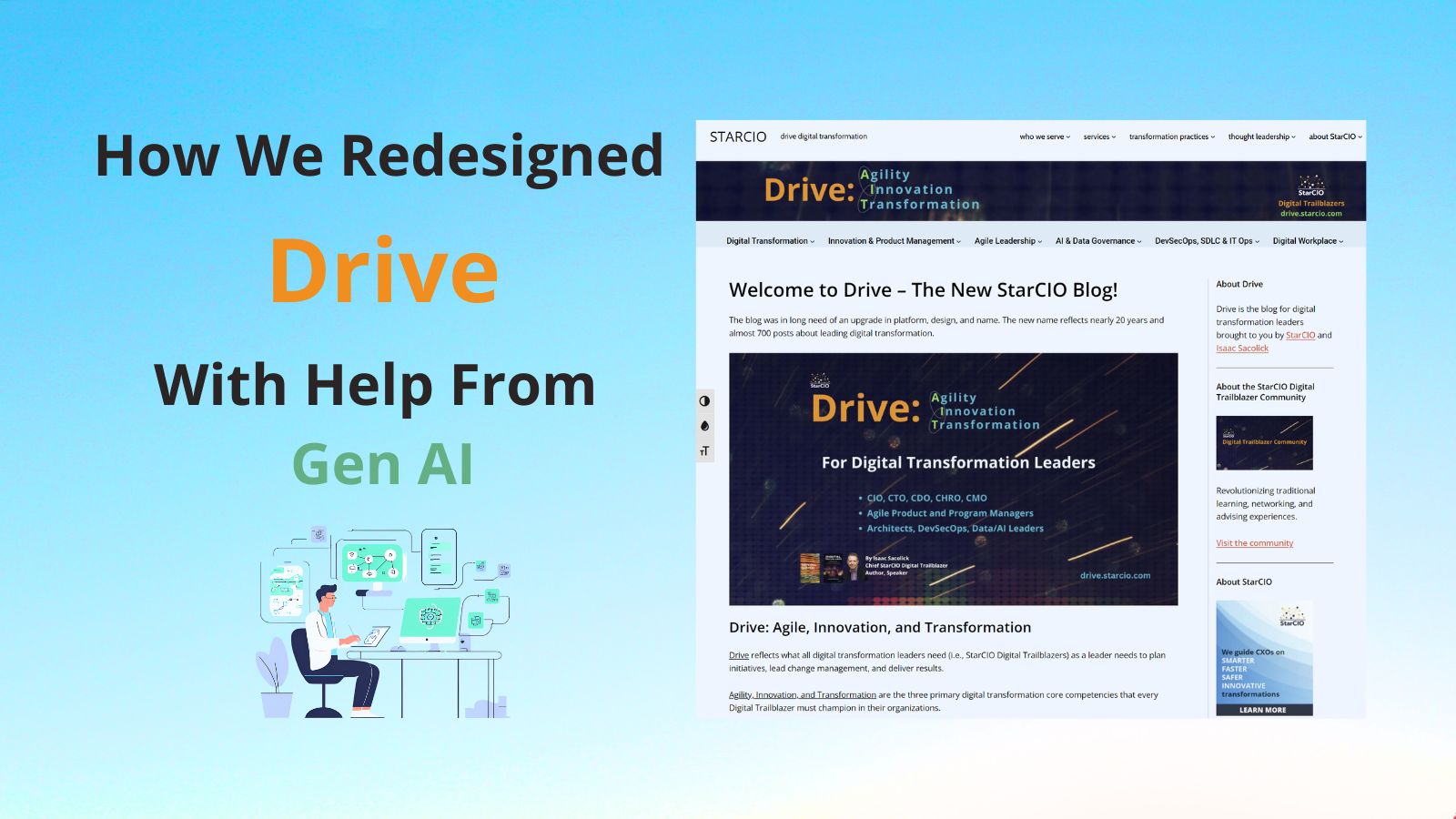
How We Redesigned “Drive” With Help From Gen AI
How Isaac Sacolick and team rebrand, redesign, and replatform his 700 post blog with tech assistance from Gen AI like ChatGPT and autimation like Zapier and Quickbase. They enhance the information architecture, establish the StarCIO Digital Trailblazer Community, and launch “Drive,” the redesigned blog for digital transformation leaders.