

Category: CIO
-
Under Fire! Provocative Lessons for CIOs to Transform IT in the AI Era
CIOs must adapt their digital operating model for this AI era. In the past week, major tech companies reported impressive revenue growth thanks to AI, yet significant job losses in white-collar sectors were noted as AI accelerates workforce changes. CIOs should be prioritizing an agile, product-focused approach while rethinking governance and collaboration across departments to…
-

Courage to Adapt: The 20+ Leadership Hats CIOs, CISOs, and CDOs Wear
CIOs, CISOs, and CDOs must embody over 20+ distinct leadership roles to effectively adapt to varying scenarios. This includes responsibilities as visionary leaders, problem solvers, and crisis managers. Successful C-leaders develop situational awareness, balancing innovation with team support, and continuously navigating complex challenges in technology and organizational dynamics.
-
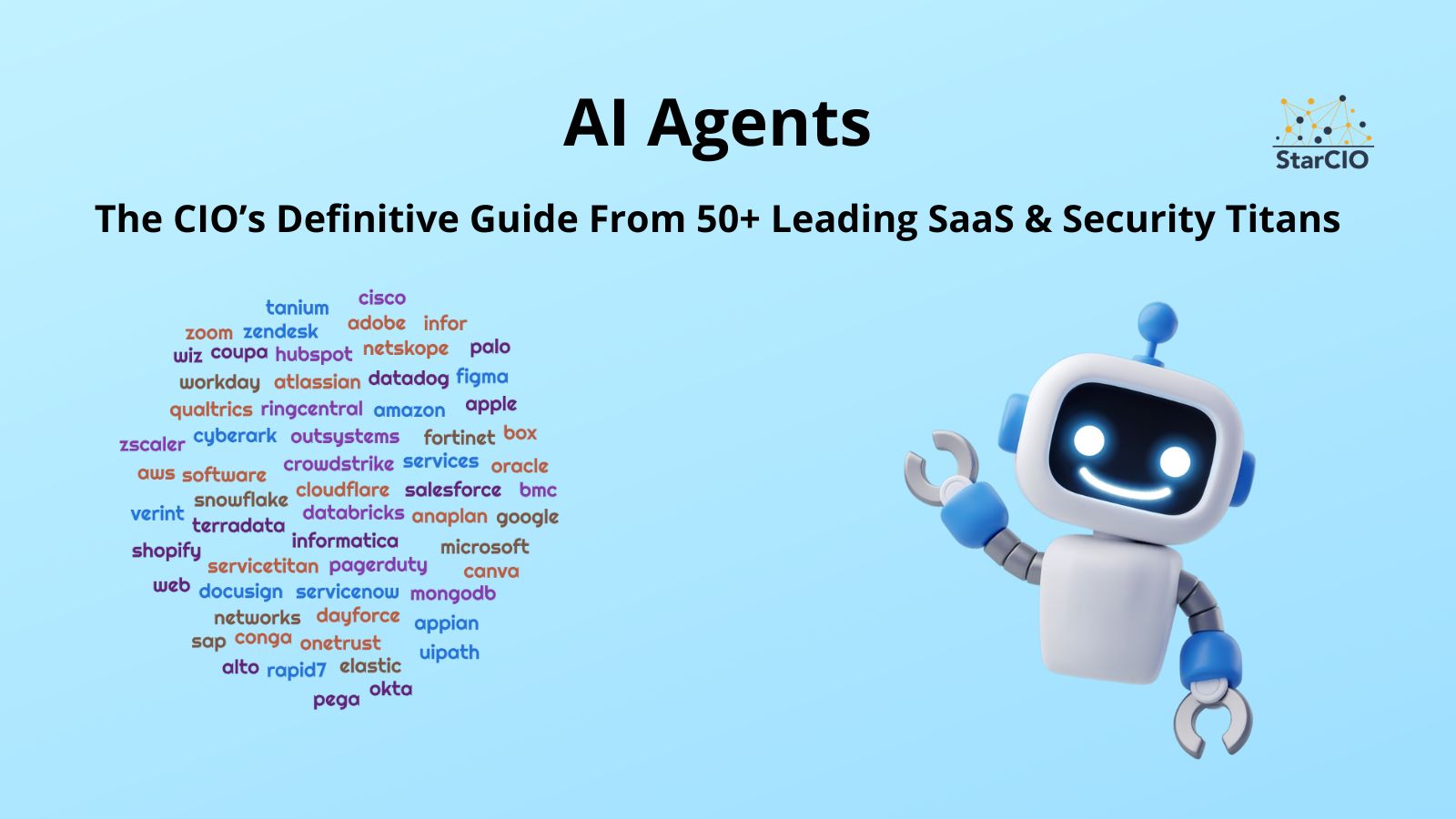
AI Agents: The CIO’s Definitive Guide From 50+ Leading SaaS & Security Titans
A comprehensive list of AI agents for CIOs from major tech and security firms exceeding $500M in ARR. It highlights the importance of differentiating between agentic AI and standard chatbots, while offering recommendations for CIOs on effectively integrating AI agents into existing workflows and governance strategies for optimal business outcomes.
-
7 Essential Principles for Creating Responsible and Trustworthy AI Agents
To create trustworthy and responsible AI agents, establish your development and design principles for your agile teams to follow. This involves using validated datasets, ensuring data quality, complying with regulations, and embedding safeguards. Enterprises are encouraged to collaborate with experts, engage end-users in the process, and focus on narrow, specific applications to maximize effectiveness and…
-
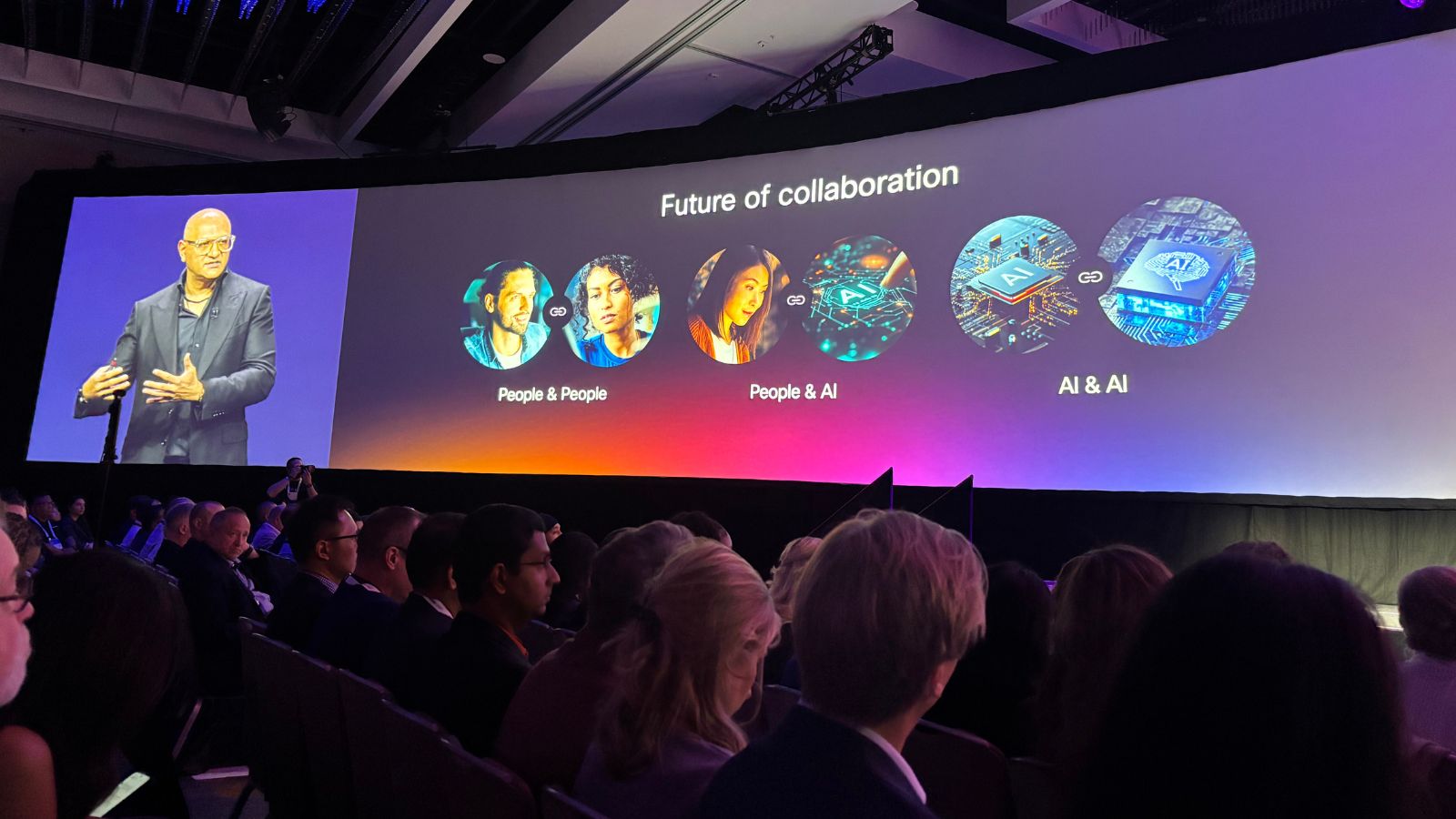
Cisco Webex’s Bold and Pragmatic AI Agents Driving the Future of Work
Cisco Webex emphasizes the transformative impact of AI agents on the future of work, particularly through its Webex Suite and Customer Experience platforms. Key partnerships with Zoom, Microsoft., and Salesforce. Innovations such as five AI Agents, AI Canvas, and AI Director . Cisco’s initiative demonstrates the potential for AI to revolutionize collaboration and customer service…
-

Culture Change: 4 Ways to Overcome Tribal Knowledge and Inspire Developing Expertise
Organizations encounter knowledge-sharing issues, often resulting in tribal knowledge and outdated processes. Digital leaders advocate for cultural change, emphasizing expertise sharing to enhance innovation and efficiency. Solutions include dynamic management practices, centralized documentation, AI integration, and incentivizing knowledge sharing. Leaders must prioritize community over documentation for sustained growth.
-

How Smarter Employees and Integrated AI Agents Will Team Up in the New Work Day
At Workday’s 20th anniversary event, CEO Carl Eschenbach emphasized the future of work as AI-driven and human-focused. Key executives discussed the importance of change management, AI literacy, and the integration of AI agents to drive operational benefits. Workday introduced innovative tools like Workday Build to support this transformative shift in businesses.
-
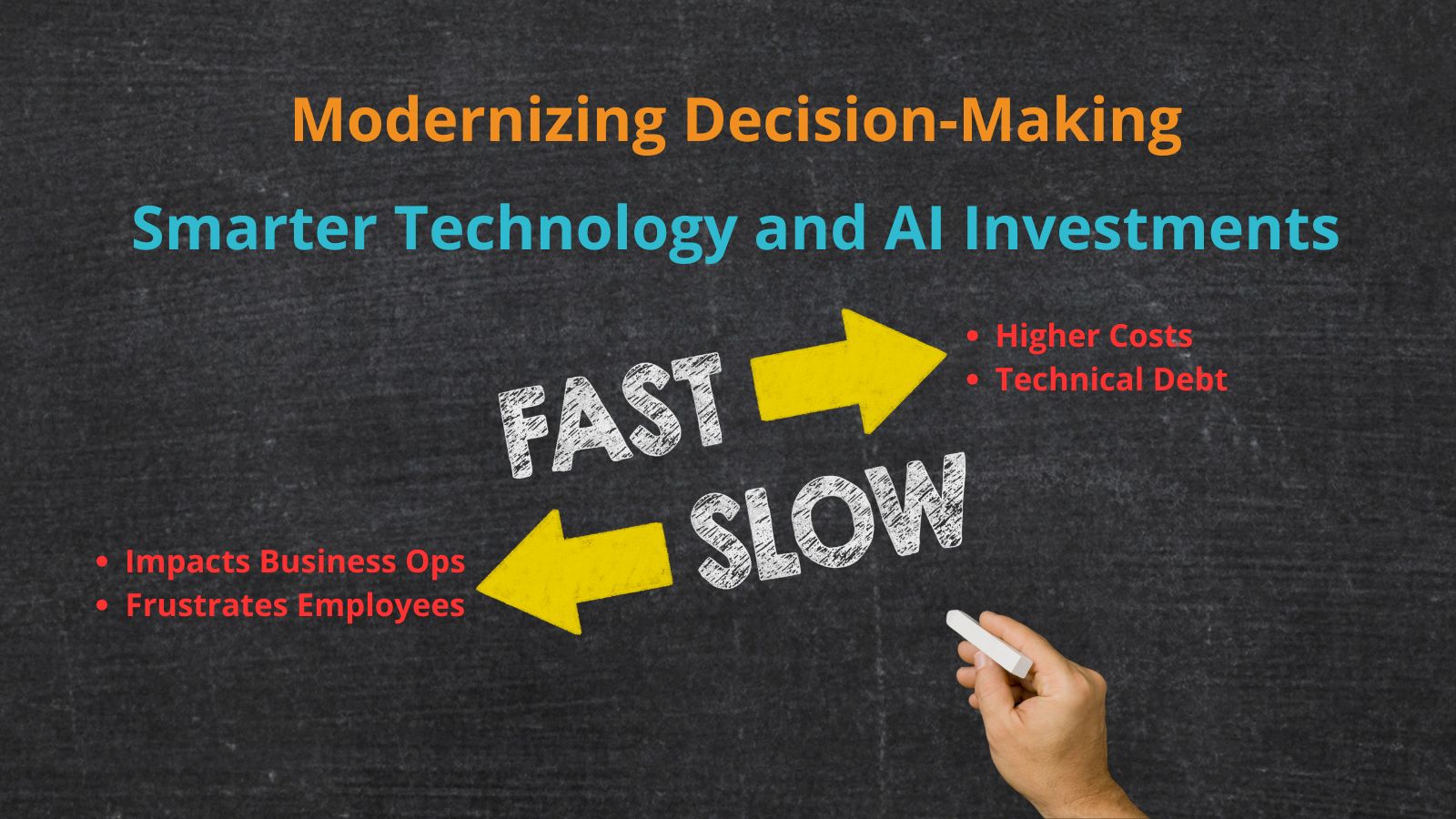
Modernizing How to Make Smarter Technology and AI Investments
Organizations need to reevaluate their technology and AI investment processes to avoid slow consensus or impulsive procurement. CIOs should focus on outcomes over features, ensuring alignment with business goals and security. Streamlining evaluation and procurement phases will aid effective technology selections, supporting agile testing and integration for transformative results.
-
From Vision to Value: A Practical Blueprint for Developing AI Agents
Organizations are increasingly developing strategic AI agents to enhance customer and employee experiences. A hybrid approach involving both build and buy methods is essential for success. Key steps include defining roles, unifying information access, connecting to APIs, and implementing continuous testing. Avoiding development pitfalls will drive effectiveness and improve satisfaction across various sectors.
-
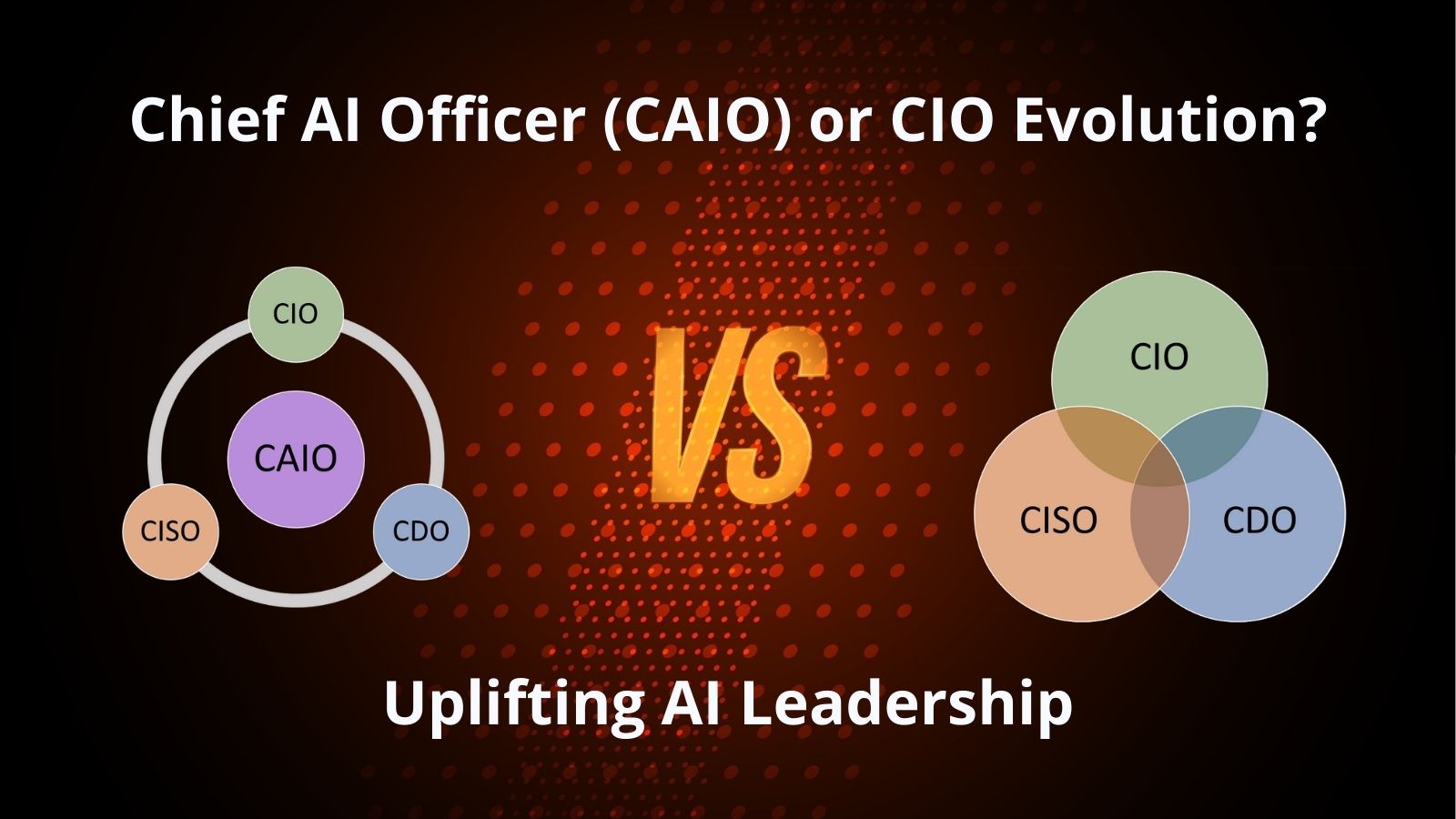
Chief AI Officer (CAIO) or CIO Evolution? Uplifting AI Leadership
Do organizations need a chief AI officer (CAIO)?, or should CIO, CDO, and CISO handle AI strategy? The CIO’s role in leading AI initiatives, promotes collaboration among C-level leaders, including the CDO and CISO, and adding CAIOs may complicate decision-making. Experts offer differing views on the necessity of CAIOs.
-
The Disastrous GenAI ROI Problem—And 3 Research-Backed Changes CIOs Must Lead
Generative AI is in the trough of disillusionment, with CIOs struggling to deliver genAI ROI from their investments.. Recommendations include focusing on change management, targeting growth opportunities, and fostering partnerships for effective AI implementation. Ensuring employee engagement and defining roles for success in the generative AI era are crucial for organizations.
-

Top 7 Leadership Mistakes When Assigning People to Agile Teams
CIOs and CTOs often face challenges in staffing agile teams effectively, making compromises to meet objectives and stakeholder demands. Successful agile team management requires clear leadership roles and alignment with business goals. Key mistakes include misassigning team members, creating operational silos, and failing to adequately train leaders, which can hinder team performance and innovation.