

Category: CIO
-

How and Why to Create an Agile Risk Registry in Jira or Azure DevOps
Agile methodologies like Scrum enhance team focus on short-term priorities, but they lack a formal mechanism for discussing risks in releases. A risk registry can be vital for capturing and managing potential issues around project delivery and operational efficacy. Effective management of these risks can significantly improve agile outcomes across teams.
-

AI Digital Dexterity: Upskilling the Next Wave of Transformation Leadership
Digital dexterity is a crucial meta-skill for effective leadership in the genAI era. Leaders need adaptability, a willingness to experiment, and enhanced communication about AI’s role in their organizations. Emphasizing critical thinking and digital literacy is vital for preparing teams for AI’s rapid evolution, moving away from traditional management methods.
-
Avoid Rogue AI Agents: How Top CIOs Can Govern the Emerging Agentic Ecosystem
CIOs face critical challenges in managing rogue AI agents emerging from various platforms, highlighting the need for comprehensive digital transformation strategy and AI governance. Experts emphasize the importance of unifying data controls, assessing agent types, and maintaining dynamic oversight to prevent chaos, while harnessing AI’s potential for innovation and efficiency across organizations.
-

3 Hidden Workarounds Killing Productivity And How to Spot The Manual Work
Organizations often struggle with gray work—unstructured, manual tasks that hinder productivity. Employees face inefficiencies due to data movement between systems and lack of integrated tools. As software investments rise, many feel overwhelmed, emphasizing the need for dynamic work management solutions. Identifying gray work areas can lead to more efficient workflows and decision-making.
-
10 Important AI Architecture Rules You Can’t Ignore in the GenAI Era
Experts share essential rules for AI architecture, emphasizing the significance of incremental AI implementation, flexibility, and robust governance. Architects should avoid rigid requirements, ensure data integrity, design modular systems, and prioritize reliability through continuous monitoring. These principles facilitate the successful integration of AI while minimizing future technical debt and risks.
-

How My Breakthrough Course Will Empower Digital Transformation Leaders in the AI Era
Digital transformation is now more crucial than ever in the AI era, shifting from a project mindset to an ongoing strategy for organizations. The introduction of AI enhances the need for continuous evolution in business operations, with leadership programs focusing on integrating AI, facilitating culture change, and tracking meaningful outcomes.
-
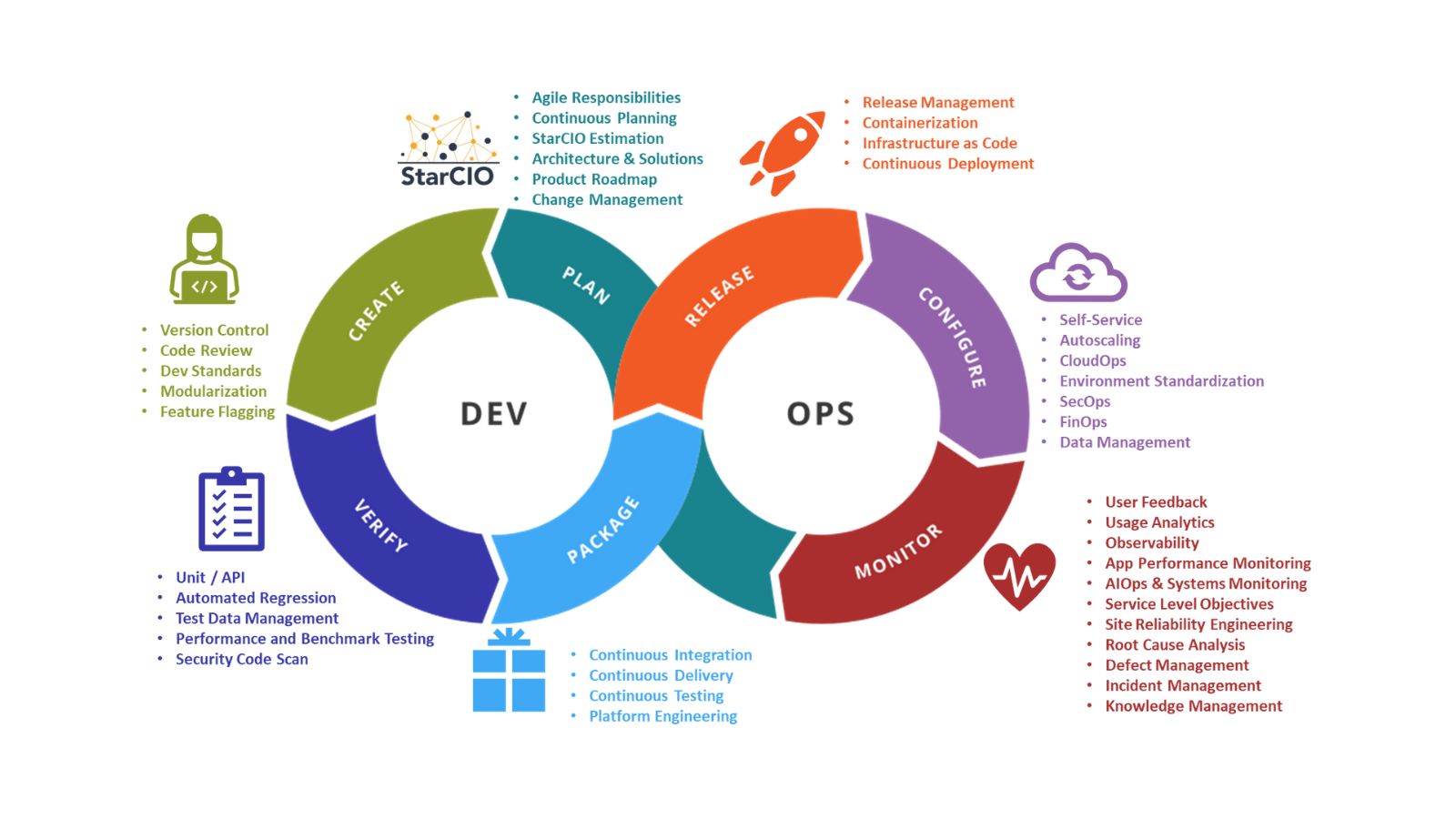
What Smart CIOs Know About DevOps That Everyone Else Misses
The evolving landscape of DevOps practices, requires CIOs to prioritize and clarity implementation objectives. It highlights the complexities introduced by various methodologies and the importance of striking a balance between necessary practices and overinvestment. Simplifying requirements and focusing on minimal viable practices can yield significant benefits for organizations.
-
10 Important Data Management Questions for CIOs in the GenAI Era
Navigating the complex landscape of data management platforms is increasingly challenging, with numerous solutions for pipeline monitoring, data governance, and AI integration. Experts emphasize the need for automation, robust governance, and trust in data to ensure efficiency and mitigate risks. CIOs must prioritize these areas to optimize data utilization and AI applications.
-

How to Kill Floundering Experiments and Drive an AI Learning Culture
The low success rate of AI and ML experiments, typically around 30%, often reflects a narrow focus on production deployment. Effective experimentation prioritizes an AI learning culture, value demonstration, and agile delivery methods. Best practices include setting clear success criteria, regular reviews, centralized documentation, and rewarding knowledge sharing to foster an agile AI learning culture.
-
From SaaS Sprawl to AI Strategy: How CIOs Consolidate and Gain Agility
SaaS sprawl and gray work significantly hinders productivity and collaboration, particularly in sectors like construction and manufacturing. Midsize organizations average 61 SaaS applications, with larger firms using about 200. CIOs are urged to audit their app inventory, reduce redundancy, and invest in low-code platforms to streamline operations and enhance digital transformation efforts.
-

SAP Bets Big on AI Agents—Should CIOs Follow?
At Sapphire 2025, SAP introduced 40 AI agents and a Business Data Cloud to address integration challenges for CIOs. Emphasizing productivity, SAP aims for strategic AI investments for decision-making in rapid data environments, asserting the end of traditional best-of-breed application and integration approaches.
-
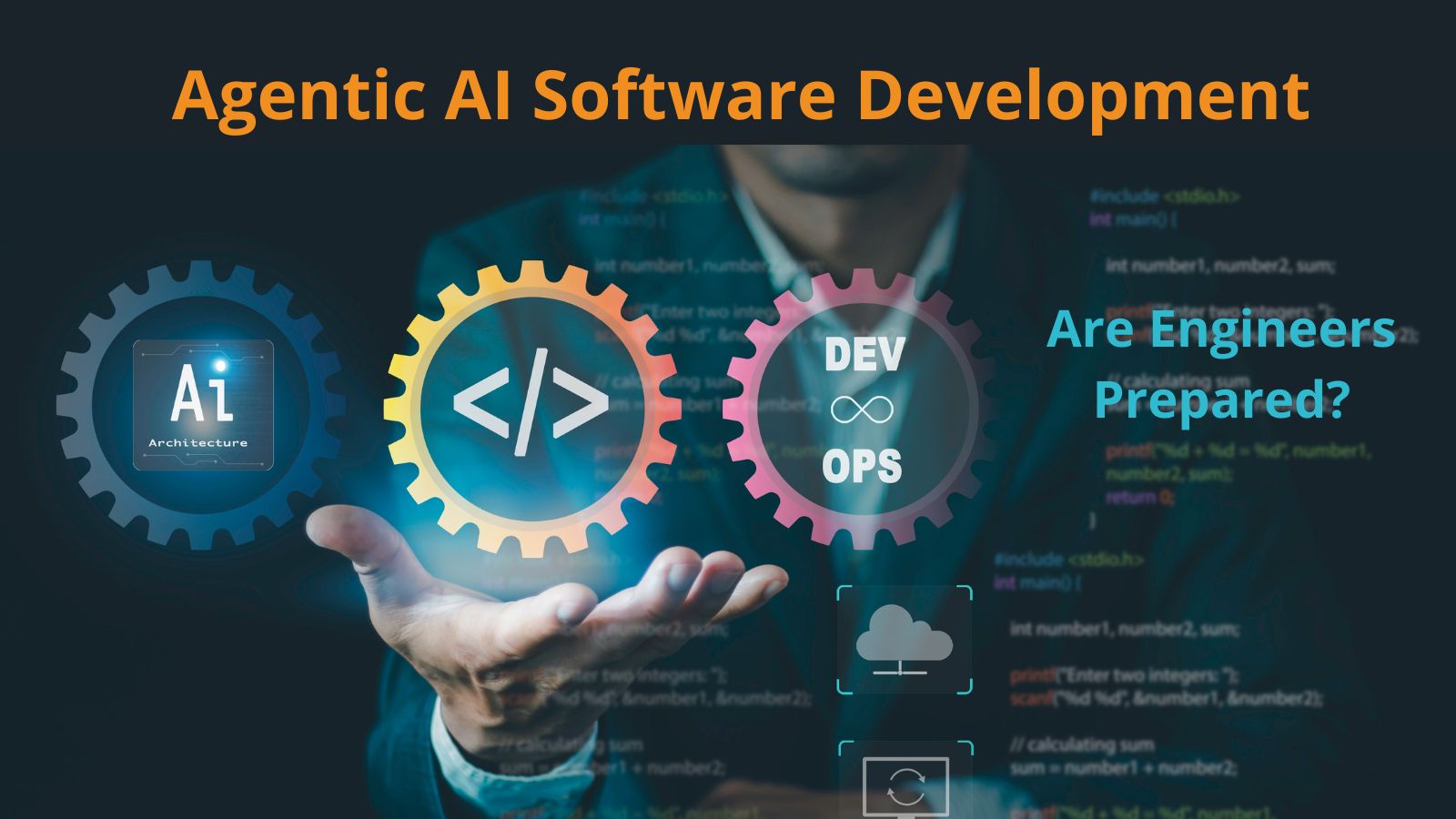
Are Engineers Prepared for the Emerging Agentic AI Software Development World?
Agentic AI software development is revolutionizing low-code and no-code platform capabilities. Reports indicate a significant rise in AI-assisted coding among developers. As AI agents become more autonomous, traditional coding may decline, posing questions about the future roles of software engineers and enhancing business capabilities.