

Category: Delivery Leader
-
AI Coding Competencies: What Inspires Awe — and 5 Ways They Spark Dread
The rise of AI in coding has sparked awe and concern among developers. While AI tools like Claude and Codex enhance coding efficiency, experts fear issues such as trust in AI-generated code, security risks, and potential loss of coding discipline. Ultimately, developers must ensure rigorous reviews to mitigate these risks.
-

Is AI Putting Your Leadership Job at Risk—or Opening Your Biggest Career Opportunity?
Reflecting on pivotal moments in careers and current industry shifts affecting Digital Trailblazers. Key factors include advancements in AI, a significant decline in VC funding, rising unemployment, and CEO turnover. These changes create uncertainties, impacting job security and prompting many to pursue entrepreneurship amidst challenging market conditions.
-
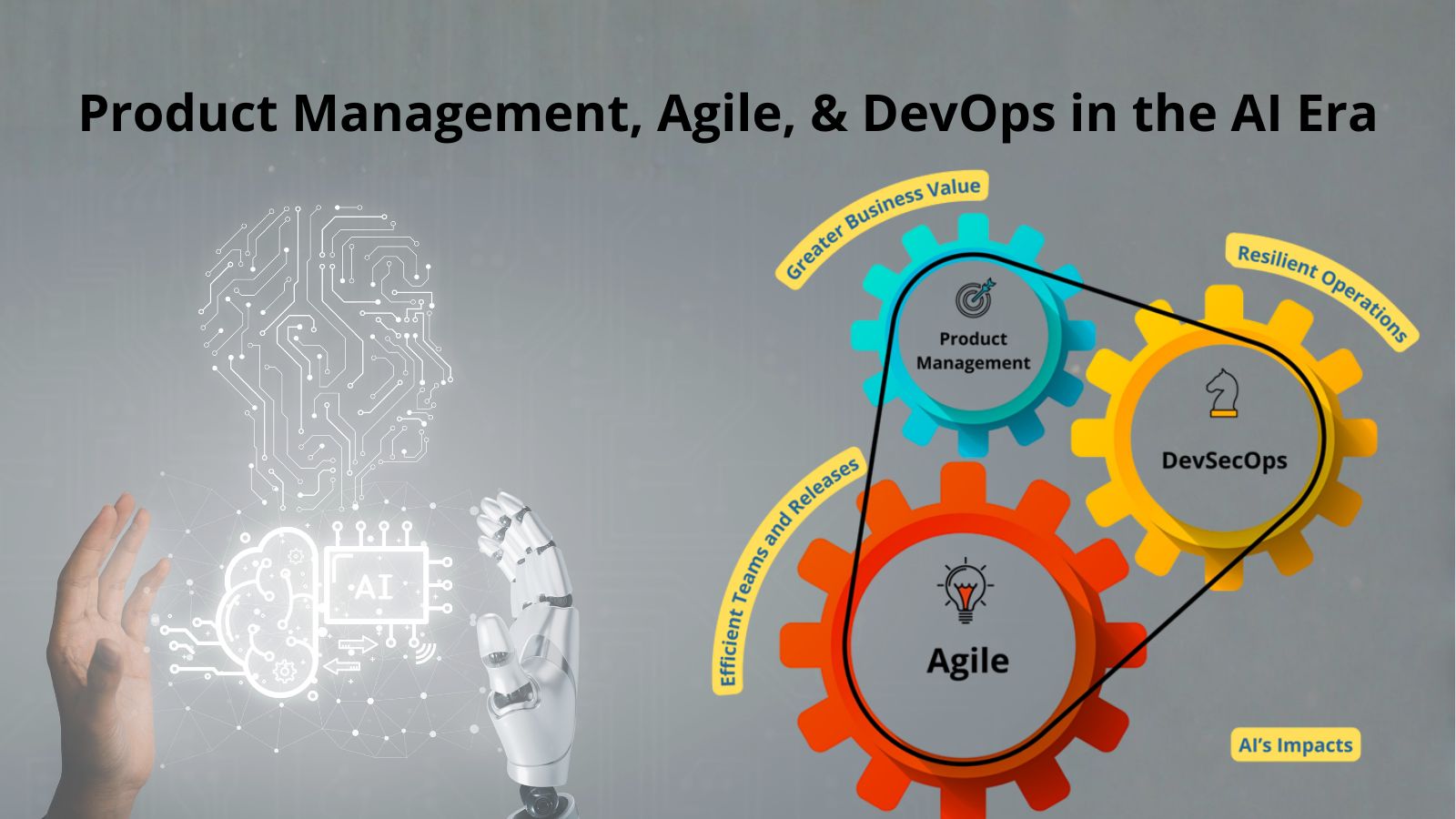
5 Important 2025 Articles on Product Management, Agile, and DevOps in the AI Era
AI is redefining IT, necessitating CIOs to update digital operating models focused on agile methodologies, product management, and DevOps. As businesses aim to enhance ROI and operational efficiency through AI, they must adapt to evolving expectations and implement strategies that embrace innovative delivery and smart leadership practices.
-

Seize Real Advantages: 7 Urgent Reasons to Revisit Agile for the AI Era
Organizations need to revisit their agile practices due to increased complexity and changing business expectations, exacerbated by AI advancements. Key issues include fragmented management, lack of user adoption, DevOps fatigue, excessive roles, inconsistent outcomes, and AI productivity not translating into business impact. Evolving agile approaches is essential for success in today’s landscape.
-

Top 7 Leadership Mistakes When Assigning People to Agile Teams
CIOs and CTOs often face challenges in staffing agile teams effectively, making compromises to meet objectives and stakeholder demands. Successful agile team management requires clear leadership roles and alignment with business goals. Key mistakes include misassigning team members, creating operational silos, and failing to adequately train leaders, which can hinder team performance and innovation.
-

How My Breakthrough Course Will Empower Digital Transformation Leaders in the AI Era
Digital transformation is now more crucial than ever in the AI era, shifting from a project mindset to an ongoing strategy for organizations. The introduction of AI enhances the need for continuous evolution in business operations, with leadership programs focusing on integrating AI, facilitating culture change, and tracking meaningful outcomes.
-
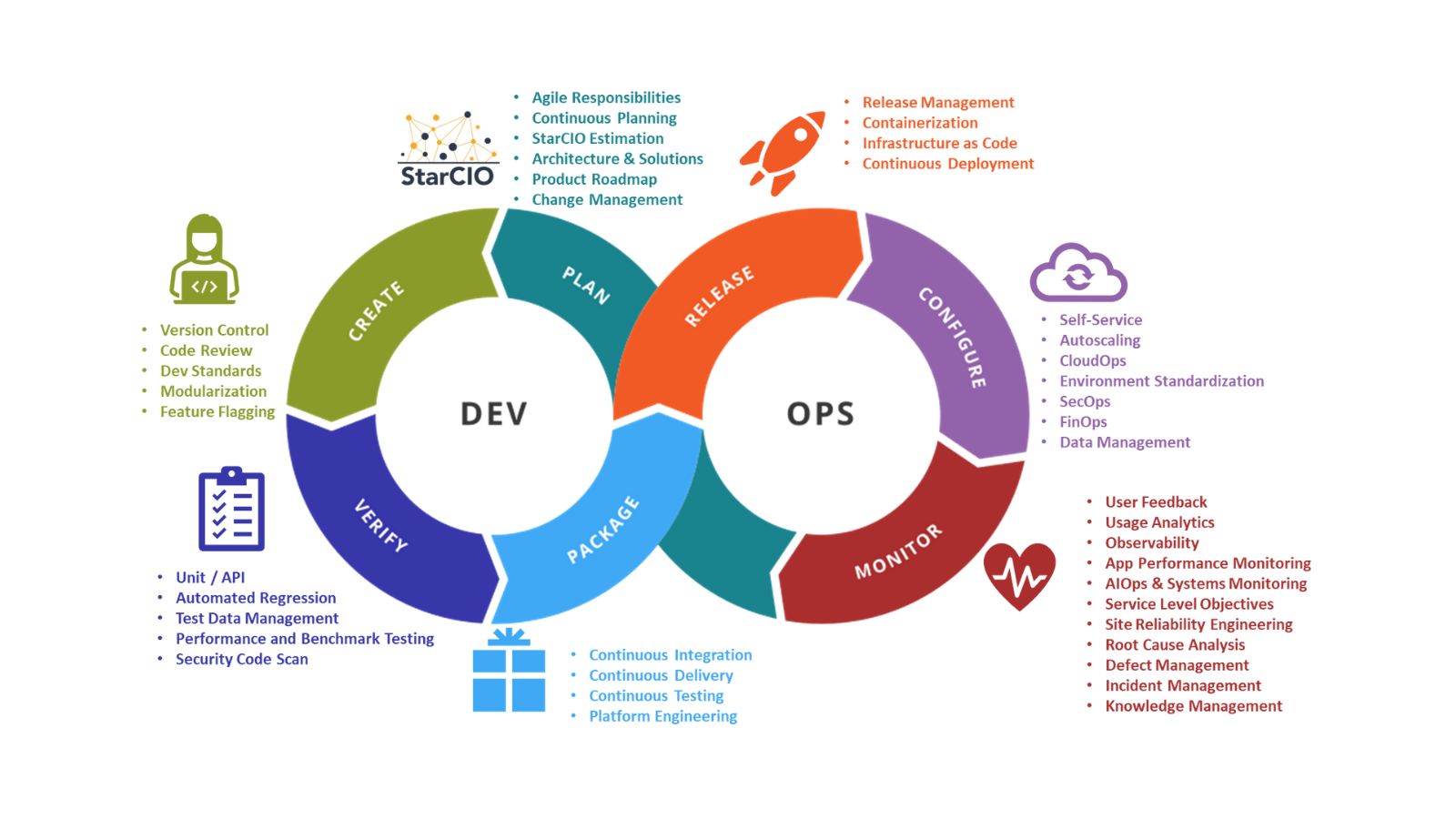
What Smart CIOs Know About DevOps That Everyone Else Misses
The evolving landscape of DevOps practices, requires CIOs to prioritize and clarity implementation objectives. It highlights the complexities introduced by various methodologies and the importance of striking a balance between necessary practices and overinvestment. Simplifying requirements and focusing on minimal viable practices can yield significant benefits for organizations.
-

How to Drive a Smarter, Innovative, and Predictable Agile Delivery Model
Many organizations struggle with evolving their agile delivery model, leading to missed deadlines and customer dissatisfaction. The key issue is teams rush into solving problems without proper planning. To improve, simplify the approach by developing a clear vision, fostering collaboration, and enhancing change management while avoiding jargon and rigid frameworks.
-
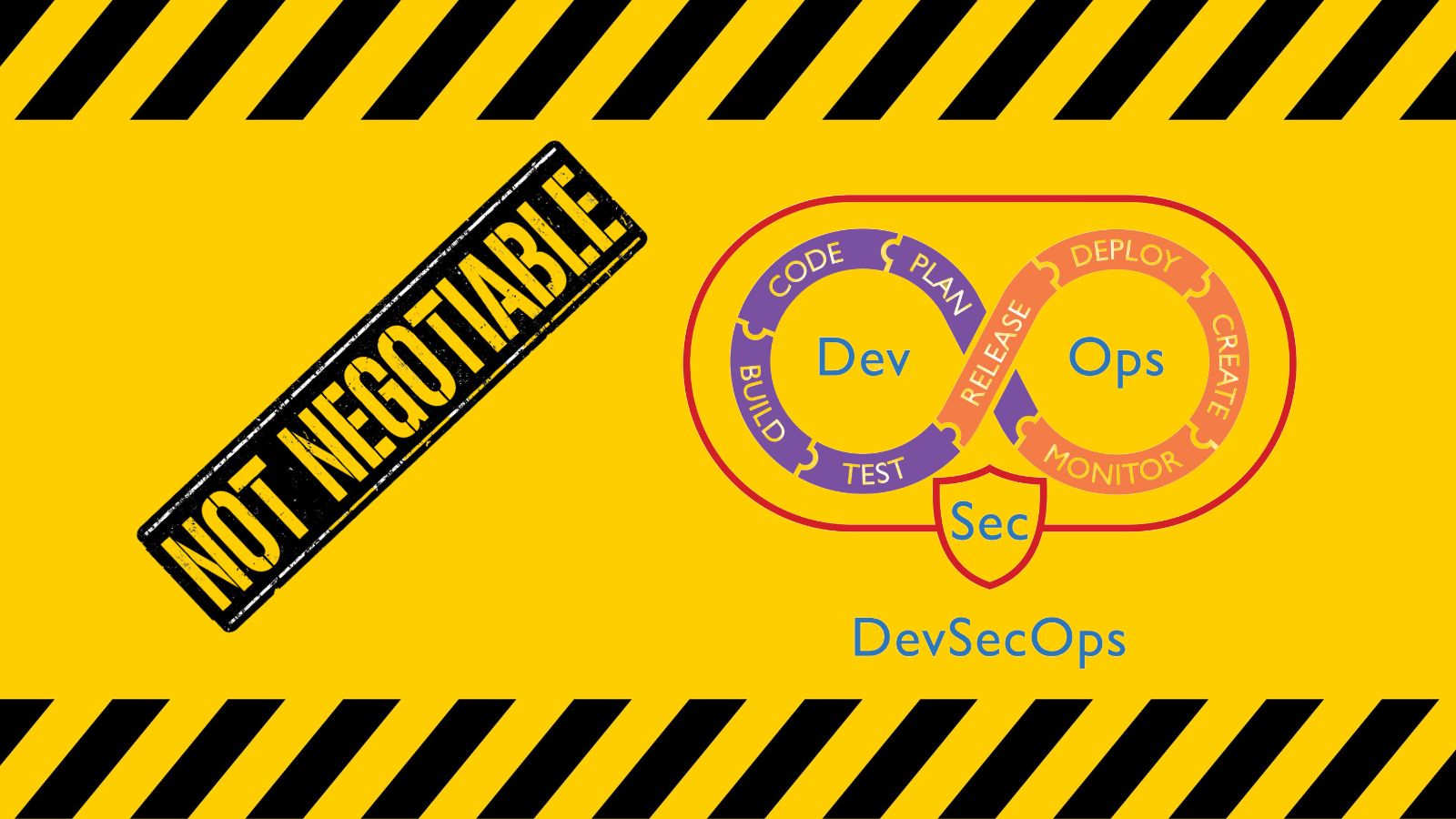
Avoid a Nightmare: 10 Important DevSecOps Practice Non-Negotiables
CIOs establish DevSevOps non-negotiables to shape organizational culture and governance, aimed at balancing development agility with security and operational stability. Key non-negotiables include balancing backlogs, defining user needs, ensuring security by design, standardizing production paths, fostering collaboration, reviewing software components, preventing shared access, prioritizing security training, continuous testing, and addressing team burnout.
-

Agile Solution Architecture: How to Empower Debates, Resolve Disputes, and Make Decisions
One problem leads to many solutions, which can drive architects, DevOps, and data science teams to debate and dispute platforms and architectures.
-

Breakthrough AI and DevOps Innovations: Insights from Pioneering CTOs
StarCIO shares their breakthrough innovations covering responsible AI, site reliability engineering, and DevOps scalability.
-

7 Ways Amazing Digital Trailblazers Can Market Their Team’s Success
7 ideas for Digital Trailblazers on marketing their team’s successes and reinforcing change management programs.