

Category: Future of Work
-

5 Ways SMBs Can Empower a Human-Centric Future of Work and Beat Competitors
In the genAI era, SMBs can leverage a human-centric strategy to outperform larger competitors. By embracing AI-driven customer experiences, enhancing employee retention through predictive analytics, and promoting effective use of AI, SMBs can navigate technology challenges more efficiently. Focus on people, flexible work models, and autonomy will drive their success.
-

My Top 2025 Books: Reads on Transformation, AI, and Mental Health
Isaac Sacolick reflects on his top 2025 books, highlighting reading experience on transformation, AI, and mental health. Books cover change management, scaling businesses, manufacturing, and AI leadership.
-
30+ AI Agents from Growing SaaS and Interesting Startups
Startups and growing SaaS, are developing AI agents that span chatbots, human-AI collaborations, and agentic AI automations. A comprehensive list categorizes these agents by industry and function, showcasing innovations that automate tasks across various sectors, such as finance, healthcare, and customer service, ultimately revolutionizing the workplace.
-
Under Fire! Provocative Lessons for CIOs to Transform IT in the AI Era
CIOs must adapt their digital operating model for this AI era. In the past week, major tech companies reported impressive revenue growth thanks to AI, yet significant job losses in white-collar sectors were noted as AI accelerates workforce changes. CIOs should be prioritizing an agile, product-focused approach while rethinking governance and collaboration across departments to…
-
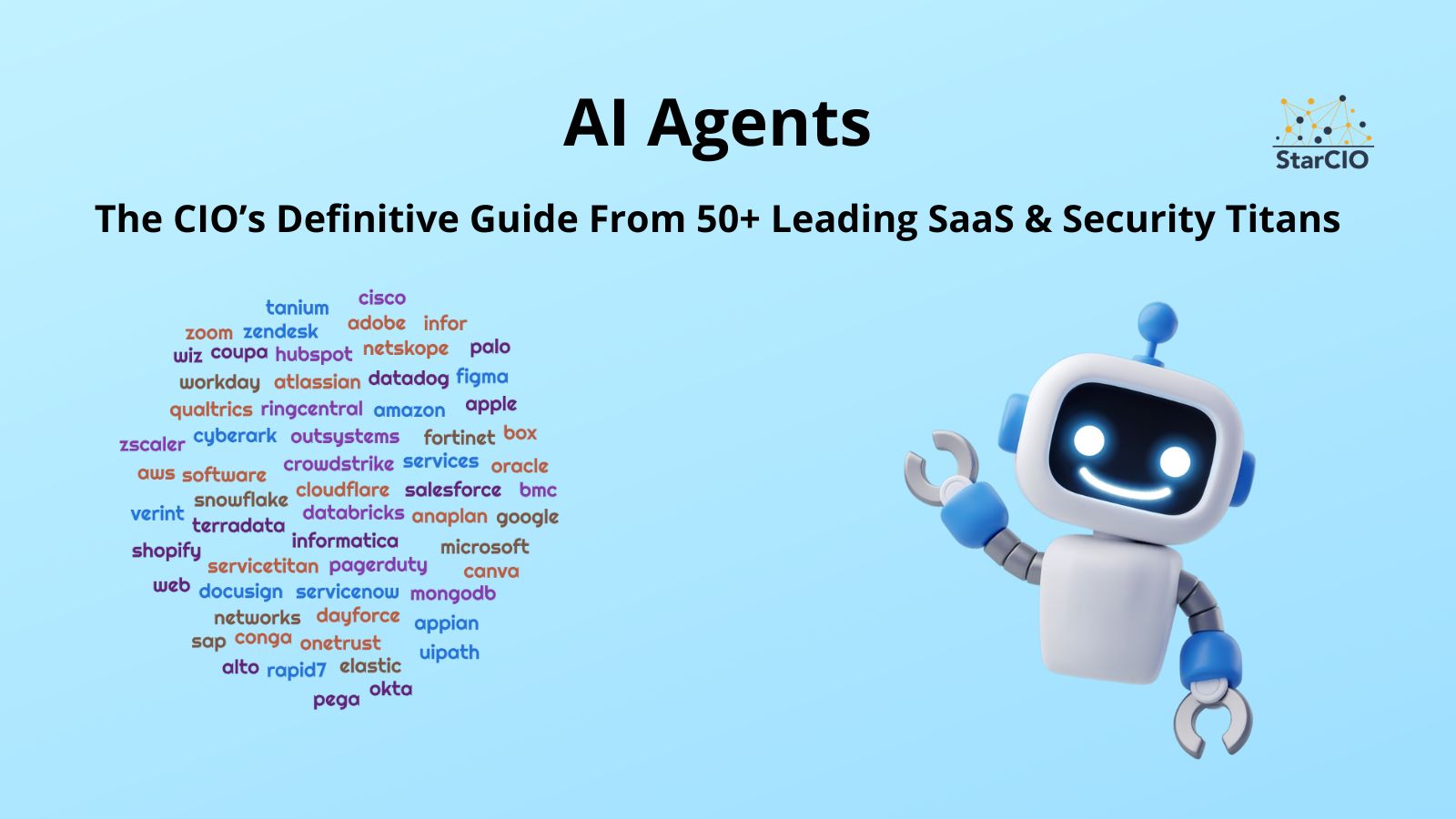
AI Agents: The CIO’s Definitive Guide From 50+ Leading SaaS & Security Titans
A comprehensive list of AI agents for CIOs from major tech and security firms exceeding $500M in ARR. It highlights the importance of differentiating between agentic AI and standard chatbots, while offering recommendations for CIOs on effectively integrating AI agents into existing workflows and governance strategies for optimal business outcomes.
-
7 Essential Principles for Creating Responsible and Trustworthy AI Agents
To create trustworthy and responsible AI agents, establish your development and design principles for your agile teams to follow. This involves using validated datasets, ensuring data quality, complying with regulations, and embedding safeguards. Enterprises are encouraged to collaborate with experts, engage end-users in the process, and focus on narrow, specific applications to maximize effectiveness and…
-
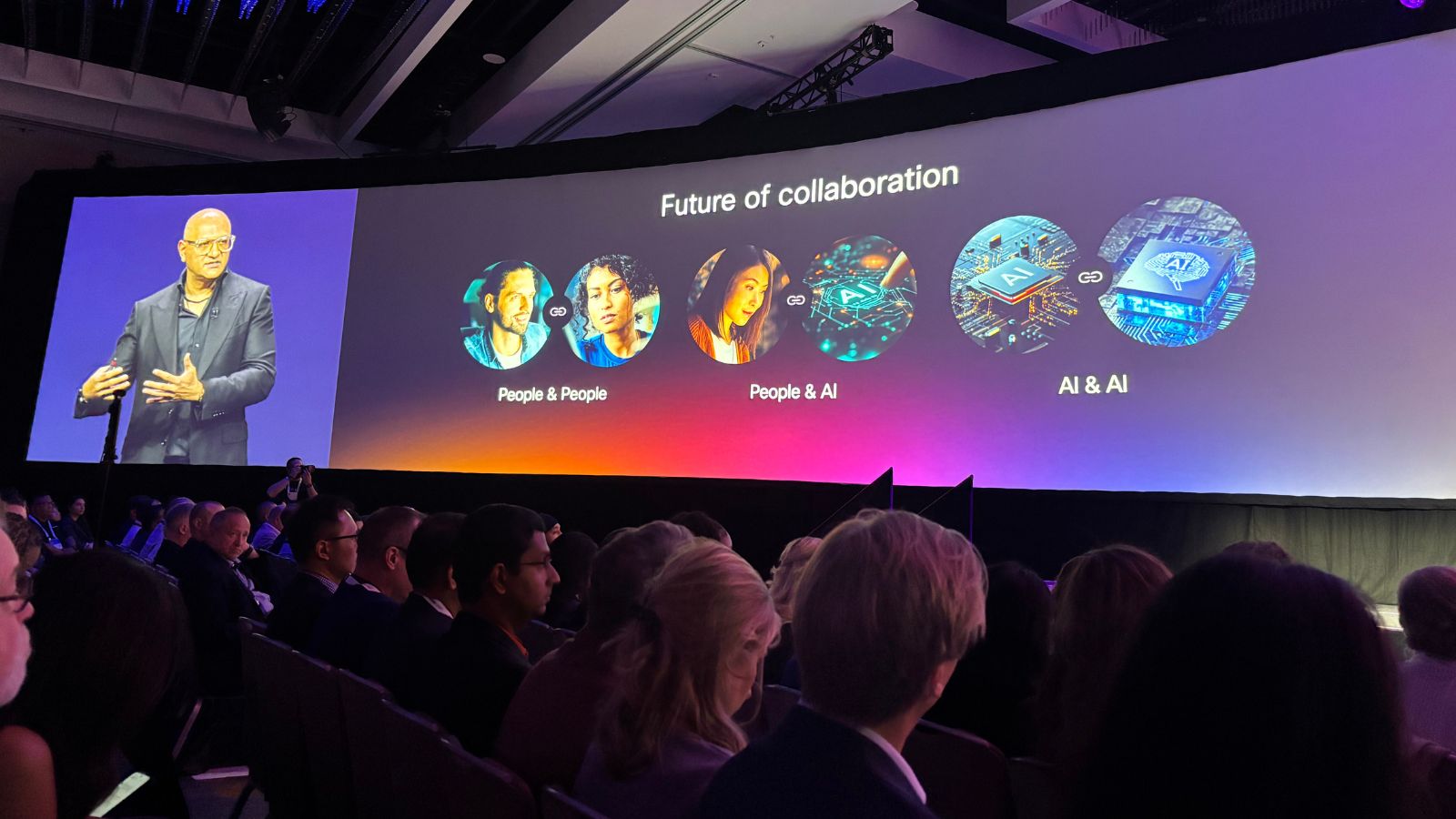
Cisco Webex’s Bold and Pragmatic AI Agents Driving the Future of Work
Cisco Webex emphasizes the transformative impact of AI agents on the future of work, particularly through its Webex Suite and Customer Experience platforms. Key partnerships with Zoom, Microsoft., and Salesforce. Innovations such as five AI Agents, AI Canvas, and AI Director . Cisco’s initiative demonstrates the potential for AI to revolutionize collaboration and customer service…
-

How Smarter Employees and Integrated AI Agents Will Team Up in the New Work Day
At Workday’s 20th anniversary event, CEO Carl Eschenbach emphasized the future of work as AI-driven and human-focused. Key executives discussed the importance of change management, AI literacy, and the integration of AI agents to drive operational benefits. Workday introduced innovative tools like Workday Build to support this transformative shift in businesses.
-
The Disastrous GenAI ROI Problem—And 3 Research-Backed Changes CIOs Must Lead
Generative AI is in the trough of disillusionment, with CIOs struggling to deliver genAI ROI from their investments.. Recommendations include focusing on change management, targeting growth opportunities, and fostering partnerships for effective AI implementation. Ensuring employee engagement and defining roles for success in the generative AI era are crucial for organizations.
-
Avoid Rogue AI Agents: How Top CIOs Can Govern the Emerging Agentic Ecosystem
CIOs face critical challenges in managing rogue AI agents emerging from various platforms, highlighting the need for comprehensive digital transformation strategy and AI governance. Experts emphasize the importance of unifying data controls, assessing agent types, and maintaining dynamic oversight to prevent chaos, while harnessing AI’s potential for innovation and efficiency across organizations.
-

SAP Bets Big on AI Agents—Should CIOs Follow?
At Sapphire 2025, SAP introduced 40 AI agents and a Business Data Cloud to address integration challenges for CIOs. Emphasizing productivity, SAP aims for strategic AI investments for decision-making in rapid data environments, asserting the end of traditional best-of-breed application and integration approaches.
-

Is Now the Time for the CIO to Fully Embrace Virtual Desktops?
The future of end-user computing (EUC) envisions reliance on cloud services for all computing needs, managed centrally and securely. Changes led by Microsoft and Nerdio highlight virtual desktops enhancing employee experience and reducing costs. Transitioning to virtual desktops allows CIOs to rethink device necessity, making the shift inevitable in the evolving work landscape.