

Category: Digital Workplace and Culture
-
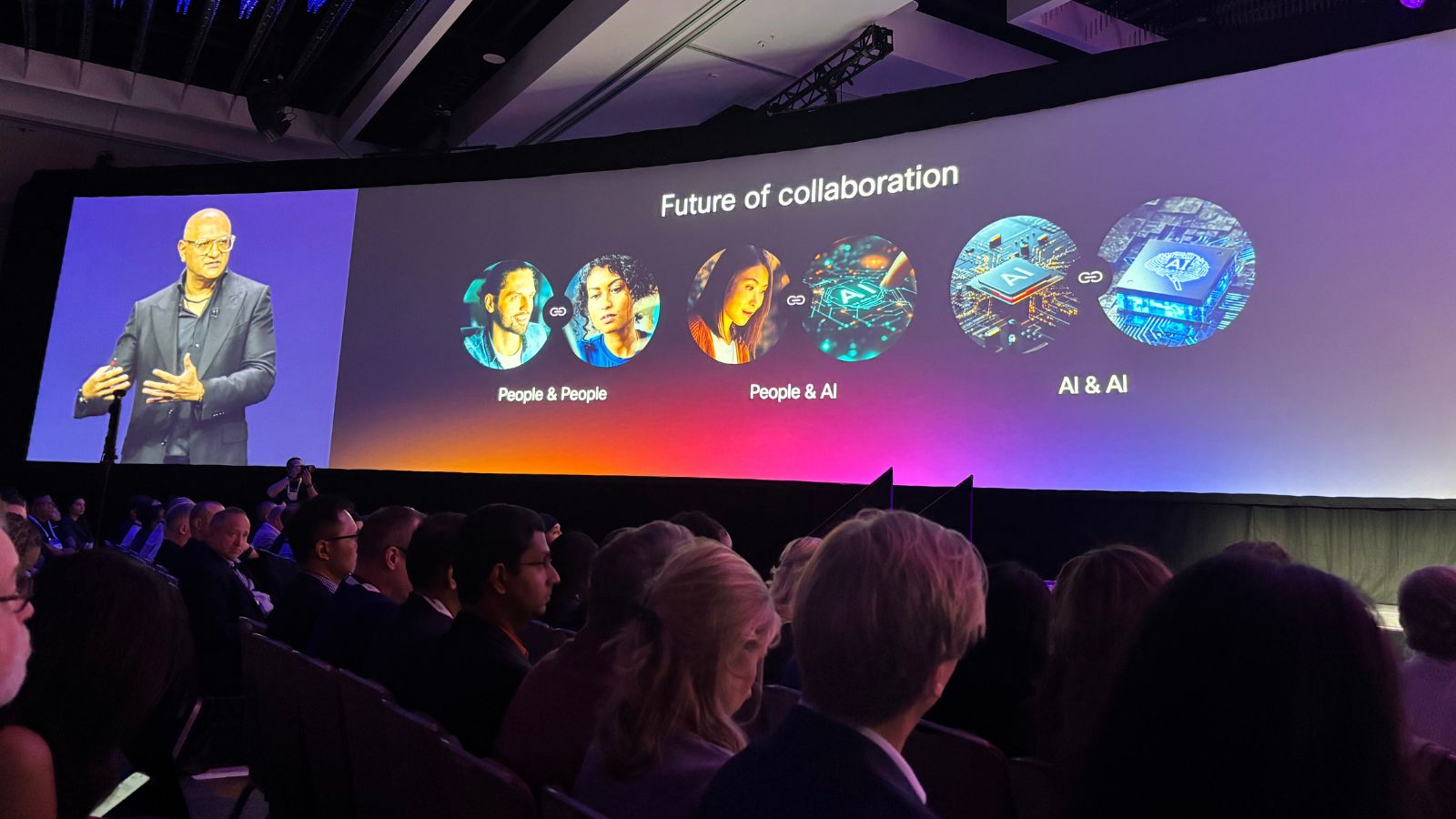
Cisco Webex’s Bold and Pragmatic AI Agents Driving the Future of Work
Cisco Webex emphasizes the transformative impact of AI agents on the future of work, particularly through its Webex Suite and Customer Experience platforms. Key partnerships with Zoom, Microsoft., and Salesforce. Innovations such as five AI Agents, AI Canvas, and AI Director . Cisco’s initiative demonstrates the potential for AI to revolutionize collaboration and customer service…
-

Culture Change: 4 Ways to Overcome Tribal Knowledge and Inspire Developing Expertise
Organizations encounter knowledge-sharing issues, often resulting in tribal knowledge and outdated processes. Digital leaders advocate for cultural change, emphasizing expertise sharing to enhance innovation and efficiency. Solutions include dynamic management practices, centralized documentation, AI integration, and incentivizing knowledge sharing. Leaders must prioritize community over documentation for sustained growth.
-

How Smarter Employees and Integrated AI Agents Will Team Up in the New Work Day
At Workday’s 20th anniversary event, CEO Carl Eschenbach emphasized the future of work as AI-driven and human-focused. Key executives discussed the importance of change management, AI literacy, and the integration of AI agents to drive operational benefits. Workday introduced innovative tools like Workday Build to support this transformative shift in businesses.
-
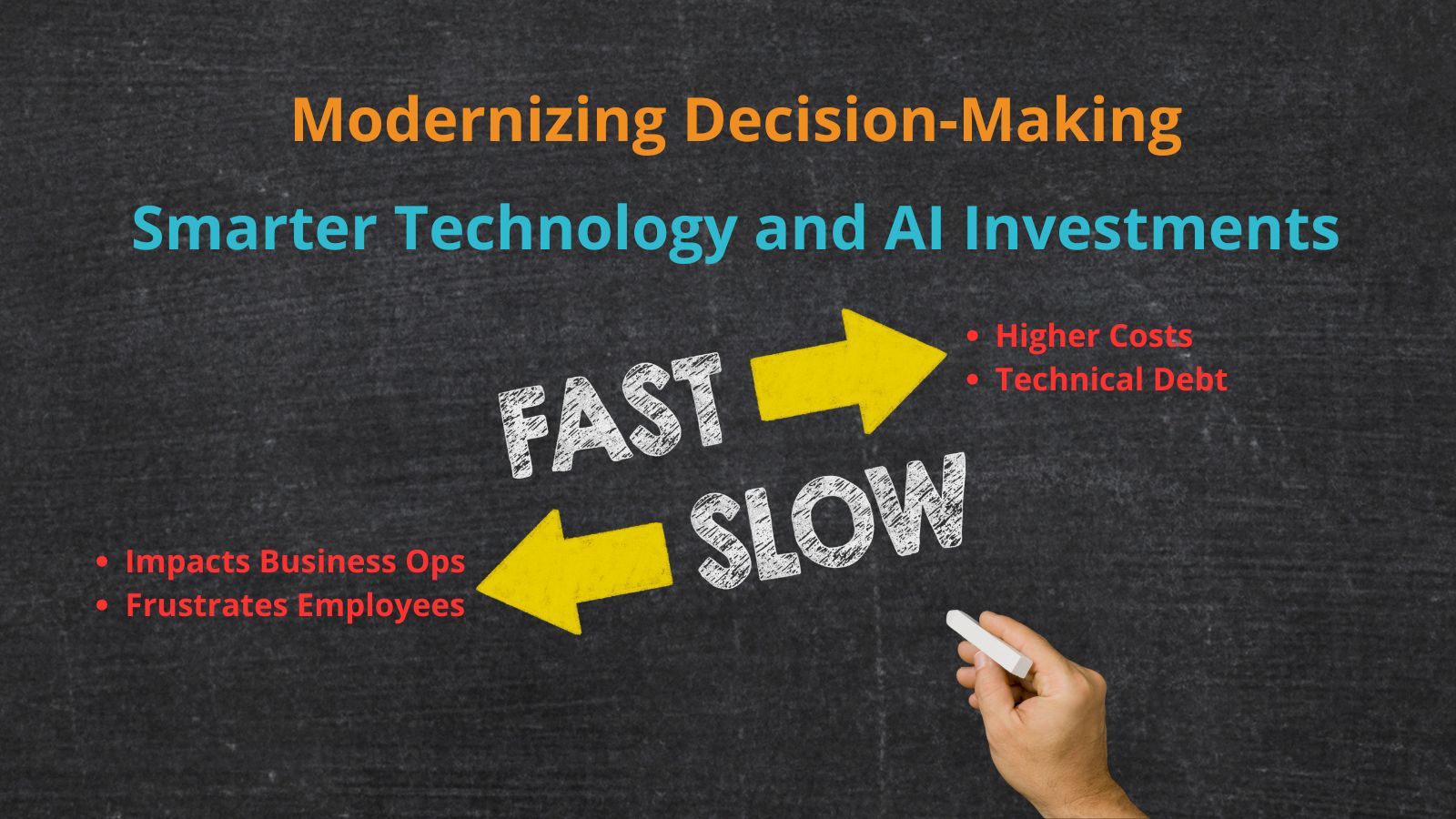
Modernizing How to Make Smarter Technology and AI Investments
Organizations need to reevaluate their technology and AI investment processes to avoid slow consensus or impulsive procurement. CIOs should focus on outcomes over features, ensuring alignment with business goals and security. Streamlining evaluation and procurement phases will aid effective technology selections, supporting agile testing and integration for transformative results.
-
The Disastrous GenAI ROI Problem—And 3 Research-Backed Changes CIOs Must Lead
Generative AI is in the trough of disillusionment, with CIOs struggling to deliver genAI ROI from their investments.. Recommendations include focusing on change management, targeting growth opportunities, and fostering partnerships for effective AI implementation. Ensuring employee engagement and defining roles for success in the generative AI era are crucial for organizations.
-
Avoid Rogue AI Agents: How Top CIOs Can Govern the Emerging Agentic Ecosystem
CIOs face critical challenges in managing rogue AI agents emerging from various platforms, highlighting the need for comprehensive digital transformation strategy and AI governance. Experts emphasize the importance of unifying data controls, assessing agent types, and maintaining dynamic oversight to prevent chaos, while harnessing AI’s potential for innovation and efficiency across organizations.
-

3 Hidden Workarounds Killing Productivity And How to Spot The Manual Work
Organizations often struggle with gray work—unstructured, manual tasks that hinder productivity. Employees face inefficiencies due to data movement between systems and lack of integrated tools. As software investments rise, many feel overwhelmed, emphasizing the need for dynamic work management solutions. Identifying gray work areas can lead to more efficient workflows and decision-making.
-

How My Breakthrough Course Will Empower Digital Transformation Leaders in the AI Era
Digital transformation is now more crucial than ever in the AI era, shifting from a project mindset to an ongoing strategy for organizations. The introduction of AI enhances the need for continuous evolution in business operations, with leadership programs focusing on integrating AI, facilitating culture change, and tracking meaningful outcomes.
-

How to Kill Floundering Experiments and Drive an AI Learning Culture
The low success rate of AI and ML experiments, typically around 30%, often reflects a narrow focus on production deployment. Effective experimentation prioritizes an AI learning culture, value demonstration, and agile delivery methods. Best practices include setting clear success criteria, regular reviews, centralized documentation, and rewarding knowledge sharing to foster an agile AI learning culture.
-
From SaaS Sprawl to AI Strategy: How CIOs Consolidate and Gain Agility
SaaS sprawl and gray work significantly hinders productivity and collaboration, particularly in sectors like construction and manufacturing. Midsize organizations average 61 SaaS applications, with larger firms using about 200. CIOs are urged to audit their app inventory, reduce redundancy, and invest in low-code platforms to streamline operations and enhance digital transformation efforts.
-

SAP Bets Big on AI Agents—Should CIOs Follow?
At Sapphire 2025, SAP introduced 40 AI agents and a Business Data Cloud to address integration challenges for CIOs. Emphasizing productivity, SAP aims for strategic AI investments for decision-making in rapid data environments, asserting the end of traditional best-of-breed application and integration approaches.
-

How Appian is Inspiring with AI Agents and Transforming Low-Code App Development
The future of low-code app development is evolving with AI code generators, enabling easier, sophisticated, and scalable app creation. Appian emphasizes collaboration with AI agents to develop proprietary processes. Their AI-driven Appian Composer facilitates iterative app design, focusing on outcomes through value-based storytelling, enhancing customer experience and digital transformation.