

Technology, digital, and data organizations focus on delivering business impacts by improving customer experiences, increasing deployment frequencies, developing machine learning models, and meeting service level objectives. It’s a significant effort to align priorities, agree on methodologies, and deliver capabilities that meet customer and business stakeholder expectations.

Surrounding and enabling all the technical and collaboration activities are management practices that often play second fiddle to technical activities. One of these key practices is communications, and I find that it’s only the larger enterprises that have IT communication practices in place – and often because they can afford people with marketing and communication skills to own these responsibilities.
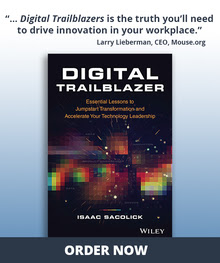
Having a communication strategy can be the first line of offense and defense for tech, data, and digital teams who are under pressure to always deliver more today than they did the day before. Having a communication strategy in place and executing to it saved my butt many times, and I tell several of these stories in my upcoming book, Digital Trailblazer.
What is meaningful communication for IT, data science, and digital orgs?
In this week’s 5 Minutes with @NYIke episode, I share Five Key Communication Practices in Digital Transformation and include four common mistakes. You can find the episode embedded at the end of this post, and I hope you’ll watch it.
In the video, I share the common communication focus areas for tech, digital, and data departments, including communications around releases and incident management. But developing a communication strategy should focus less on the what and more on the who and why. Below are my five steps to creating a meaningful communication strategy – meaningful in the sense that the audience consumes, cares, and responds to your communications.
What are the steps to create a meaningful communication strategy?

Even the smallest of departments should build a communications strategy, and here are the five steps to get started.
1. Identify who are your audiences
Your audiences should include:
- Executives who want to see KPI, OKRs, and other business-impacting information
- Teams and people who consume technology, digital, and data services – broken down by business services and workflows
- Teammates and stakeholders who often seek more detailed and frequent communications
2. Establish your audiences’ informational needs
The best way to do this is to interview them! Determine what information, when to deliver it, and which communication formats are easiest for them to use. Take this feedback as stakeholder requirements, but recognize and expect conflicting information and requests that are hard to fulfill. Act as an agile product owner and determine the priorities and key requirements.
3. Select optimal communication tools and formats
Communications don’t have to be manually created emails, documents, presentations, or videos. Think about using tech to automate the communications, including BI dashboards, reports, and alerts. You’ll want to make sure that machine-generated communications are easy to consume with titles, descriptions, and meaningfully-labeled charts. Select tools with the options to annotate and highlight what audiences should pay attention to and where they can infer insights.
4. Determine communication cadences
Once you have formats, now it’s time to determine when to send out communications. Some will be event-triggered like incidents, but even these communications should update audiences regularly. At what frequency? Well, that depends on audience needs, but it’s important to set expectations.
For scheduled communications, time them for when audiences are more likely to consume them. What day of the week and time of day? Also, consider aligning the communications to business schedules, such as sending agile program portfolio updates days before strategic leadership team meetings.
5. Create feedback mechanisms that foster meaningful relationships
Communications should be two-way, so anytime you define a communication asset and schedule, consider how you’ll measure consumption and ask for feedback. If consumption is low, think through improvements and changes. If you’re not getting feedback, then ask for it and use the opportunity to develop stronger relationships.
There’s a lot more in this week’s video!












Leave a Reply